
A Walking-Shoe Checklist for Everyday Errands
A Walking-Shoe Checklist for Everyday Errands. Practical fit checks, outfit decisions and buying advice for everyday life.
Shopping disclosure: retailer links in this story are ordinary links; we currently earn no commissions. If we add affiliate links in future, they will be identified. Our full disclosure.

Everyday walking shoes travel through grocery aisles, station corridors and neighborhood pavements, often while you carry a bag. They may receive more use than footwear bought for an occasion. Begin with the route and duration of a normal day. Indoor errands, a longer commute and uneven park paths ask different things of shoes. Appearance can guide a shortlist, but fit needs the final say.
Try with your real socks
Thin and thick socks can change heel hold and space across the foot. Try the pair you expect to use, check both feet and walk rather than evaluating only while seated. Notice toe pressure, heel rubbing and whether you grip with your toes to keep the shoe in place. A quick slip-on shape is less convenient if it moves around each time you step.
Give the fastening a proper trial. Laces allow adjustment along the shoe, while another closure may be faster during a busy morning. Choose what feels secure and suits your routine. Easy entry does not always mean easy adjustment. Imagine fastening the shoe while dealing with the bag and outerwear you normally carry. An awkward daily task can matter more than a fashionable detail.
Consider the complete journey
Read the manufacturer’s intended-use guidance. An athletic appearance does not establish suitability for every activity. Tread visible in a photograph cannot prove grip in rain, and a thick sole does not guarantee comfort. Images help with color and outline but cannot establish the feeling on your foot or performance on a particular surface.
After comfort, check clothing compatibility. Wear the shoes with your usual trousers and observe the hem. Sole height can affect whether fabric clears the ground. If the pair works with only one outfit, decide whether that limitation is acceptable. A color you enjoy can still feel versatile when it repeats an accessory or top. White sneakers are an option rather than a requirement.
Compare the proposed purchase with a familiar pair that already feels good. Note what you hope to improve: secure fastening, more appropriate coverage for the route or a shape working better with trousers. If the current shoes have worn down, review their condition rather than relying on habit alone. Care for either pair according to its instructions. A shoe checklist is most useful when it supports a specific decision, rather than making every feature sound essential.
Compare the options for your day
| Situation | Starting point | Tradeoff |
|---|---|---|
| Indoor errands | Familiar comfortable fit | Check the outdoor route too |
| Longer commute | Secure fastening and toe room | Looks cannot predict comfort |
| Mixed paths | Footwear intended for the conditions | Follow product guidance |
A useful buying brief
Before browsing, focus on toe space, secure heel hold, sock compatibility and intended-use guidance. Make that your shortlist rather than trying to replace every piece in an outfit. Photograph two combinations from your wardrobe and compare the prospective addition with those real clothes. If a purchase requires several other purchases before it becomes useful, pause and reconsider the job it is supposed to do. A good choice should reduce friction in an ordinary day.
For tops, Everlane’s tee collection and UNIQLO’s shirts and blouses offer browsing starting points. Check the specific garment’s measurements, composition, care and current return terms. These are ordinary retailer links; the photographs illustrate scenes and do not identify pictured garments as products from those stores. For shoes and bags, use the same practical checklist wherever you usually shop.
Start with what is already in the wardrobe
Try a comfortable existing pair cleaned and checked for wear. Put the complete outfit together, including the shoes, outer layer and bag you intend to use. Sit, reach and walk rather than relying on a standing mirror check. Notice the piece you keep adjusting. That observation creates a useful shopping brief: a different sleeve, a more comfortable waistband or a better strap may solve the problem without an entirely new outfit.
Consider care as part of the cost. Read the instructions before deciding that a piece suits everyday wear. A garment that requires a routine you dislike may be worn less often than a simpler alternative. If your existing clothes already perform the job comfortably, repeating them is a worthwhile result. Buying advice should help you decide whether to purchase as well as what to purchase.
Common questions
Should discomfort disappear with break-in?
Do not depend on break-in to fix pressure or poor fit. Evaluate within return rules and reconsider a pair that feels wrong.
Can one pair cover everything?
It may suit several ordinary routines, but specialist activities or conditions can need different footwear. Follow the product guidance.
Keep reading
School Run Style and Straight Jeans Fit offer more ways to make familiar pieces work together.
A little more to adore
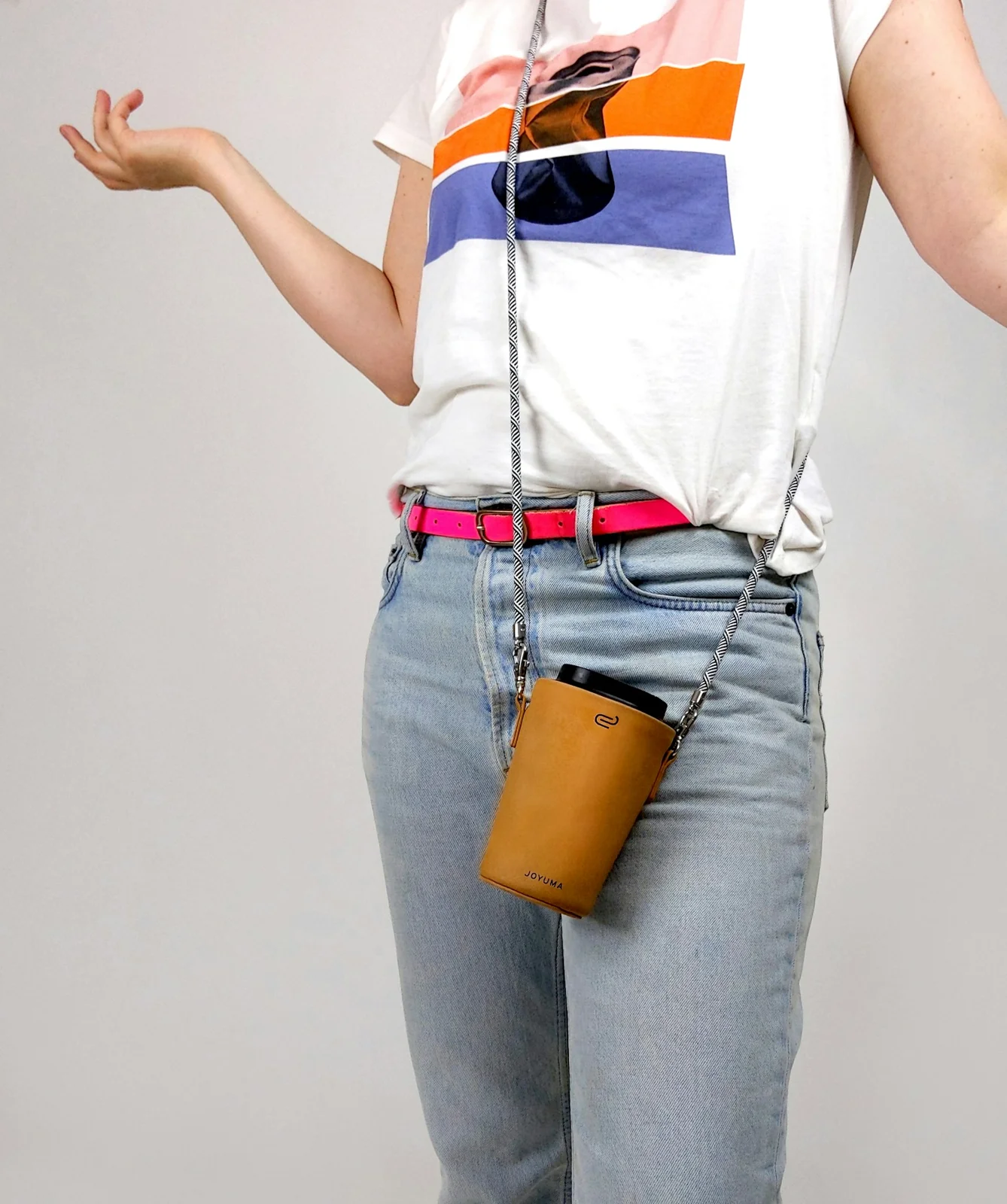
How to Choose a Cotton Tee You Will Actually Repeat
How to Choose a Cotton Tee You Will Actually Repeat. Practical fit checks, outfit decisions and buying advice for everyday life.
Read the story →
An Everyday Cardigan That Works With Your Existing Tops
An Everyday Cardigan That Works With Your Existing Tops. Practical fit checks, outfit decisions and buying advice for everyday life.
Read the story →