
Give an Alteration Question Its Actual Outfit Context
Explain an alteration question through the actual garment and accompanying outfit, keeping a proposed change separate from the professional assessment needed to establish it.
Shopping disclosure: links within this story are ordinary retailer links. Separately identified advertisements elsewhere on the page may contain affiliate links. Our full disclosure.

An alteration question is clearer when it includes the actual outfit in which the garment will be worn. A trouser hem, sleeve or neckline may look different beside the intended shoe, underlayer or jacket. Bring that context to the professional's assessment rather than presenting a proposed change as already settled. The aim is to explain what you notice and what you want to use the garment for.
Describe the wearing situation
Name the relevant ordinary action or outfit role. You might be concerned about a sleeve during a seated meal or a hem with the shoe you intend to wear. Keep the description factual and separate from a guessed technical solution.
Avoid explaining the issue through a general rule about a body type. A petite, regular or other size label does not replace looking at the actual garment and circumstances. The professional needs the specific question, not a promise that one standard change works for everyone.
Identify the accompanying pieces
Ask the provider which items and information would be useful for the assessment. A shoe, an intended underlayer or another garment may supply relevant context, but the process belongs to the actual provider. Do not assume every service accepts the same remote images or fitting arrangement.
Use the actual pieces where appropriate and permitted. If a substitute is necessary, explain it clearly rather than letting the assessment proceed as though the original outfit were present. A difference hidden at this stage can make the eventual decision harder to understand.
Keep measurements properly labelled
Follow the provider's definitions and method for any requested information. Body measurements, garment dimensions and a desired finished result have different roles. The measurement-reference guide helps keep them distinguishable instead of combining several numbers under one vague label.
Do not infer precise dimensions from a photograph or copy a method intended for another product. If a measurement or technical question matters and is unclear, establish it through the appropriate source before relying on the result.
Leave the proposed alteration open to assessment
Explain what you hope will change without assuming the work is possible or appropriate. Keep product composition and care information connected to the garment where relevant. The clothing composition note guide helps preserve an actual reference rather than a guess based on touch or appearance.
Do not cut, pin or otherwise alter the item through an improvised demonstration. Use the professional's process and appropriate guidance for any physical assessment. This article does not prescribe an alteration technique or promise an outcome.
Record what was actually agreed
Keep the confirmed scope and any open condition clear. A conversation about possibilities is different from a settled instruction to carry out work. If a detail changes, make that change explicit before the next step.
The useful enquiry leaves you and the provider discussing the same garment, outfit and purpose. It may lead to work, another fitting or a decision to leave the item unchanged. Any of those is a clearer result than treating an attractive idea as a technical solution the garment must somehow accommodate.
A little more to adore
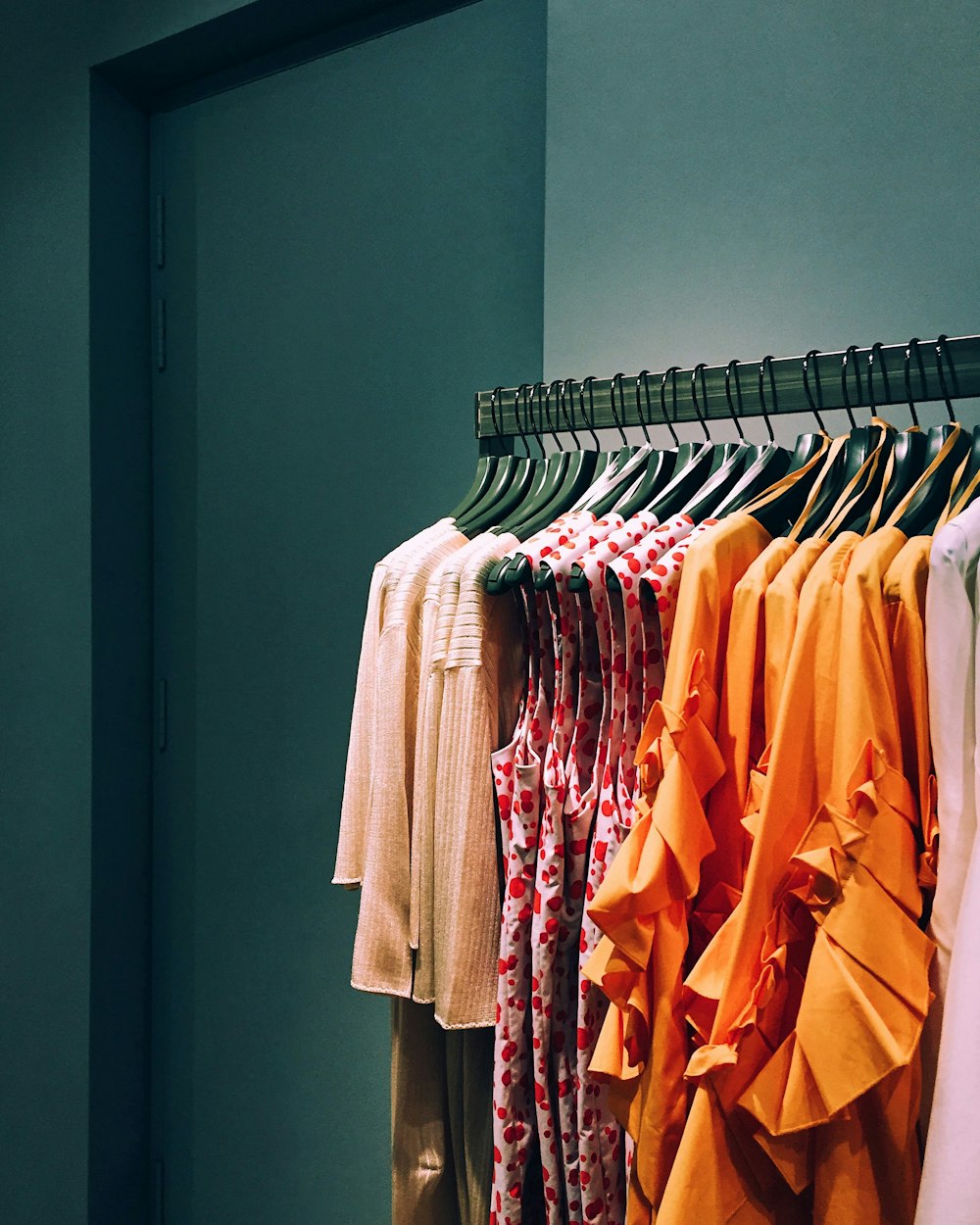
Record Clothing Composition Before a Considered Purchase
Recording a garment's stated composition before a considered purchase gives you something more useful than a memory of how the fabric felt in a shop. The note can help compare
Read the story →
How to Choose a Cotton Tee You Will Actually Repeat
How to Choose a Cotton Tee You Will Actually Repeat. Practical fit checks, outfit decisions and buying advice for everyday life.
Read the story →