
School-Run Style for a Morning With No Spare Hands
School-Run Style for a Morning With No Spare Hands. Practical fit checks, outfit decisions and buying advice for everyday life.
Shopping disclosure: retailer links in this story are ordinary links; we currently earn no commissions. If we add affiliate links in future, they will be identified. Our full disclosure.

A school-run outfit begins with movement. You may be carrying a backpack, fastening a coat, leaning into a car or walking beside someone with a different idea of a steady pace. The useful question is whether your clothes let you do those things comfortably. Looking considered can come from a repeated formula rather than extra details that demand attention during a busy morning.
Comfortable trousers, simple top, secure shoes
Begin with jeans or trousers that allow bending and sitting. A straight leg offers room without a very wide hem, but the actual fit matters more than the label. Check the length with your usual shoes. Fabric dragging on damp pavement needs more care than a hem clearing the ground. If you prefer leggings, use the pair you already trust and choose a top length you enjoy.
A button shirt over a tee creates a removable layer once the morning warms up. The collar provides shape without requiring a necklace or scarf. A sweatshirt is a softer alternative, although a bulky hood can feel awkward under a coat or behind your neck in the car. Try the layers together rather than assuming individually comfortable pieces will stay comfortable in combination.
Shoes should remain secure when you turn quickly or step off a curb. Familiar sneakers or firmly fitting flats are useful starting points. A slipping heel can create more distraction than a decorative detail is worth. A short car trip and a long hilly walking route call for different choices. Photographs cannot tell you how footwear will fit your own feet.
Give essentials a predictable place
A small crossbody frees your hands, while a tote has space for items that accumulate during the morning. Choose according to the things you routinely carry. Give keys and phone a reliable pocket or pouch rather than overloading your clothing pockets. One accessible compartment often helps more than many sections you will not use.
Before leaving, check the complete outfit while carrying the bag and wearing the coat. A strap that works over a tee may become tight over thick outerwear. An open shirt can flap in wind; fastening one button might solve that without adding another garment. These small adjustments make a repeatable morning outfit easier to use.
Compare the options for your day
| Situation | Starting point | Tradeoff |
|---|---|---|
| Walking route | Secure shoes and a clearing hem | Decorative footwear may be less useful |
| Driving and errands | Soft layer and comfortable trousers | Check seated fit |
| Wet path | Rain layer over a simple base | Plan space for damp outerwear |
A useful buying brief
Before browsing, focus on hem clearance, bending room and layers that do not bunch in the car. Make that your shortlist rather than trying to replace every piece in an outfit. Photograph two combinations from your wardrobe and compare the prospective addition with those real clothes. If a purchase requires several other purchases before it becomes useful, pause and reconsider the job it is supposed to do. A good choice should reduce friction in an ordinary day.
For tops, Everlane’s tee collection and UNIQLO’s shirts and blouses offer browsing starting points. Check the specific garment’s measurements, composition, care and current return terms. These are ordinary retailer links; the photographs illustrate scenes and do not identify pictured garments as products from those stores. For shoes and bags, use the same practical checklist wherever you usually shop.
Start with what is already in the wardrobe
Try a familiar sweatshirt with your most comfortable everyday trousers. Put the complete outfit together, including the shoes, outer layer and bag you intend to use. Sit, reach and walk rather than relying on a standing mirror check. Notice the piece you keep adjusting. That observation creates a useful shopping brief: a different sleeve, a more comfortable waistband or a better strap may solve the problem without an entirely new outfit.
Consider care as part of the cost. Read the instructions before deciding that a piece suits everyday wear. A garment that requires a routine you dislike may be worn less often than a simpler alternative. If your existing clothes already perform the job comfortably, repeating them is a worthwhile result. Buying advice should help you decide whether to purchase as well as what to purchase.
Common questions
Can a dress work?
Yes, if its length and neckline allow comfortable bending. Try it with the shoes and coat you intend to wear.
Is a capsule wardrobe necessary?
No. Begin with one repeatable outfit and change the piece that causes difficulty. A workable formula saves morning decisions.
Keep reading
Walking Shoes Checklist and Rainy Day Dressing offer more ways to make familiar pieces work together.
A little more to adore
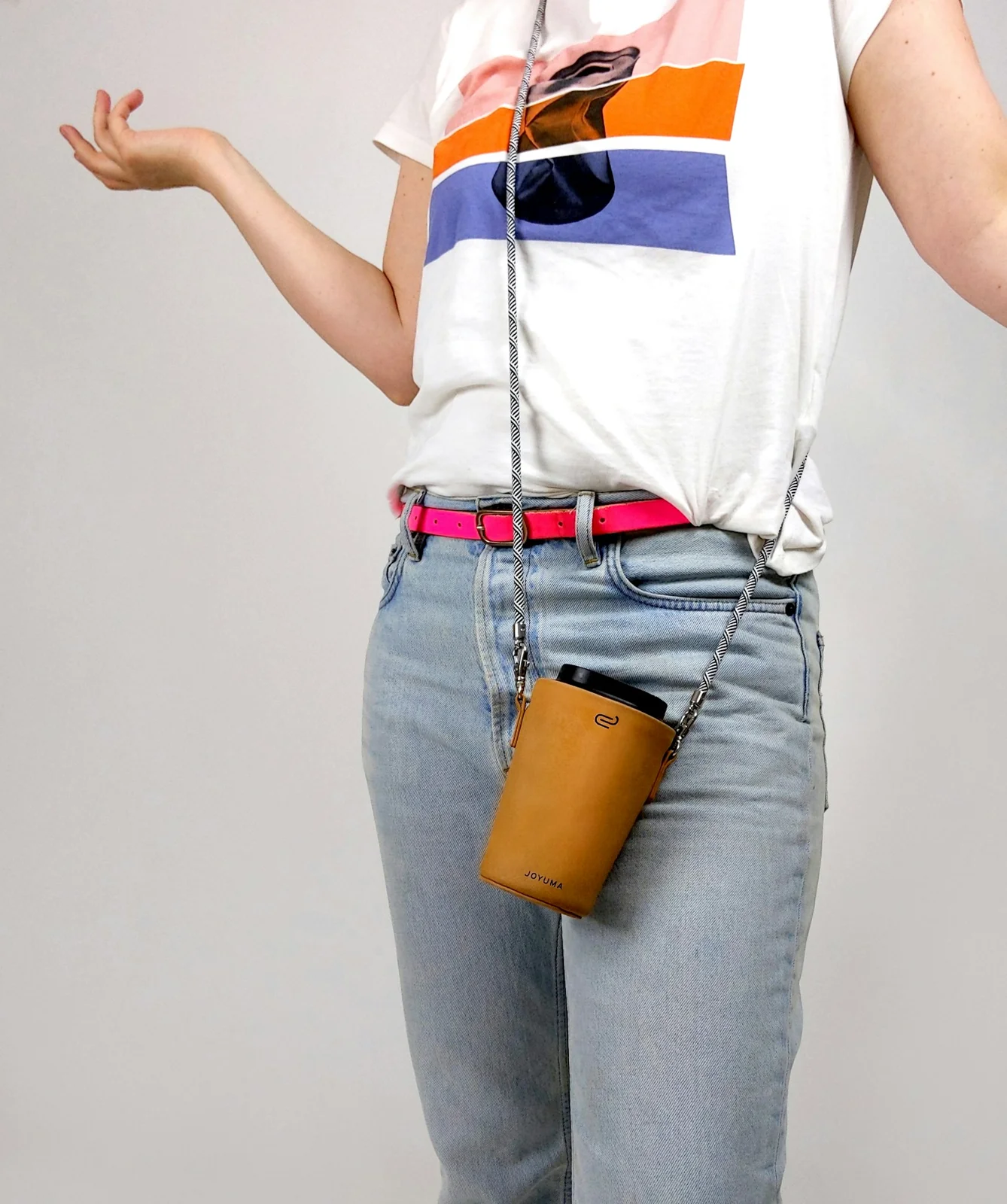
A Coffee-Run Outfit That Can Handle the Rest of Your Morning
A Coffee-Run Outfit That Can Handle the Rest of Your Morning. Practical fit checks, outfit decisions and buying advice for everyday life.
Read the story →
Rainy-Day Dressing Without a Wardrobe Overhaul
Rainy-Day Dressing Without a Wardrobe Overhaul. Practical fit checks, outfit decisions and buying advice for everyday life.
Read the story →