
Record Clothing Composition Before a Considered Purchase
Recording a garment's stated composition before a considered purchase gives you something more useful than a memory of how the fabric felt in a shop. The note can help compare
Shopping disclosure: retailer links in this story are ordinary links; we currently earn no commissions. If we add affiliate links in future, they will be identified. Our full disclosure.
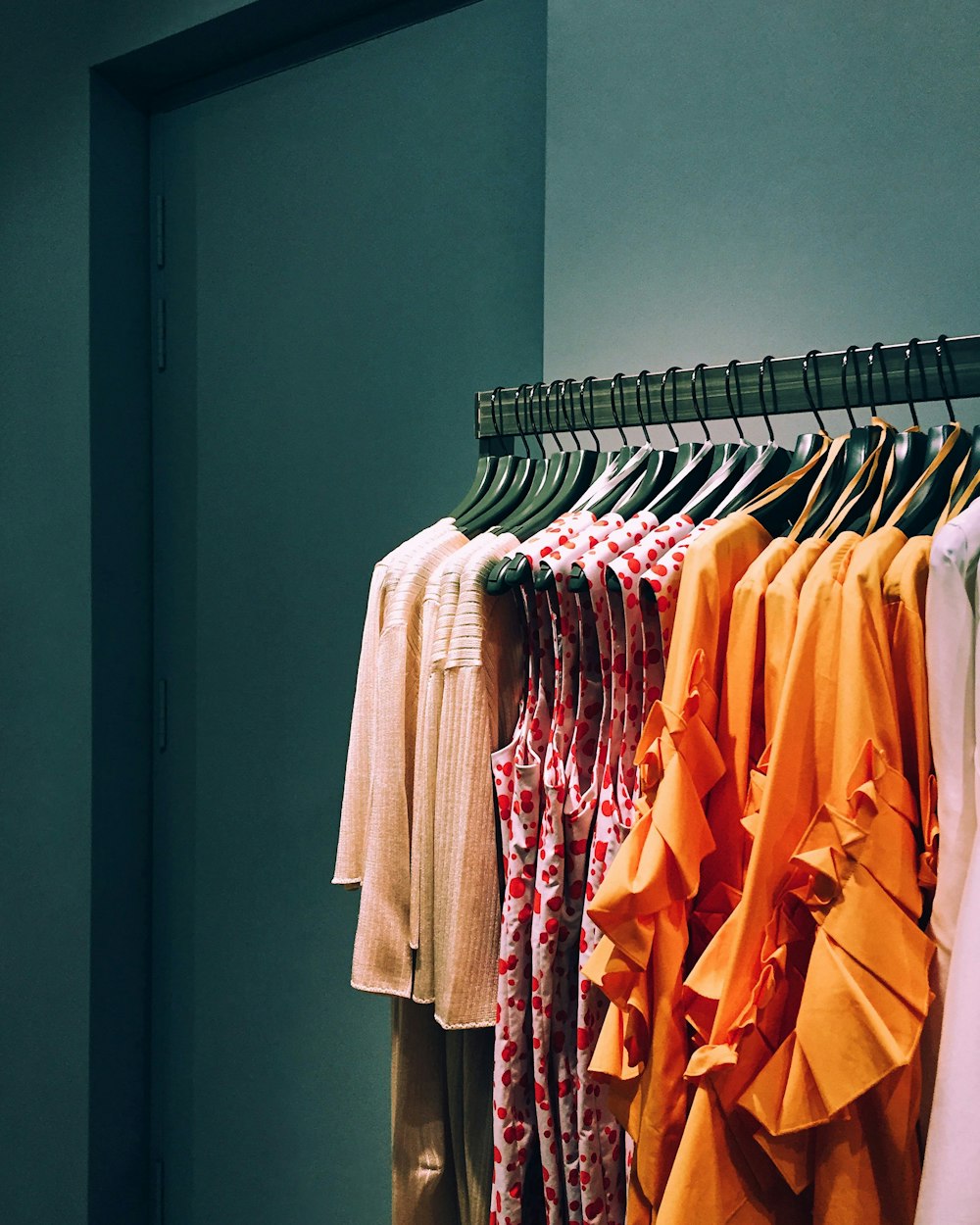
Recording a garment's stated composition before a considered purchase gives you something more useful than a memory of how the fabric felt in a shop. The note can help compare the piece with clothes you already use and care for. It should preserve accurate information while leaving space for the other details that determine whether the garment suits you.
Read the actual product information
Check the garment label and the seller's relevant description, including distinctions between main fabric, lining and other components where provided. Do not translate a soft or textured feel into a confident material identification. If the information is missing or inconsistent, ask the seller rather than filling the gap yourself.
The cotton tee guide offers related questions for an everyday garment. A familiar material name can be part of the decision, but it does not establish that every item carrying that name will fit or behave like your existing favourite.
Keep the note specific to the piece
Record the product name or reference alongside the composition so that the information remains connected to the correct garment. If taking a photograph is permitted, make sure the label is readable and unrelated people or private details are absent. A blurred image is not a reliable substitute for a clear written note.
Avoid recording an approximate percentage when the actual figure is available. Distinguish information stated by the maker from your own impressions, such as the surface feeling smooth or the fabric appearing substantial. Those observations can both be useful without pretending to be the same kind of evidence.
Include care and construction questions
Read the care information alongside the composition. A material preference does not remove the need to consider the complete garment's requirements. Trims, lining and construction can affect the practical routine, so do not choose a cleaning method from the fibre name alone.
The dress care before purchase guide helps connect that information to ordinary use. Ask whether you can realistically follow the stated requirements rather than assuming you will adopt a new care habit simply because the garment looks appealing.
Compare with a useful existing example
Look at a similar piece you already own, checking its actual label rather than relying on memory. Note what you like or dislike about wearing and caring for it. Treat that comparison as personal experience with one garment, not proof that every piece with similar composition will produce the same result.
Bring fit, construction, intended use and return terms back into the purchase decision. A composition note is a tool for asking better questions; it should not become a reason to ignore an uncomfortable seam or an unsuitable size. If important information remains unclear, keep the decision open until the seller can provide a useful answer. The result is a more informed comparison, even when you decide to leave the garment in the shop.
A little more to adore

How to Choose a Cotton Tee You Will Actually Repeat
How to Choose a Cotton Tee You Will Actually Repeat. Practical fit checks, outfit decisions and buying advice for everyday life.
Read the story →
Read a Dress's Care Before Choosing the Occasion
Read a dress’s care before choosing an occasion, checking complete construction, cleaning requirements, seated comfort, appropriate transport, storage, and realistic effort.
Read the story →