
Check a Sock Cuff Through the Trouser Opening
A sock cuff and trouser opening meet in a small area that changes as you sit and walk. Checking them together can make an ordinary outfit feel more considered without creating
Shopping disclosure: retailer links in this story are ordinary links; we currently earn no commissions. If we add affiliate links in future, they will be identified. Our full disclosure.
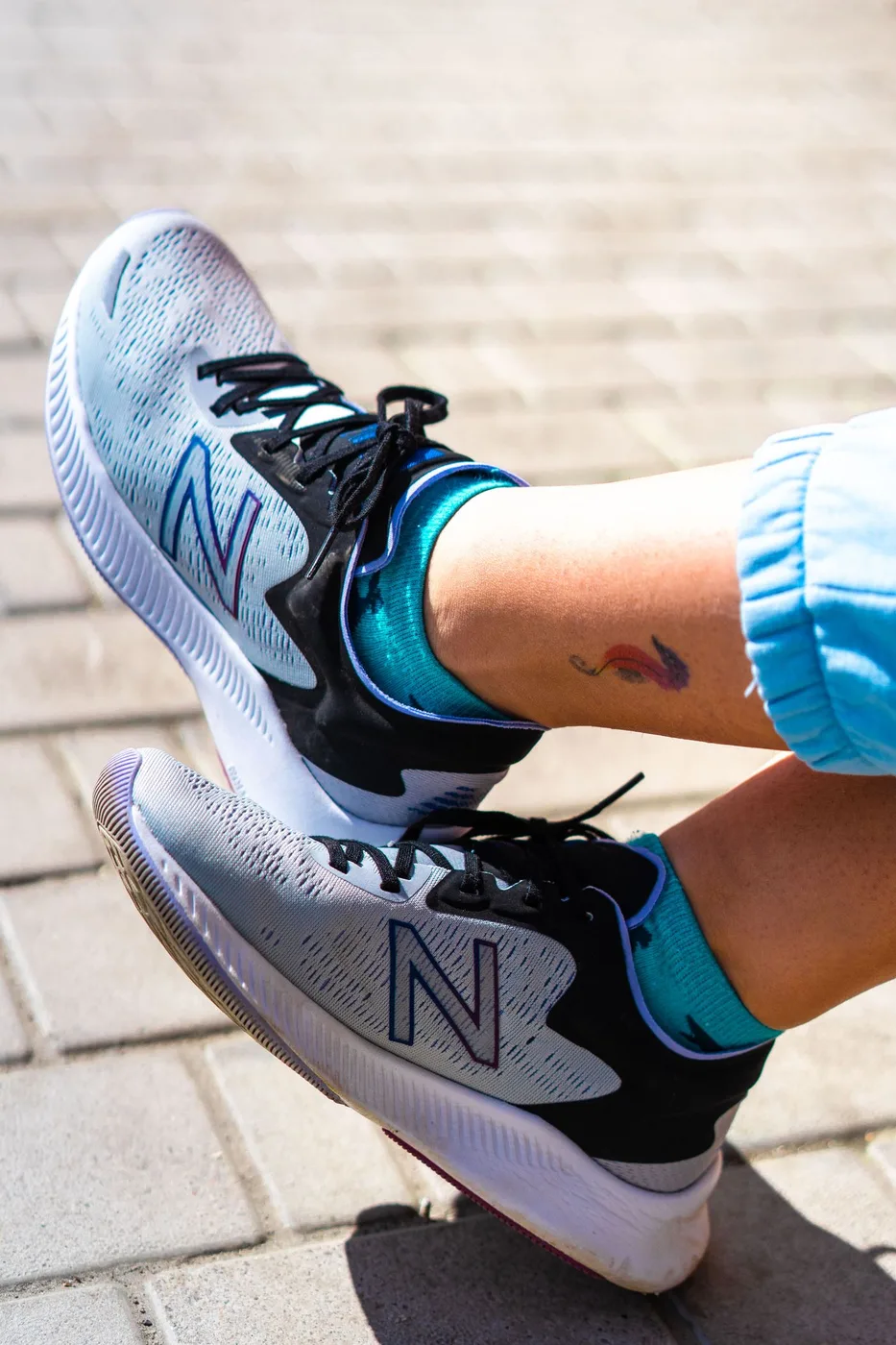
A sock cuff and trouser opening meet in a small area that changes as you sit and walk. Checking them together can make an ordinary outfit feel more considered without creating a new shopping list. Start with the actual trousers and socks you want to wear, then judge both comfort and appearance through everyday movement.
Put on the complete lower half
Wear the intended shoes as well as the trousers and socks. The shoe opening affects how much sock is visible, while the trouser hem can move differently when seated. Looking at a sock on its own gives little information about this complete relationship.
The straight-jeans fit guide offers related questions about the base garment. A comfortable trouser fit should remain part of the decision rather than being sacrificed so the sock edge appears at a particular point in a photograph.
Notice the cuff without forcing it
Assess whether the sock feels suitable for you in its intended position. Do not repeatedly pull or fold a cuff into an uncomfortable arrangement merely to hide it. Different products have their own construction and use information, so avoid assuming every sock can be altered in the same way.
If a sock feels unsuitable, choose another appropriate pair or seek relevant advice where needed. An outfit article cannot establish what is right for an individual medical or comfort requirement. Keep that personal requirement central instead of treating the visible cuff as the only consideration.
Check the hem while sitting
Sit in a suitable chair and observe the trouser opening's natural position. Decide whether you like the amount and colour of sock that becomes visible. A contrasting cuff can be intentional, and a quieter one can be a preference; neither needs a universal rule about how an outfit should look.
The trouser rise chair guide helps assess the rest of the seated outfit. Look at the relationship as a whole rather than adjusting the waistband or posture just to keep the hem at the position it held while standing.
Try one existing alternative
If the combination feels visually awkward, compare another sock you already own that meets your practical requirements. Keep the trousers and shoes the same so you can see what the change actually does. There is no need to replace several wardrobe pieces to solve one small preference.
After ordinary use, note whether the combination stayed comfortable and whether the visible detail bothered you in practice. A concern that mattered only in a close-up photograph may not need another purchase. If there is a real issue, describe it specifically before deciding what to change. That makes an everyday outfit easier to repeat without turning its smallest details into permanent projects.
Check the socks’ own care information when putting the outfit away. Keeping a suitable pair ready for the next use can make the successful combination easier to repeat without another morning search.
A little more to adore

Record Clothing Composition Before a Considered Purchase
Recording a garment's stated composition before a considered purchase gives you something more useful than a memory of how the fabric felt in a shop. The note can help compare
Read the story →
How to Choose a Cotton Tee You Will Actually Repeat
How to Choose a Cotton Tee You Will Actually Repeat. Practical fit checks, outfit decisions and buying advice for everyday life.
Read the story →