
Assess Trouser Rise in the Chair You Spend Time In
Assess trouser rise with the complete outfit, realistic seated time, ordinary movement, overall cut, appropriate alteration options, and the garment’s care routine.
Shopping disclosure: retailer links in this story are ordinary links; we currently earn no commissions. If we add affiliate links in future, they will be identified. Our full disclosure.
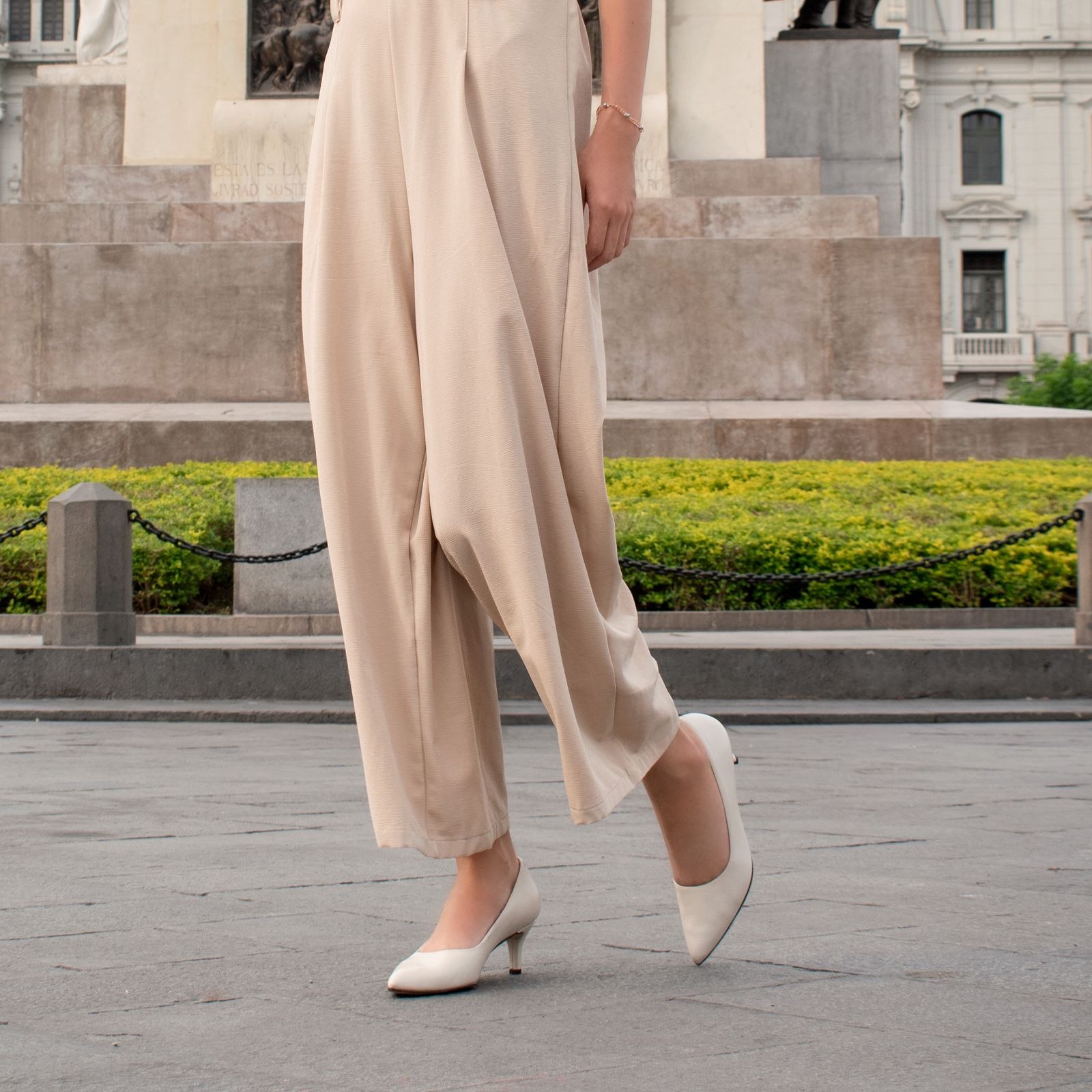
Trouser rise affects more than the outline in a mirror. The waistband and fabric need to work when you sit, stand, and move through an ordinary day. Try those positions before choosing a pair for work or regular errands, and separate personal style preferences from a fit that repeatedly demands adjustment.
Use the complete everyday outfit
Wear the intended underwear and top, including the tuck if you normally use one. Add a belt only if it belongs to the actual outfit. Extra layers inside the waistband can change the available room and feel.
Fasten the trousers properly and stand naturally. Avoid pulling them into a temporary position to improve the view. The waistband should be assessed where it actually settles during wear.
Sit for more than a moment
Use an ordinary suitable chair and spend a short realistic time seated. Notice pressure at the waist, pulling through the front or back, and whether the garment moves into an uncomfortable position. A quick bend is not the same as sitting at a table.
Stand and sit again without deliberately rearranging the trousers each time. Some adjustment may be ordinary, but repeated pulling can indicate that the pair does not serve the use you want. Consider another cut rather than assuming a different size solves every issue.
Compare the whole fit
Rise, waistband shape, fabric, and room through the seat and legs interact. A label such as high rise describes only part of the garment. Compare the exact measurements and construction with trousers that already work for you.
If considering alterations, consult a competent professional about the actual possibilities. A simple waist adjustment may not resolve a more complex fit issue. Include cost and expected result before buying a pair solely because it is discounted.
Try the ordinary movement route
Walk, reach comfortably, and use a familiar safe stair. Check pocket contents separately rather than loading them heavily during the first fit assessment. The garment should allow suitable movement without constant attention.
Add the jacket or layer you expect to wear and check the seated relationship. A comfortable waistband can still conflict with a short top or bulky tuck. Assess the combination according to your preferences, rather than a universal rule about where every layer should finish.
Revisit care before deciding
Read the manufacturer's instructions and consider how the fabric behaves after appropriate laundering. Choose a care routine you can maintain. Do not buy a fit that depends on stretching or shrinking the garment through an unverified method.
Is one rise best for everyone? Personal fit and use vary. Should I always size up for sitting? Assess the complete cut. Can a belt solve pressure? Address the trouser fit first.
Our straight-jeans fit guide offers related checks. The relaxed-dinner outfit guide puts seated comfort into a real occasion.
A little more to adore

How to Choose a Cotton Tee You Will Actually Repeat
How to Choose a Cotton Tee You Will Actually Repeat. Practical fit checks, outfit decisions and buying advice for everyday life.
Read the story →
An Everyday Cardigan That Works With Your Existing Tops
An Everyday Cardigan That Works With Your Existing Tops. Practical fit checks, outfit decisions and buying advice for everyday life.
Read the story →