
How to Choose a Cotton Tee You Will Actually Repeat
How to Choose a Cotton Tee You Will Actually Repeat. Practical fit checks, outfit decisions and buying advice for everyday life.
Shopping disclosure: retailer links in this story are ordinary links; we currently earn no commissions. If we add affiliate links in future, they will be identified. Our full disclosure.
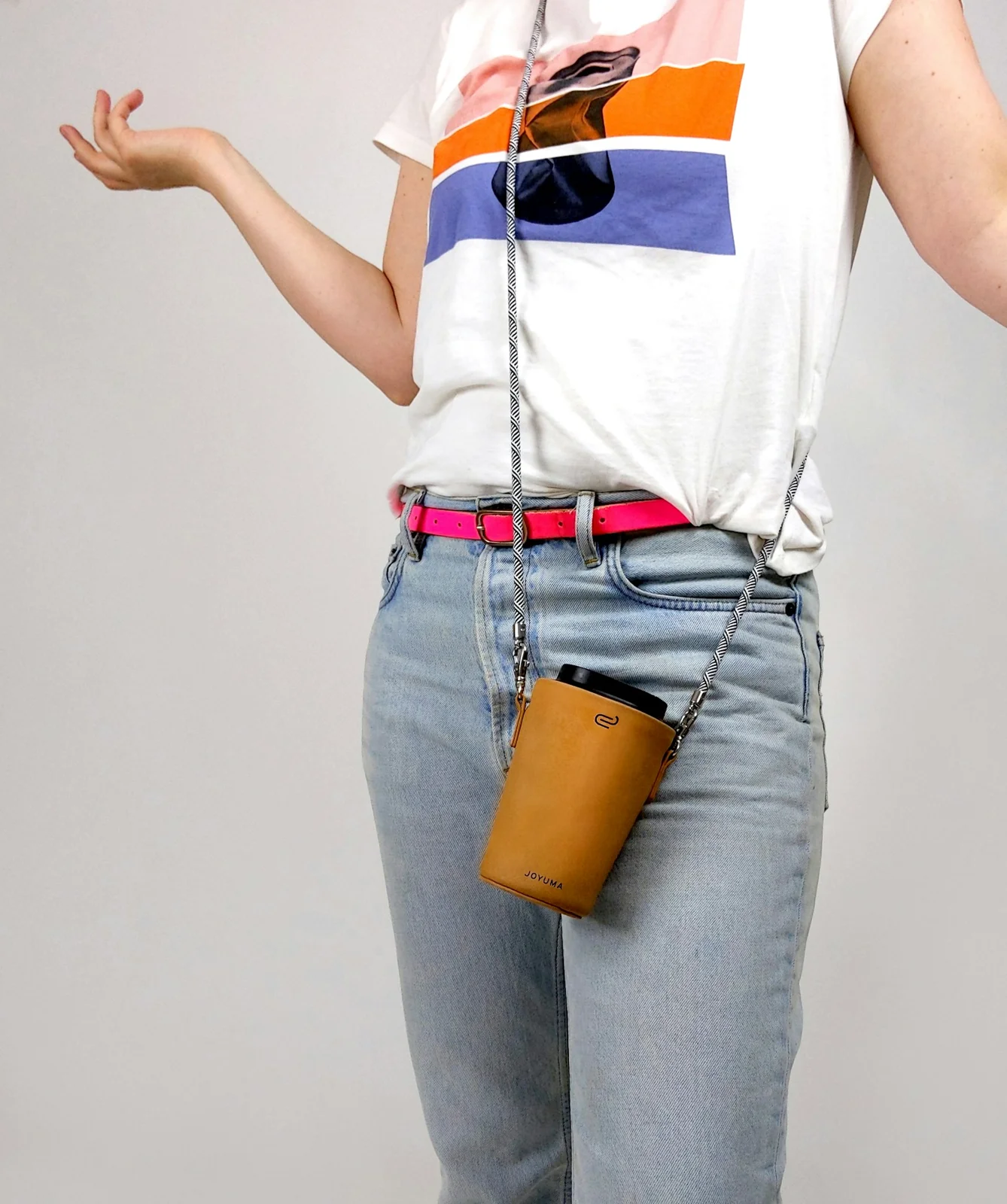
A cotton tee can be the most repeated item in a wardrobe and still be surprisingly difficult to buy. Tops with the same size label can behave differently beneath a cardigan or tucked into jeans. Name the job first: close base layer, easy standalone top or roomy weekend tee. Asking one cut to do everything can create compromises you notice whenever you get dressed.
Fit the shoulder and neckline
For layering, inspect the shoulders. Seam position and sleeve shape should let the outer garment move without bunching. A dropped shoulder looks relaxed alone but can add volume beneath a narrow jacket. For standalone wear, decide whether you prefer a skim or a drape. Neither is inherently better. The useful fit is the one that feels comfortable and works with your regular trousers.
Lean forward and reach overhead while checking the neckline. A high opening can sit neatly beneath a shirt, while a wider neck leaves space for jewelry. An open neckline may reveal an underlayer you did not intend to show. Think about the underwear you actually use, rather than planning a special solution for a top supposed to make mornings easier.
Check coverage and length
Opacity needs a daylight check. Pale tees can look more transparent under different lighting, and a dense-looking photograph does not prove coverage. When ordering online, read garment details and return terms so you can assess the item appropriately. Higher prices do not automatically establish opacity, and studio images cannot show every real-life lighting condition.
A longer tee provides tuck room but can create waistband bulk. A shorter one may sit easily above high-rise jeans yet lift when you reach. Try a loose hem and your preferred tuck. If you often layer, test with the cardigan or shirt you already own. A tee is useful when it cooperates with those pieces, not merely when it photographs well by itself.
Read the washing instructions before building a stack of duplicates. Start with one tee and evaluate it within the appropriate purchase and care rules. If it works for the job, repeating the cut in another color can be sensible. If it does not, identify the specific issue before ordering more. A neckline, length or sleeve adjustment may matter more than choosing a different brand.
Compare the options for your day
| Situation | Starting point | Tradeoff |
|---|---|---|
| Under a jacket | Neater shoulders and sleeves | Less relaxed alone |
| Weekend wear | Roomier body | Can bunch when tucked |
| Summer layer | Comfortable drape and coverage | Check composition and care |
A useful buying brief
Before browsing, focus on shoulder seams, neckline coverage, daylight opacity and hem length. Make that your shortlist rather than trying to replace every piece in an outfit. Photograph two combinations from your wardrobe and compare the prospective addition with those real clothes. If a purchase requires several other purchases before it becomes useful, pause and reconsider the job it is supposed to do. A good choice should reduce friction in an ordinary day.
For tops, Everlane’s tee collection and UNIQLO’s shirts and blouses offer browsing starting points. Check the specific garment’s measurements, composition, care and current return terms. These are ordinary retailer links; the photographs illustrate scenes and do not identify pictured garments as products from those stores. For shoes and bags, use the same practical checklist wherever you usually shop.
Start with what is already in the wardrobe
Try your best-fitting tee as a reference when comparing garment measurements. Put the complete outfit together, including the shoes, outer layer and bag you intend to use. Sit, reach and walk rather than relying on a standing mirror check. Notice the piece you keep adjusting. That observation creates a useful shopping brief: a different sleeve, a more comfortable waistband or a better strap may solve the problem without an entirely new outfit.
Consider care as part of the cost. Read the instructions before deciding that a piece suits everyday wear. A garment that requires a routine you dislike may be worn less often than a simpler alternative. If your existing clothes already perform the job comfortably, repeating them is a worthwhile result. Buying advice should help you decide whether to purchase as well as what to purchase.
Common questions
Is pure cotton always best?
It depends on your priorities. Read the specific composition and care instructions. Fit and intended use matter alongside a fiber name.
Should I buy several colors at once?
Try one first. A fit you confidently enjoy is more useful than several versions that all create the same problem.
Keep reading
Coffee Run Outfit and Workday Layers offer more ways to make familiar pieces work together.
A little more to adore

An Everyday Cardigan That Works With Your Existing Tops
An Everyday Cardigan That Works With Your Existing Tops. Practical fit checks, outfit decisions and buying advice for everyday life.
Read the story →
Choosing a Practical Tote for the Things You Really Carry
Choosing a Practical Tote for the Things You Really Carry. Practical fit checks, outfit decisions and buying advice for everyday life.
Read the story →