
Try Slip-On Shoes with the Socks You Intend to Wear
Slip-on shoes are worth trying with the socks you intend to wear. The combination is part of the fit decision rather than a finishing detail added after purchase. A pair asses
Shopping disclosure: retailer links in this story are ordinary links; we currently earn no commissions. If we add affiliate links in future, they will be identified. Our full disclosure.
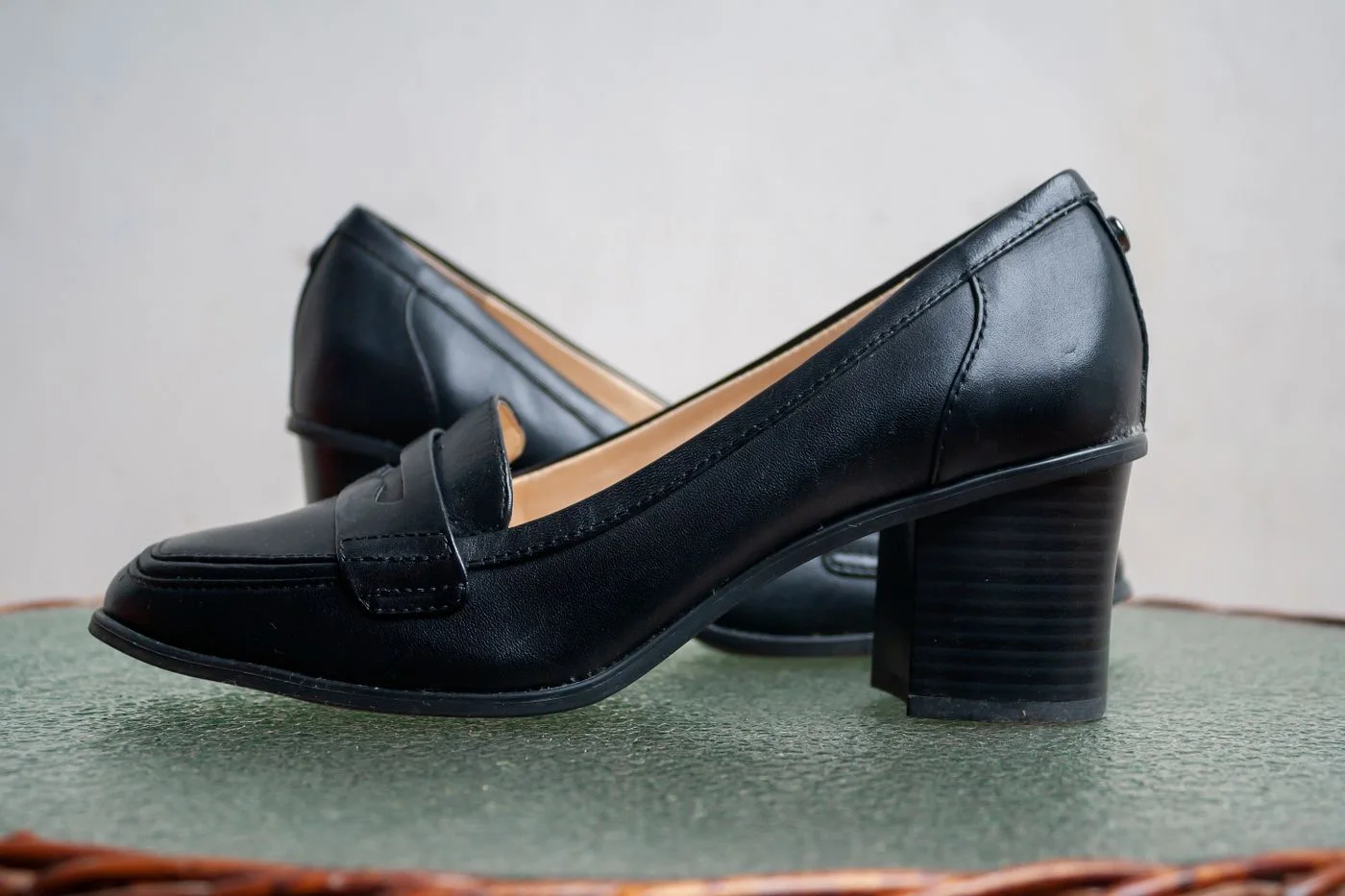
Slip-on shoes are worth trying with the socks you intend to wear. The combination is part of the fit decision rather than a finishing detail added after purchase. A pair assessed with one kind of hosiery may feel different in the everyday outfit, so keep the trial connected to the actual wearer and use.
Bring the intended combination together
Follow the seller's permitted trying-on process and use appropriate socks or hosiery where allowed. Consider the pair you realistically wear with the planned trousers or skirt. Do not choose an unfamiliar sock solely to make a shoe feel acceptable during a brief trial.
The walking-shoe checklist offers useful practical questions about everyday footwear. Apply the relevant parts to the actual shoe while leaving comfort and suitability to your own assessment and any appropriate professional advice you need.
Notice entry and ordinary movement
Check whether you can put the shoes on and remove them comfortably as designed. Avoid forcing the opening or assuming the material will change enough to resolve an immediate problem. Read the maker's information instead of relying on a salesperson's general statement that all shoes settle in the same way.
Where permitted, walk in a suitable trial area and notice how the shoes and socks behave together. Do not make an unsuitable pair work by constantly gripping or adjusting your feet. A particular style name does not guarantee a particular fit, even when another pair in the same labelled size has suited you.
Check the outfit's visible details
Look at the shoe opening and the sock edge with the intended hem. You may like a visible sock or prefer another arrangement, but appearance should not override a combination that feels unsuitable. Try alternatives you already own before assuming the answer is a specialist product bought for one pair.
The midi skirt and flats guide helps connect the visual decision to a real outing. Keep the route and the footwear's intended use in mind rather than judging the arrangement only from the small area visible beneath a skirt.
Preserve the option to decide again
Check return terms before buying and retain the relevant packaging and receipt. Follow any restrictions on trial use while you decide. Do not wear shoes outdoors simply to settle a question if doing so would conflict with the seller's actual conditions or the footwear's intended purpose.
If the preferred socks and shoes do not work together, identify which part is the problem before buying replacements. It may be the opening, the overall fit or your preference for another style. Record a combination that does work so it is easier to repeat. The aim is an everyday pair you can choose with confidence, including the ordinary socks that form part of how you wear it.
A little more to adore

Record Clothing Composition Before a Considered Purchase
Recording a garment's stated composition before a considered purchase gives you something more useful than a memory of how the fabric felt in a shop. The note can help compare
Read the story →
How to Choose a Cotton Tee You Will Actually Repeat
How to Choose a Cotton Tee You Will Actually Repeat. Practical fit checks, outfit decisions and buying advice for everyday life.
Read the story →