
Keep Everyday Shoes as Ready Pairs on a Useful Shelf
Keep everyday shoes as ready pairs through a current rotation, measured shelf fit, suitable care, clear retrieval, appropriate load limits, and seasonal review.
Shopping disclosure: retailer links in this story are ordinary links; we currently earn no commissions. If we add affiliate links in future, they will be identified. Our full disclosure.
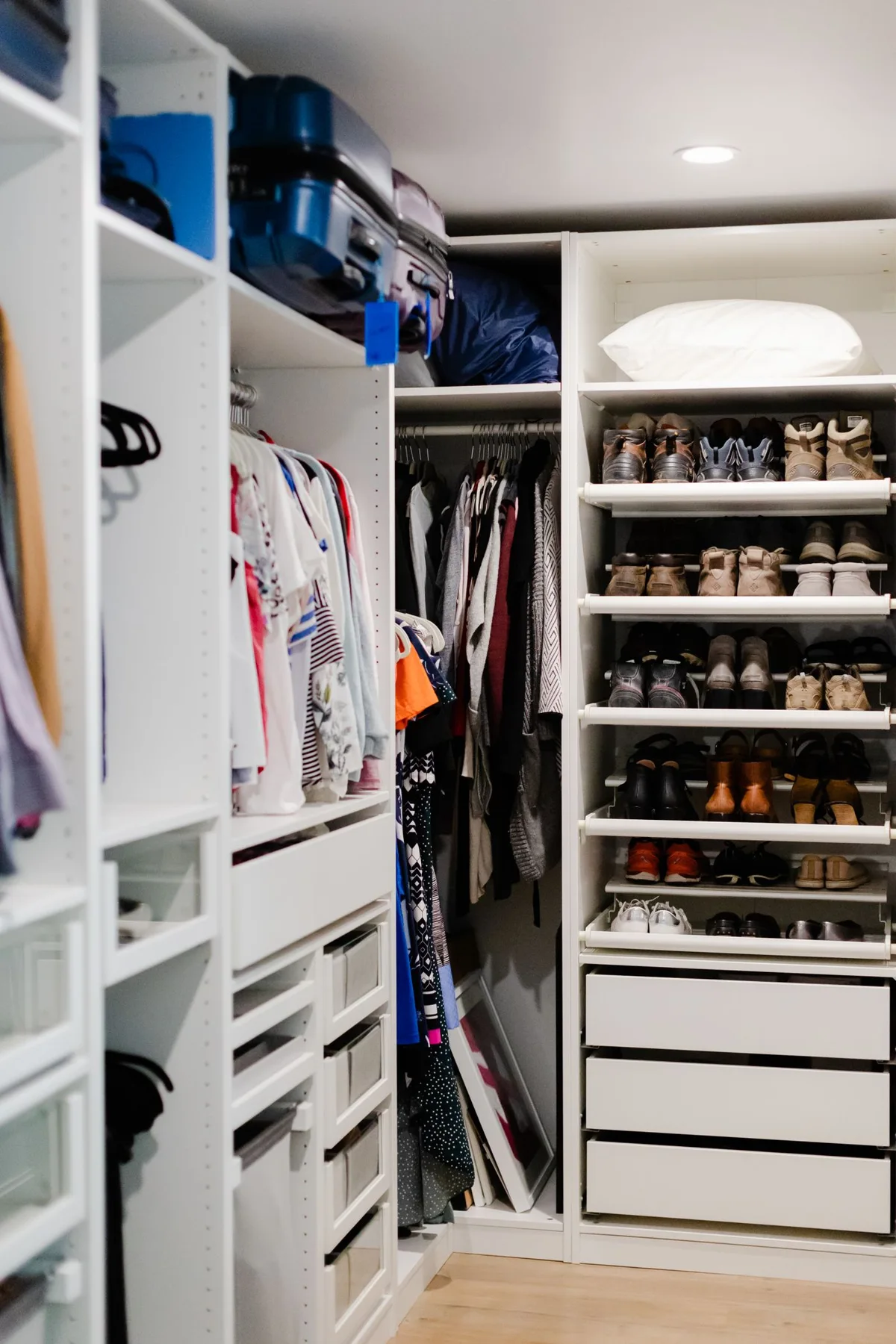
A shoe shelf can hold many shoes while making the pair you want difficult to find. Arrange it around the footwear currently in use, with appropriate care and enough access to remove a pair comfortably. The useful result is a clear ready selection, rather than a tightly packed display of every shoe you own.
Select the current rotation
Choose the pairs that suit your actual routine and conditions. Inspect their condition and follow relevant care instructions. Shoes awaiting repair or particular treatment should have a clear separate action instead of hiding among ready pairs.
Keep occasional footwear appropriately elsewhere if that improves access. A shelf by the door does not need to display the entire wardrobe. Discuss shared space with household members so the arrangement reflects everyone's use.
Measure shoes with the shelf
Check usable depth, width, and height, including any door or support that narrows access. Different shoes occupy different space. A storage product's advertised pair count may be based on footwear unlike your own.
Follow the furniture's assembly, installation, and load instructions. Use a suitable position clear of walking routes and essential access. Do not stack unstable extensions merely to preserve a high capacity target.
Keep ready separate from damp or dirty
Handle recently worn footwear according to the maker's requirements and appropriate household practice. Avoid returning damp or dirty shoes directly into a tightly enclosed ready group. The shelf is the end of a suitable care route, not a substitute for it.
Use appropriate cleaning methods for each material. A product that suits one upper or finish can be unsuitable for another. If uncertain about valuable or unusual footwear, obtain suitable professional advice.
Make retrieval comfortable
Store each pair together in a configuration appropriate to its shape and care. Leave enough space to lift it out without pulling several others down. A lower accessible capacity may be more useful than a full shelf that needs rearranging each morning.
Keep accessories such as care tools on their own suitable route. They should not obstruct shoe access or become mixed with objects needing secure storage. A small identified kit may work better than several bottles scattered beneath the pairs.
Review when the routine changes
At a seasonal or schedule change, reassess which pairs deserve the accessible space. Do not buy more storage automatically because unused shoes remain in the current rotation. Choose what supports present use and store the rest appropriately.
Must shoes face the same way? Use a suitable accessible arrangement. Does advertised capacity settle the choice? Measure your actual pairs. Should worn shoes return immediately? Complete appropriate care first.
Our walking-shoe checklist assesses footwear before storage. The small-entryway reset connects the shelf with the rest of the arrival route.
A little more to adore

How to Choose a Cotton Tee You Will Actually Repeat
How to Choose a Cotton Tee You Will Actually Repeat. Practical fit checks, outfit decisions and buying advice for everyday life.
Read the story →
An Everyday Cardigan That Works With Your Existing Tops
An Everyday Cardigan That Works With Your Existing Tops. Practical fit checks, outfit decisions and buying advice for everyday life.
Read the story →