
A Small Entryway Reset That Makes Leaving Easier
Give keys, shoes, bags, and incoming mail a practical home without crowding a narrow hallway.
Shopping disclosure: retailer links in this story are ordinary links; we currently earn no commissions. If we add affiliate links in future, they will be identified. Our full disclosure.
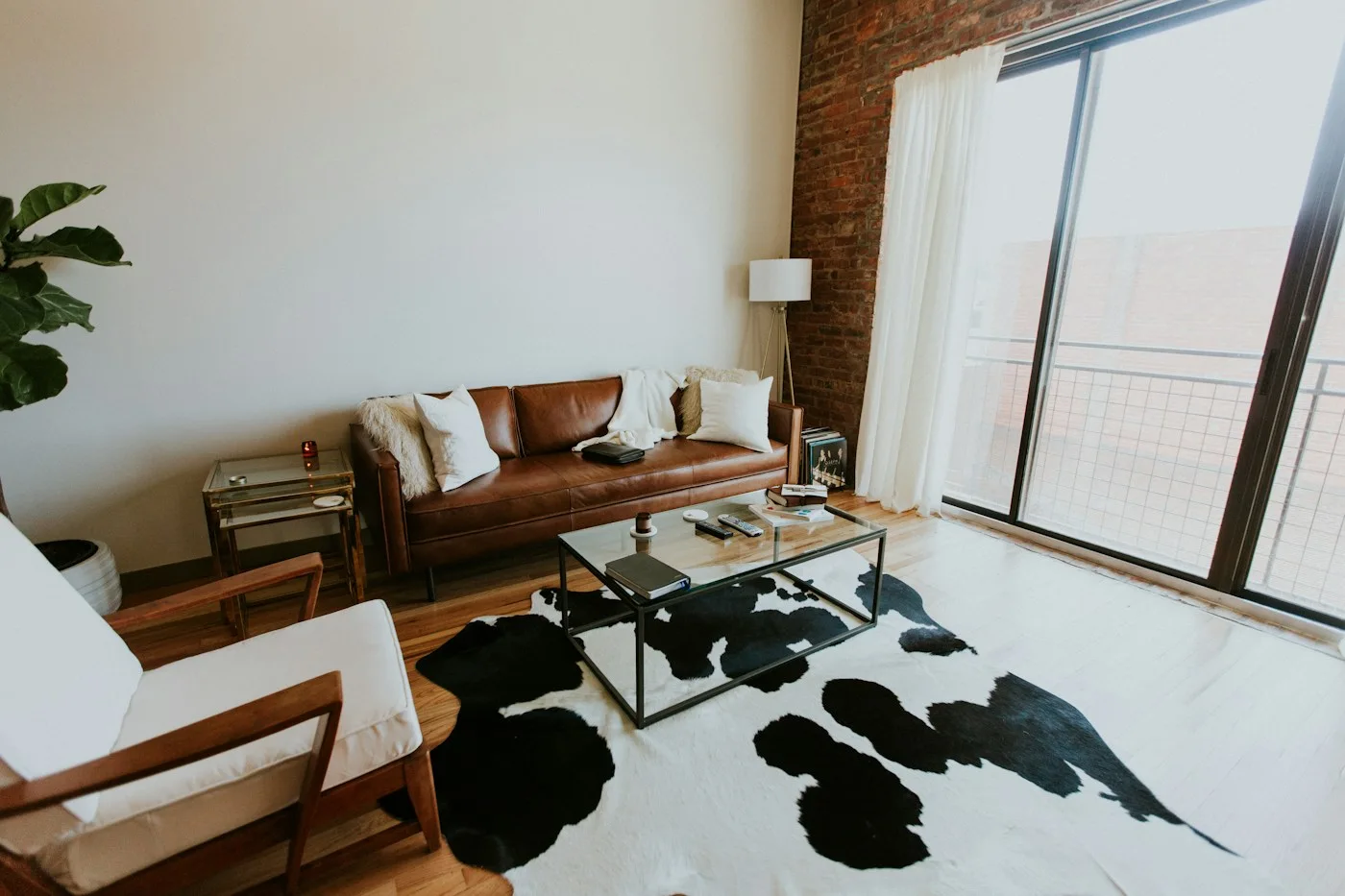
A narrow hallway can become a storage problem before anyone calls it a room. Imagine coming home with a tote, a wet umbrella, and groceries while yesterday’s shoes occupy the only clear patch of floor. The useful question is where each item can land without making the next arrival harder.
A good entryway reset follows the route from the door to the rest of the house. It should support the things you actually carry, leave enough room for the door to swing, and be easy to restore after a rushed morning. Start with what you own before buying a matching set of baskets.
Watch the traffic first
For three days, notice what collects near the door. Divide it into everyday belongings, outgoing items, and things that need another home. Shoes worn this week belong nearby; a box of rarely used decorations does not. Keep returns and library books together so they do not disappear into general storage.
Measure the door swing and the narrowest walking route. Include handles and projecting shelves in those measurements. A cabinet that technically fits against the wall may still make carrying a shopping bag awkward. In a rented home, check the rules and wall type before choosing hooks that need installation.
Choose one landing place
A bowl you already own can hold keys. A shallow tray makes loose coins and a transit card easier to spot. Put the landing place where someone can reach it while wearing a coat. If there is no surface, a shelf near the door may work better than a deep console, provided it is securely fitted.
For shoes, choose between a washable mat, open shelf, or closed cabinet. A mat is straightforward for damp shoes but leaves everything visible. Shelves offer quick access; cabinets reduce visual clutter but need enough clearance and suitable storage instructions. Do not seal wet shoes into a cramped box immediately after coming inside.
| Everyday problem | Useful option | Tradeoff |
|---|---|---|
| Keys keep moving | Small tray | Everyone must use the same place |
| Shoes block the route | Shallow shoe shelf | Shoes remain visible |
| Bags fall onto the floor | Secure hooks | Check wall fixing and load guidance |
| Returns get forgotten | Outgoing basket | Must be emptied regularly |
Buy baskets for a specific job
Before browsing IKEA’s storage boxes and baskets, write down the internal dimensions you need. Measure the shelf opening, then allow space to lift a basket out. Soft sides are forgiving around scarves; a rigid box can be easier to label and clean. Rough woven interiors can snag delicate knits, so inspect the finish or add an existing fabric liner.
Handles matter more than decorative texture when a basket will move daily. Check whether the base sits flat, whether a lid will slow access, and whether the material tolerates its intended location. A decorative indoor basket should not be assumed suitable for damp umbrellas. Compare current measurements and care information on the retailer’s own listing before ordering.
Make the reset stick
Give each person a reasonable allowance of shoes and hooks. Overflow is a signal to move seasonal items elsewhere, not automatically to buy another container. Place a reminder near the outgoing basket for a week, then remove it once the habit is established.
At the end of the day, take mail to its proper place and return spare footwear to a closet. This is a short maintenance routine rather than an invitation to reorganize the entire home every evening. If the household needs more capacity, first decide what must genuinely remain at the door.
The no-buy version
Use a serving tray for keys, an unused shopping bag for returns, and a washable cloth beneath everyday shoes while you work out the layout. Move one piece of furniture rather than purchasing another. A week with this temporary arrangement reveals whether the landing place is reachable, whether children can use it, and whether the route stays clear.
Keep decoration modest until those questions are resolved. One print or a small lamp can make the entrance welcoming, but practical clearance is the first priority.
Questions before shopping
Does everyone need a separate basket?
Only if separate baskets solve a recurring mix-up and fit comfortably. One shared basket with smaller labeled pouches may use less space. Avoid giving rarely used belongings permanent space because a container is available.
Is a closed shoe cabinet always better?
No. Door movement, usable depth, footwear size, and ventilation all matter. A compact open shelf can be more convenient when the entrance is very narrow.
Continue with the Sunday home reset or create a quieter reading corner.
A little more to adore
Reading Corner Ideas for a Room You Already Have
Create a comfortable place for a few pages with thoughtful light, sensible storage, and an honest look at space.
Read the story →
A Relaxed Linen Table for an Ordinary Dinner
Set a welcoming table with linens, everyday plates, and realistic care choices without buying a complete collection.
Read the story →