
Keep Garment Measurements Distinct from Body Measurements
Record garment measurements with the item and method identified, keeping them distinct from body measurements and a retailer’s size or fit description.
Shopping disclosure: retailer links in this story are ordinary links; we currently earn no commissions. If we add affiliate links in future, they will be identified. Our full disclosure.
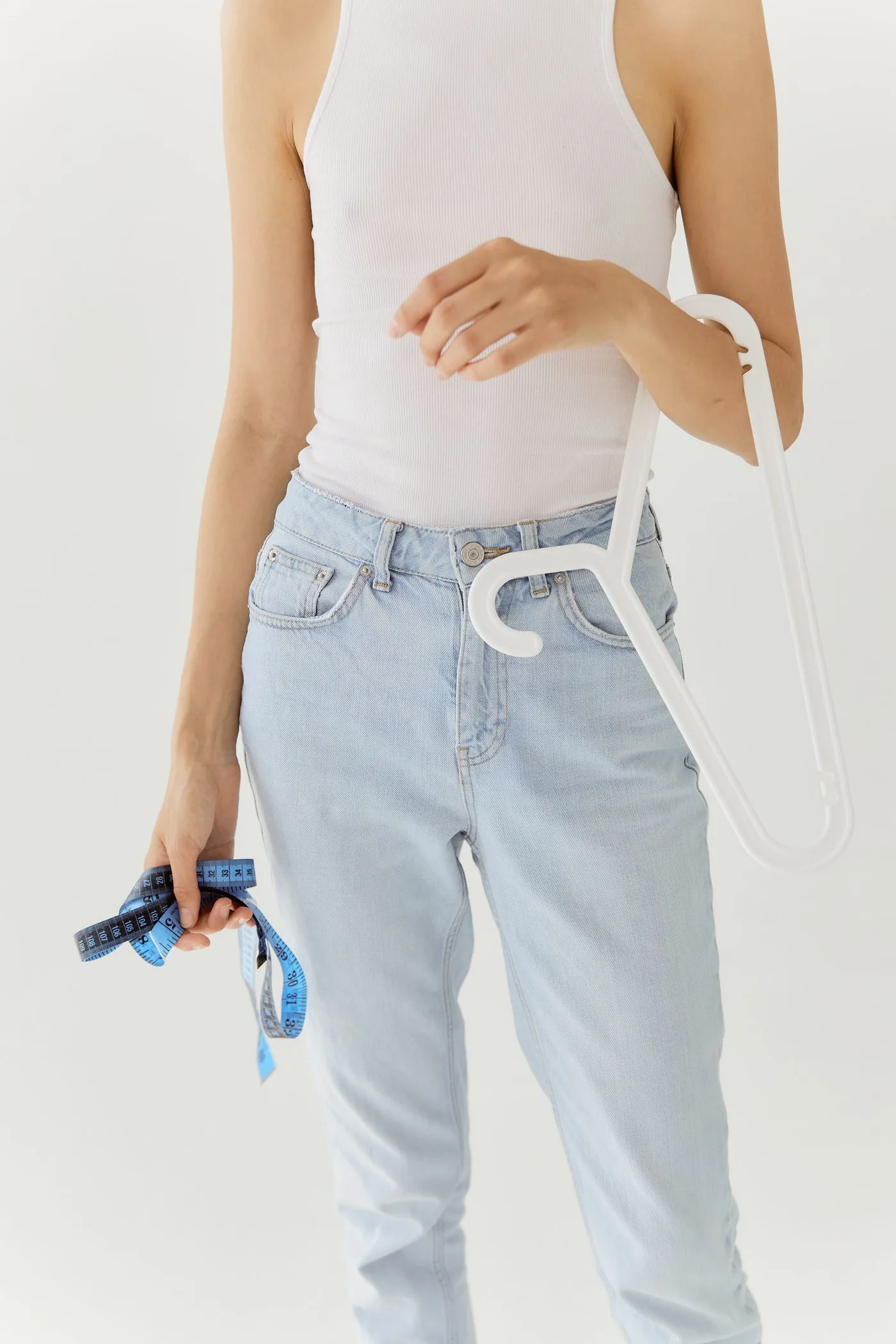
Garment measurements and body measurements belong in different parts of a clothing reference. A number copied without its subject or method can create confusion when you compare a familiar piece with another product. Record what was measured and how the source describes it, keeping a retailer's size label as another separate piece of information.
Name the object being measured
Write whether the number describes a garment, a body measurement or a product size reference. A waist-related number alone does not tell you which meaning was intended. Preserve the wording from the source rather than shortening it until the distinction disappears.
Identify the actual garment with enough detail to recognize it later. A familiar pair of trousers or a particular shirt can provide a personal comparison, but several similar items may have different construction and wearing roles. Do not let a general colour name become the only identity in the record.
Preserve the measurement method
Use the relevant maker's method or appropriate guidance when a measurement is needed. Keep the unit and any stated measuring position with the result. A flat garment measurement and another method should not be compared directly unless you understand what each one means.
Avoid inventing a conversion between a garment number and a body requirement. A clothing measurement is part of a fit decision, not a complete description of how the item will feel on a person. Construction, intended wearing arrangement and personal preference remain separate questions.
Keep size labels in their own field
Record the actual label without treating it as a universal measurement. A familiar size name from one product does not automatically establish another product's dimensions or intended fit. Use the actual retailer or maker information when comparing an item you are considering.
The straight jeans fit guide supports a broader wearing assessment. A useful number can narrow a question, while the complete garment and ordinary movement still need their own consideration.
Add the comparison's purpose
Write why you kept the measurement. You may be comparing an overall length, checking a sleeve reference or identifying a question for the seller. A small record with a clear purpose is easier to use than a long table of numbers collected without knowing which decision they support.
The composition shopping note guide helps keep other product information distinct. Material identity, measurements and care can each inform a considered purchase without one field pretending to answer every clothing question.
Review before relying on an old note
Check that the garment and method still match the comparison you intend. A note about another product version or a garment that has changed through use may not answer today's question. Leave uncertainty visible and ask for the actual information when necessary.
Keep personal body information appropriately private and share only what a relevant fitting conversation requires. A clear measurement record supports a specific decision because every number has a subject, unit and method, leaving the final wearing preference with the person who will use the clothes.
A little more to adore
Record Clothing Composition Before a Considered Purchase
Recording a garment's stated composition before a considered purchase gives you something more useful than a memory of how the fabric felt in a shop. The note can help compare
Read the story →
How to Choose a Cotton Tee You Will Actually Repeat
How to Choose a Cotton Tee You Will Actually Repeat. Practical fit checks, outfit decisions and buying advice for everyday life.
Read the story →