
Give a Sideboard Serving Surface a Clear Purpose
A sideboard can support a meal by providing a clear place for suitable serving items. It becomes less useful when the same surface holds decorative pieces, paperwork and the d
Shopping disclosure: retailer links in this story are ordinary links; we currently earn no commissions. If we add affiliate links in future, they will be identified. Our full disclosure.
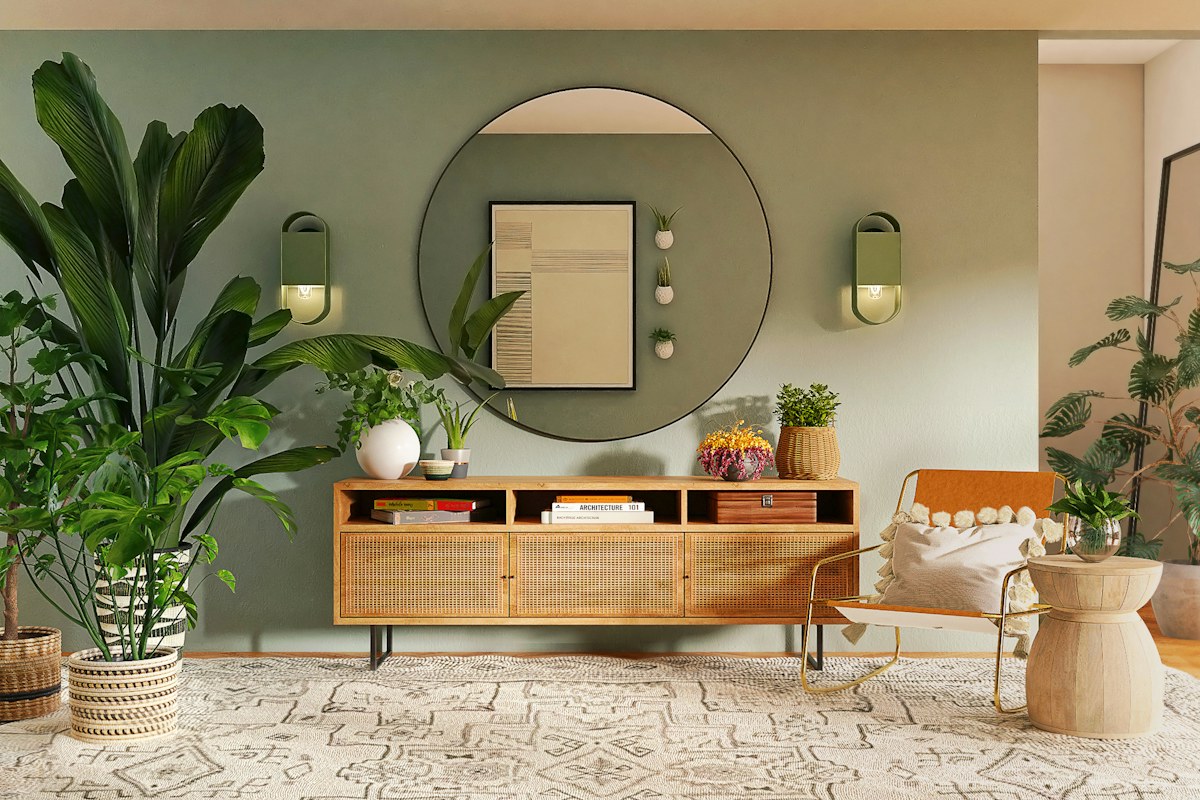
A sideboard can support a meal by providing a clear place for suitable serving items. It becomes less useful when the same surface holds decorative pieces, paperwork and the dishes expected at dinner. Give it one defined role for the gathering and check the actual furniture's care requirements before setting anything down.
Decide what the surface will do
Choose whether the sideboard will hold ready serving vessels, a drink arrangement or something else that suits the room. Do not assign every overflow task to the same space. A clear purpose helps you decide which items belong there and which need another appropriate home.
The relaxed linen table guide offers related questions about the main dining surface. Consider the two areas together so that moving an item away from the table creates a genuinely usable arrangement rather than simply hiding a crowded setting elsewhere.
Check the furniture before serving
Read available care information for the sideboard and any protective products you intend to use. Do not assume a mat or tray makes the surface suitable for hot dishes, liquids or a load beyond its intended use. Where the requirements are unclear, choose a more appropriate serving arrangement.
Keep lamps, cables and other equipment clear of the proposed food or drink area according to their own instructions. Avoid moving an appliance into a temporary position where it creates another problem. The serving role must fit the room's actual fixtures rather than requiring a chain of improvised adjustments.
Leave useful approach space
Consider how people will reach the sideboard without interrupting seated diners or blocking a route. A dish can be easy to see but awkward to take if a chair or plant occupies the approach. Check the room in the position it will actually have during the meal.
The small entryway reset guide offers another example of assessing furniture through movement. At a dining sideboard, apply that attention to the path between storage, serving and the guests' places without turning the room into a display that cannot be used.
Make the return part of the arrangement
Decide where used items will go so they do not gradually occupy the clean serving area. Follow appropriate food-handling and product-care guidance for the actual items involved. Keep the route clear as the meal progresses, particularly when carrying dishes or collecting belongings near the furniture.
Afterwards, restore the sideboard to its ordinary purpose deliberately. Return paperwork and decorative items only once the surface is ready under its care requirements. If the serving plan was awkward, record whether the difficulty involved access, furniture suitability or too many tasks assigned to one area. That concrete observation will make the next gathering easier to arrange.
Keep any furniture care information accessible to the people helping clear the room. That allows a practical handover after the gathering without someone guessing which treatment is appropriate for the sideboard’s surface.
A little more to adore

Give Bedside Glasses a Suitable Case and a Clear Place
Give bedside glasses an appropriate case, specific care, stable clear placement, comfortable access, separate belongings, and a complete morning handover.
Read the story →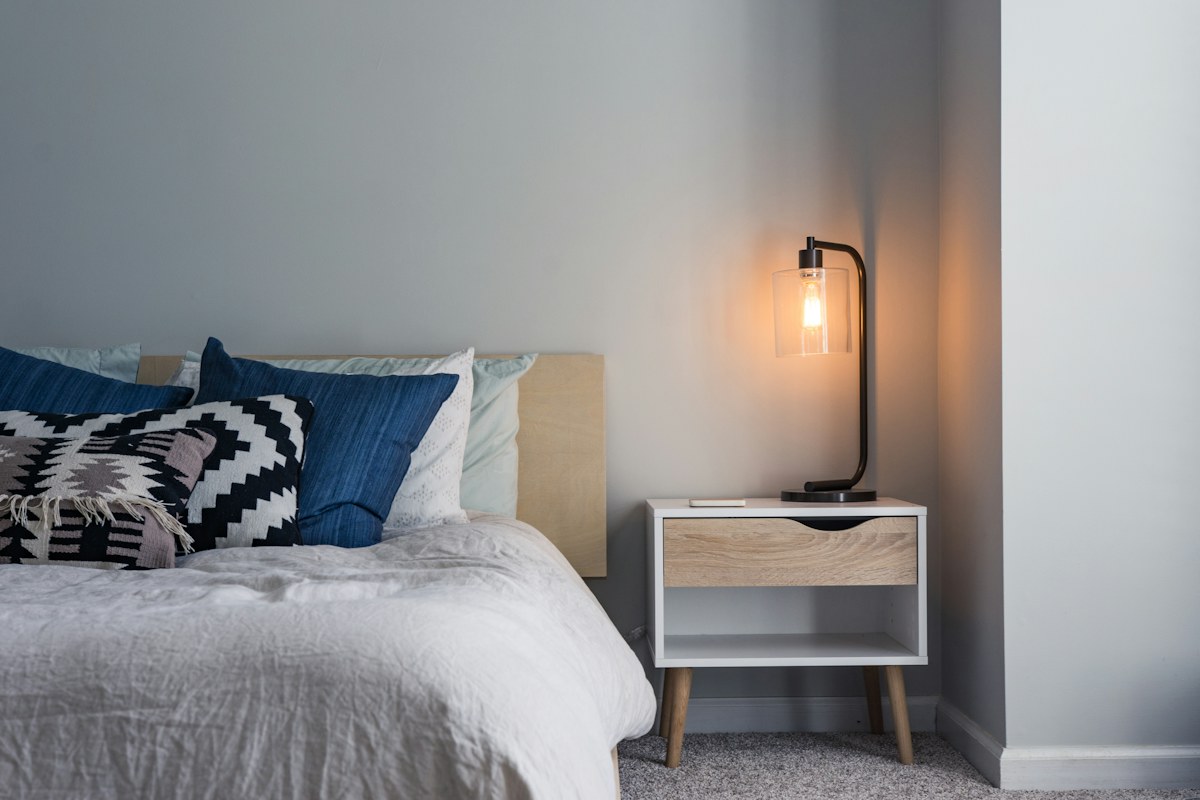
Choose a Bedside Lamp Through Switch Reach
A bedside lamp is easier to choose when its switch can be reached through the way the bed is actually used. A photograph of a lamp on a table says little about that ordinary m
Read the story →