
Choose a Bedside Lamp Through Switch Reach
A bedside lamp is easier to choose when its switch can be reached through the way the bed is actually used. A photograph of a lamp on a table says little about that ordinary m
Shopping disclosure: retailer links in this story are ordinary links; we currently earn no commissions. If we add affiliate links in future, they will be identified. Our full disclosure.
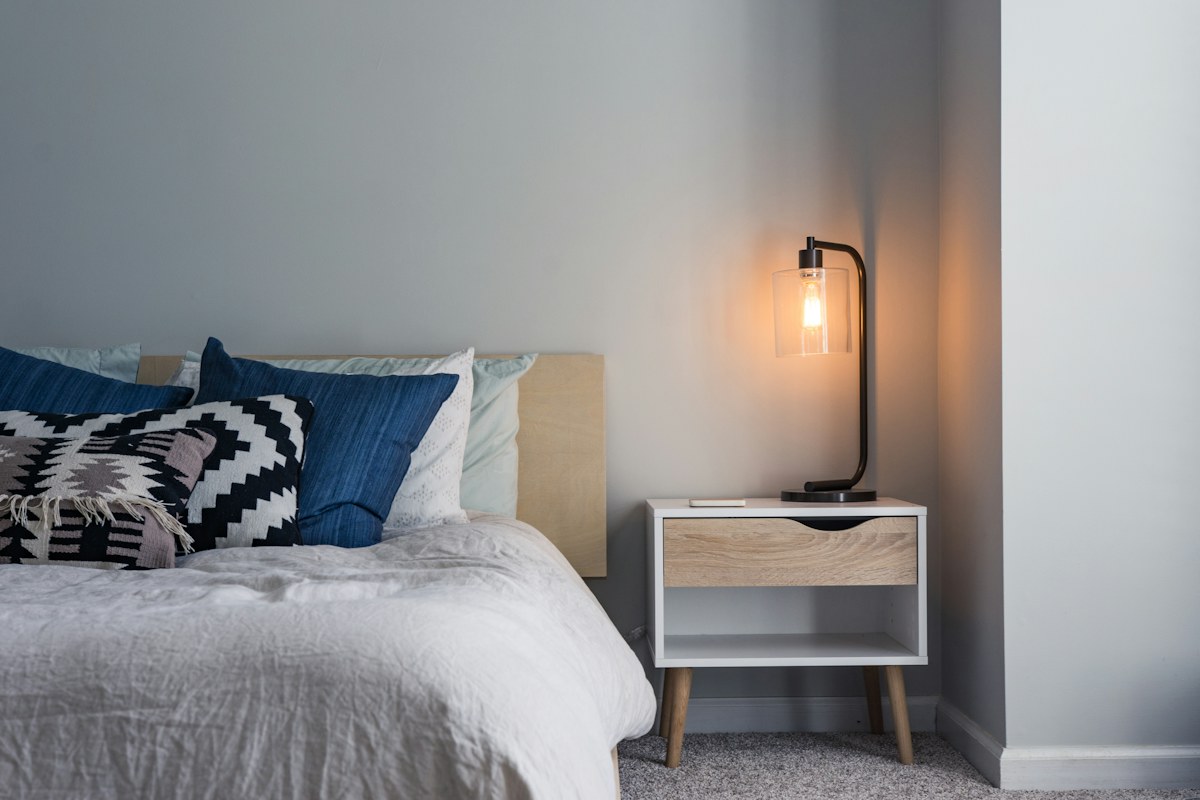
A bedside lamp is easier to choose when its switch can be reached through the way the bed is actually used. A photograph of a lamp on a table says little about that ordinary movement. Consider the sleeper's own requirements, the complete furniture arrangement and the product's instructions before deciding the lamp belongs there.
Identify who will use the control
Ask the person using the bed which movements are comfortable and what they need from the light. Avoid choosing a control type solely because it looks discreet. A small switch, a cord control or another mechanism should be assessed by its intended user rather than described as universally easy.
The reading corner guide offers related questions about light within a familiar routine. At a bedside, include the tasks actually carried out there instead of treating the lamp as a decorative object that happens to be switched on occasionally.
Check the proposed position
Measure the available surface and consult the lamp's stated dimensions and requirements. Keep the base appropriately supported and do not balance it at an edge to bring the switch closer. A different suitable lamp or furniture arrangement is preferable to a precarious position created to solve a reach problem.
Consider the table's other necessary objects as well. The bedside glasses case guide helps assess a familiar item that needs a clear place. A lamp should not displace important belongings into a position where they become hard to find or easy to knock over.
Follow the electrical and product guidance
Use the lamp only according to its instructions, including its power supply, light source and clearances. Do not modify controls, cables or fittings to make a preferred design work. Ask an appropriate qualified person about unresolved electrical questions rather than improvising a solution within an outfit or home-organising project.
Plan a suitable cable route that keeps ordinary movement and exits clear. Check whether the intended position is compatible with the room's actual outlets and equipment guidance before purchasing. A lead that happens to reach does not settle every requirement of the arrangement.
Test the ordinary action
Where a safe, permitted trial is possible, assess the control from the user's usual position. Include the other person who may use the bed if the space is shared. Do not assume one person's comfortable reach establishes suitability for everyone who will stay there.
If the arrangement does not work, identify whether the issue is control type, position, furniture or another practical requirement. Keep that information for a more focused comparison rather than buying a similar lamp with the same unresolved difficulty. The useful outcome is light the intended person can manage comfortably within an arrangement that respects the products and the room.
A little more to adore

Give Bedside Glasses a Suitable Case and a Clear Place
Give bedside glasses an appropriate case, specific care, stable clear placement, comfortable access, separate belongings, and a complete morning handover.
Read the story →
Close the Desk Notebook with a Clear Next Step
Close a desk notebook with appropriate privacy, one precise next step, a suitable page marker, clear loose-paper routes, safe tool storage, and an easy restart.
Read the story →