
Rainy-Day Dressing Without a Wardrobe Overhaul
Rainy-Day Dressing Without a Wardrobe Overhaul. Practical fit checks, outfit decisions and buying advice for everyday life.
Shopping disclosure: retailer links in this story are ordinary links; we currently earn no commissions. If we add affiliate links in future, they will be identified. Our full disclosure.

Rain changes the order of getting dressed. Protection for the trip comes first; the outfit underneath comes second. Reversing that order can leave you squeezing a coat over bulky sleeves or carrying a wet layer with nowhere to put it. Begin with the forecast, the route and the places where outerwear can dry. A brief shower and a long uncovered walk call for different plans.
Keep the base uncomplicated
Use a comfortable top, trousers that clear the ground and shoes chosen for the conditions. Very wide hems can look lovely but become inconvenient when they brush a wet sidewalk. A shorter straight leg may be easier, provided it works with your preferred socks and shoes. Dark fabric can make a splash less obvious, but color does not make a garment weatherproof. Read the actual care and product information.
Try the coat over the layers you intend to wear. Raise your arms and sit down. If it catches across the shoulders, reduce sleeve bulk or reconsider its cut. Room for movement is useful when holding an umbrella or carrying groceries. A rain layer does not need to fit tightly to look neat. Check the specific garment information before relying on any statement about water protection.
Plan for the wet items
An umbrella helps on a short walk, but occupies a hand and can become awkward in wind. A hood frees your hands, though its fit and visibility matter. Turn your head while wearing it before buying. For either choice, consider where the damp item goes when you enter a shop. A designated bag can help separate it from papers and electronics.
Footwear deserves its own decision. Water resistance does not necessarily mean suitability for puddles or prolonged exposure. Follow the manufacturer’s guidance and avoid judging grip from a tread photograph. Familiar footwear that fits securely is a better starting point than an untested pair chosen to match a coat. Also allow time to care for the shoes afterward according to their instructions.
Keep a spare pair of socks at your destination if that is practical for your routine. This is a small preparation choice rather than a reason to buy a whole collection of weather clothing. After the journey, arrange damp layers so they can dry as directed instead of leaving everything compressed inside the tote.
Compare the options for your day
| Situation | Starting point | Tradeoff |
|---|---|---|
| Brief shower | Umbrella and simple layers | Needs a free hand |
| Exposed route | Suitable rain layer | Verify protection claims |
| Indoor errands | Light base beneath removable coat | Need space for damp outerwear |
A useful buying brief
Before browsing, focus on coat movement, hood visibility and verified weather guidance. Make that your shortlist rather than trying to replace every piece in an outfit. Photograph two combinations from your wardrobe and compare the prospective addition with those real clothes. If a purchase requires several other purchases before it becomes useful, pause and reconsider the job it is supposed to do. A good choice should reduce friction in an ordinary day.
For tops, Everlane’s tee collection and UNIQLO’s shirts and blouses offer browsing starting points. Check the specific garment’s measurements, composition, care and current return terms. These are ordinary retailer links; the photographs illustrate scenes and do not identify pictured garments as products from those stores. For shoes and bags, use the same practical checklist wherever you usually shop.
Start with what is already in the wardrobe
Try your existing coat over thinner sleeves and trousers with a clearing hem. Put the complete outfit together, including the shoes, outer layer and bag you intend to use. Sit, reach and walk rather than relying on a standing mirror check. Notice the piece you keep adjusting. That observation creates a useful shopping brief: a different sleeve, a more comfortable waistband or a better strap may solve the problem without an entirely new outfit.
Consider care as part of the cost. Read the instructions before deciding that a piece suits everyday wear. A garment that requires a routine you dislike may be worn less often than a simpler alternative. If your existing clothes already perform the job comfortably, repeating them is a worthwhile result. Buying advice should help you decide whether to purchase as well as what to purchase.
Common questions
Do I need rain boots every time?
Not necessarily. Choose for the route and conditions, following the footwear guidance. A sheltered path differs from mud or puddles.
Can a trench replace a raincoat?
Only if that particular garment offers the protection you need. A trench silhouette alone does not establish its performance in rain.
Keep reading
Practical Tote Bag and Workday Layers offer more ways to make familiar pieces work together.
A little more to adore
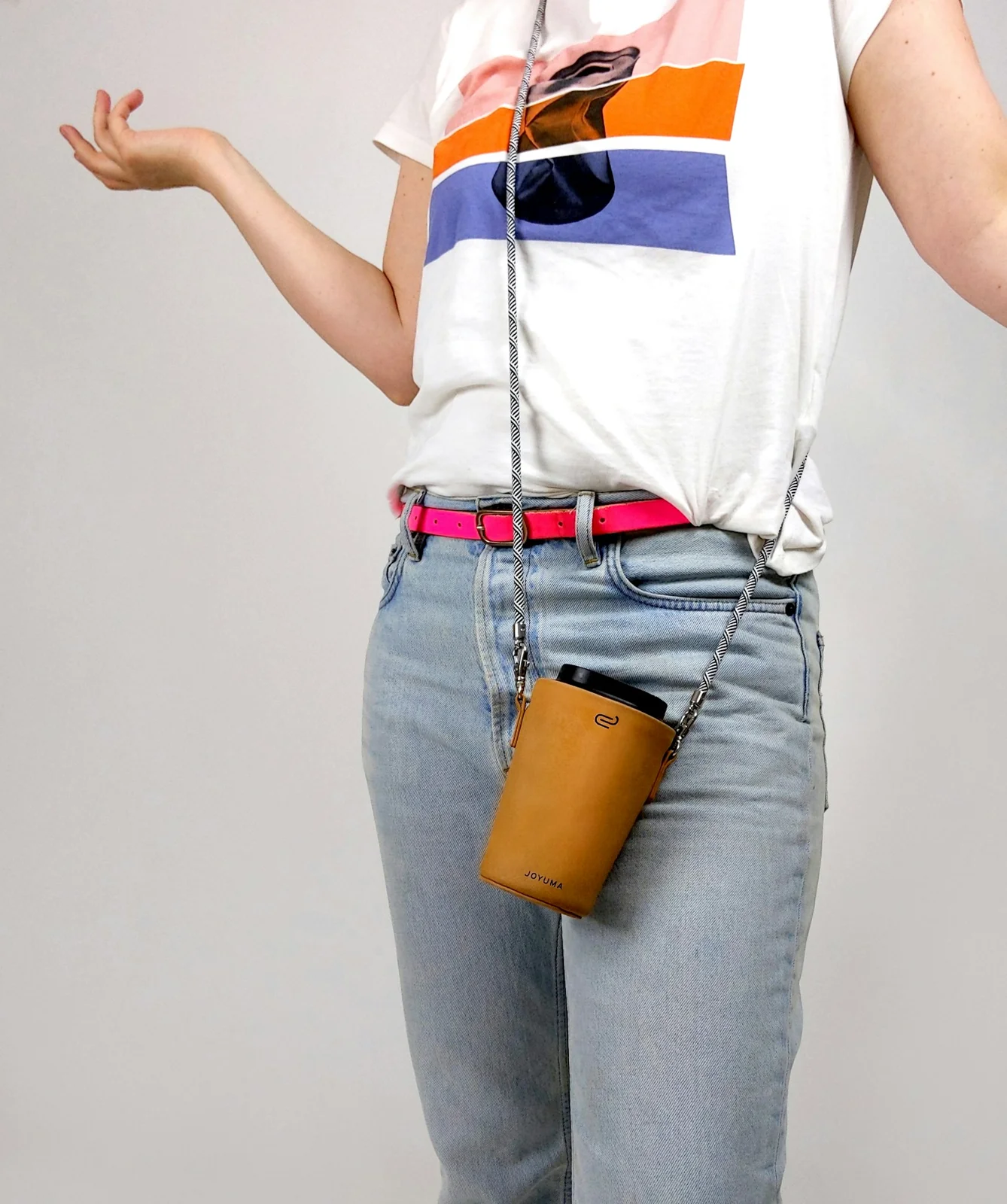
A Coffee-Run Outfit That Can Handle the Rest of Your Morning
A Coffee-Run Outfit That Can Handle the Rest of Your Morning. Practical fit checks, outfit decisions and buying advice for everyday life.
Read the story →
A Relaxed Dinner Outfit Built From Everyday Clothes
A Relaxed Dinner Outfit Built From Everyday Clothes. Practical fit checks, outfit decisions and buying advice for everyday life.
Read the story →