
Keep Open-Shelf Everyday Dishes Genuinely Ready
Keep everyday dishes on open shelves genuinely ready through appropriate use, supported storage, comfortable retrieval, complete cleaning, and a manageable shelf reset.
Shopping disclosure: retailer links in this story are ordinary links; we currently earn no commissions. If we add affiliate links in future, they will be identified. Our full disclosure.
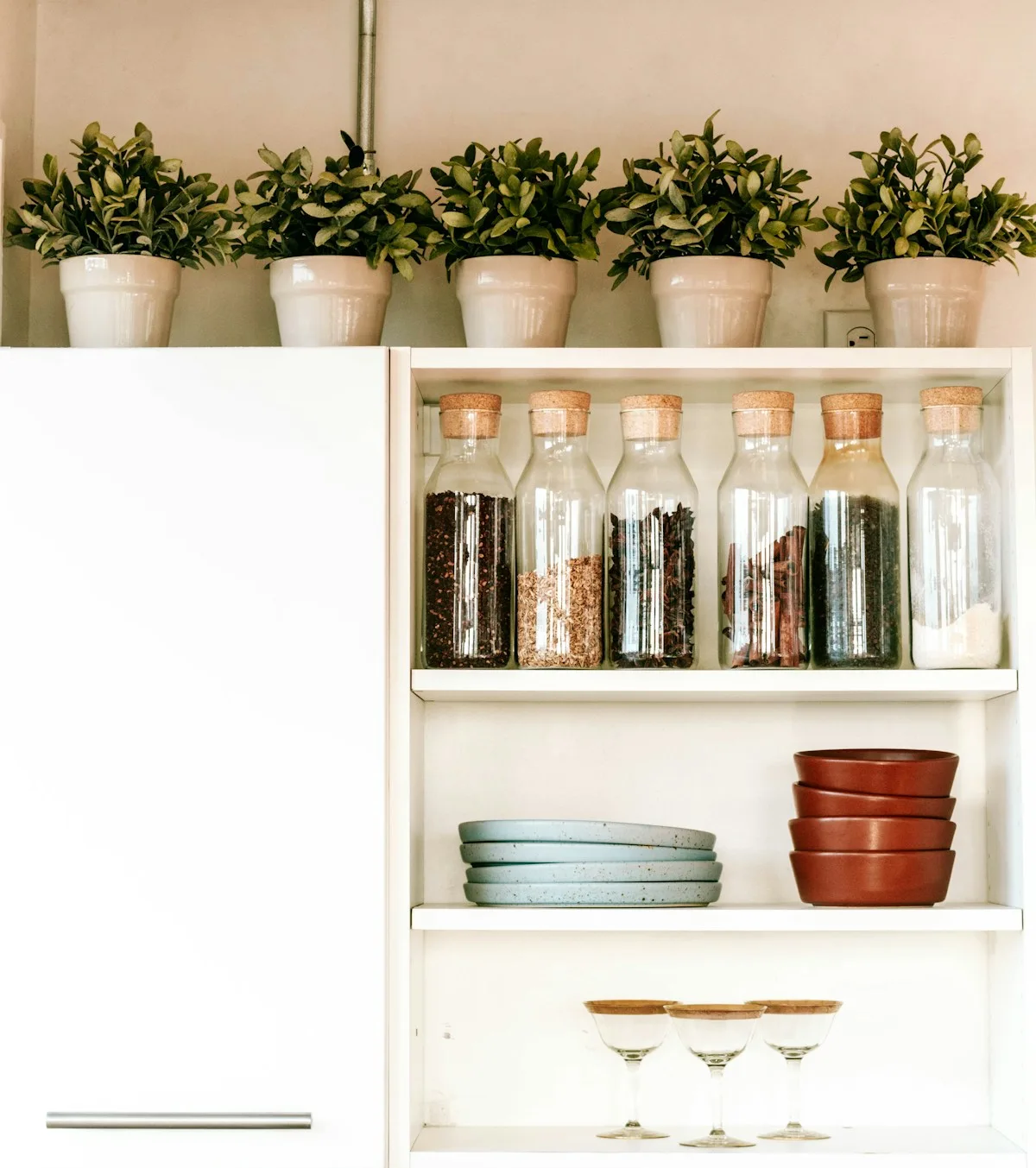
Open shelving makes everyday dishes visible, which can make readiness look more obvious than it is. A plate may be attractive on a shelf yet awkward to retrieve or due for care before use. Build the arrangement around clean, suitable equipment and the meal it will serve, then let the display follow that practical role.
Name the dishes that belong there
Choose the pieces used for ordinary meals rather than filling the shelf with everything that matches a color palette. Consider the actual users, reach, and safe handling of complete stacks. Ask a qualified professional about shelf installation, support, or loading if any of those requirements are unclear.
Check the dishes’ own care instructions. Decorative objects and food-use equipment are not interchangeable merely because they look similar. Keep reliable information about the intended use of a piece, especially when it was acquired without packaging or has an unusual finish.
Make retrieval uncomplicated
Watch how one everyday place setting comes off the shelf. Can you reach it comfortably without leaning over unrelated objects or lifting a large stack? Move decorative items that block ordinary access rather than making daily meals depend on a carefully choreographed retrieval.
The mug cupboard handle-space guide can help you think about complete object dimensions. Include handles, rims, neighboring stacks, and the path of your hand. A shelf arrangement needs to fit occupied use, not just the width of each item when photographed head-on.
Keep ready and used stages distinct
Return dishes only after appropriate cleaning and the rest of their care process. Follow safe food-handling guidance when preparing and serving meals. An open shelf does not make a piece ready indefinitely; inspect what you are about to use and clean it as appropriate for the item and circumstances.
Avoid storing food or unsuitable products alongside dishes in a way that conflicts with their guidance. Keep the shelf itself maintainable through appropriate material care. A simpler arrangement often makes it easier to notice what needs attention, but do not infer cleanliness solely from an uncluttered appearance.
Complete a small shelf reset
Choose one manageable section. Remove items carefully, provide suitable care, and return the everyday group with comfortable access. Separate objects that belong elsewhere and finish those moves. Do not turn one obstructed breakfast shelf into an unfinished room-wide sorting project.
The relaxed linen table guide can connect the selected dishes to a complete meal setting. If a piece rarely fits the meals you serve, decide whether it deserves a different suitable place rather than keeping it in the easiest everyday position simply because you enjoy its pattern.
Should every open shelf be decorative? That is a personal choice. For an everyday dish shelf, useful readiness is a good starting point. You can enjoy the appearance while keeping the pieces appropriate, cared for, supported correctly, and comfortable to retrieve during an ordinary meal.
Planning references: FDA: Safe Food Handling. Confirm current arrangements with the relevant provider.
A little more to adore

Give Bedside Glasses a Suitable Case and a Clear Place
Give bedside glasses an appropriate case, specific care, stable clear placement, comfortable access, separate belongings, and a complete morning handover.
Read the story →
Close the Desk Notebook with a Clear Next Step
Close a desk notebook with appropriate privacy, one precise next step, a suitable page marker, clear loose-paper routes, safe tool storage, and an easy restart.
Read the story →