
Close the Desk Notebook with a Clear Next Step
Close a desk notebook with appropriate privacy, one precise next step, a suitable page marker, clear loose-paper routes, safe tool storage, and an easy restart.
Shopping disclosure: retailer links in this story are ordinary links; we currently earn no commissions. If we add affiliate links in future, they will be identified. Our full disclosure.
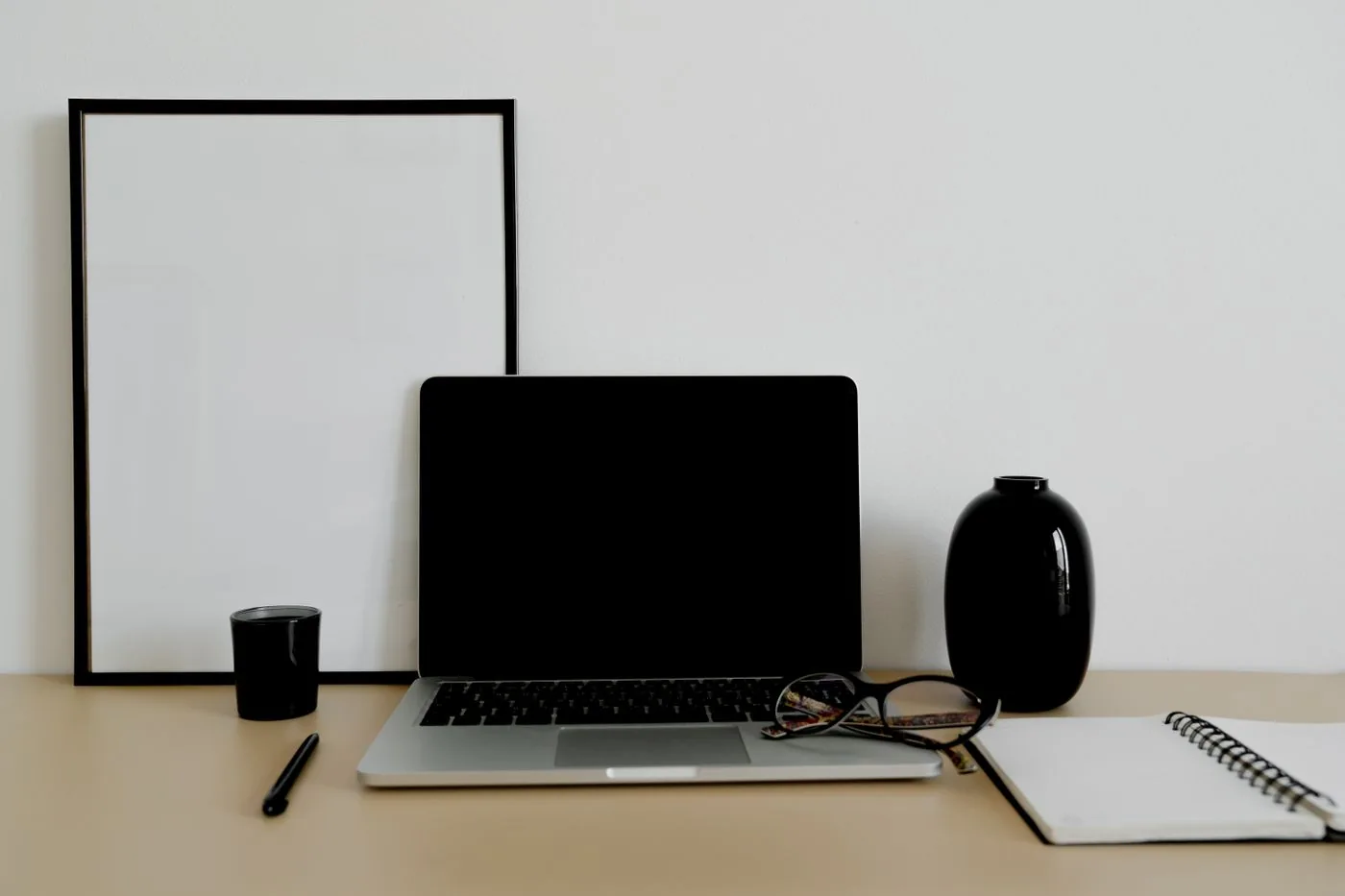
A notebook left open on a desk can preserve useful work or simply display unfinished thoughts all evening. Give it a brief closing routine that fits the contents and your responsibilities. The useful result is a clear next step and appropriate secure storage, rather than rewriting the whole day before you can leave the desk.
Identify what the notebook holds
Separate current actions, reference information, and personal reflections. They do not all need the same closing treatment. Follow any relevant workplace confidentiality or record requirements instead of assuming a personal notebook can be stored anywhere.
Keep sensitive information appropriately protected. An open page may be visible to visitors or other people using the room. Choose storage according to the actual contents and household circumstances, not the attractiveness of a permanently open spread.
Choose the next meaningful action
Write one precise step for the task you expect to resume. Include the necessary context without copying every note again. A useful reminder might identify the document to review or the question to resolve, rather than merely saying continue project.
Do not turn the closing routine into a demand to complete everything. Some work needs an agreed deadline or another person's input. Record the relevant confirmed arrangement and leave the task in an understandable state.
Mark the page simply
Use a suitable bookmark or the notebook's intended feature. Avoid attaching something that strains the binding or damages the page. A small clear marker can be more useful than several tabs whose meanings are forgotten.
Keep loose papers organized according to their requirements. If they belong to another system, move them there rather than using the notebook as indefinite document storage. A notebook can hold notes without becoming the whole desk drawer.
Return tools to a useful place
Close pens appropriately and store them according to their instructions. Keep small or sharp objects on a suitable secure route. Clear the immediate work area while preserving anything that genuinely needs to remain set up.
If the desk is shared, agree what can stay and what should be moved. A brief predictable handover can prevent another household member from having to interpret your unfinished arrangement. The closing routine should support the room's real uses.
Restart without an overhaul
At the next session, read the marked step and check whether circumstances have changed. Revise the action when needed rather than treating yesterday's note as an unquestionable instruction. The notebook is a useful aid, not a promise that every plan remains current.
Must I rewrite a daily task list? Keep only the context needed. Should every page be tabbed? Use a simple understandable marker. Can the notebook stay open? Assess privacy, contents, and shared use.
Our Sunday-home reset considers the wider household handover. The reading-corner guide offers a separate place for leisure after work.
A little more to adore

Give Bedside Glasses a Suitable Case and a Clear Place
Give bedside glasses an appropriate case, specific care, stable clear placement, comfortable access, separate belongings, and a complete morning handover.
Read the story →
Give a Kitchen Towel a Clear Hanging and Care Route
Give kitchen towels clear roles and a complete hanging and care route, using suitable placement, visible condition, manageable reserves, and shared household habits.
Read the story →