
Put a Printed Recipe in Order Before Preparing Its Ingredients
Put a printed recipe’s pages, quantities and method in order before preparation, checking missing sections and preserving the actual version you will follow.
Shopping disclosure: retailer links in this story are ordinary links; we currently earn no commissions. If we add affiliate links in future, they will be identified. Our full disclosure.
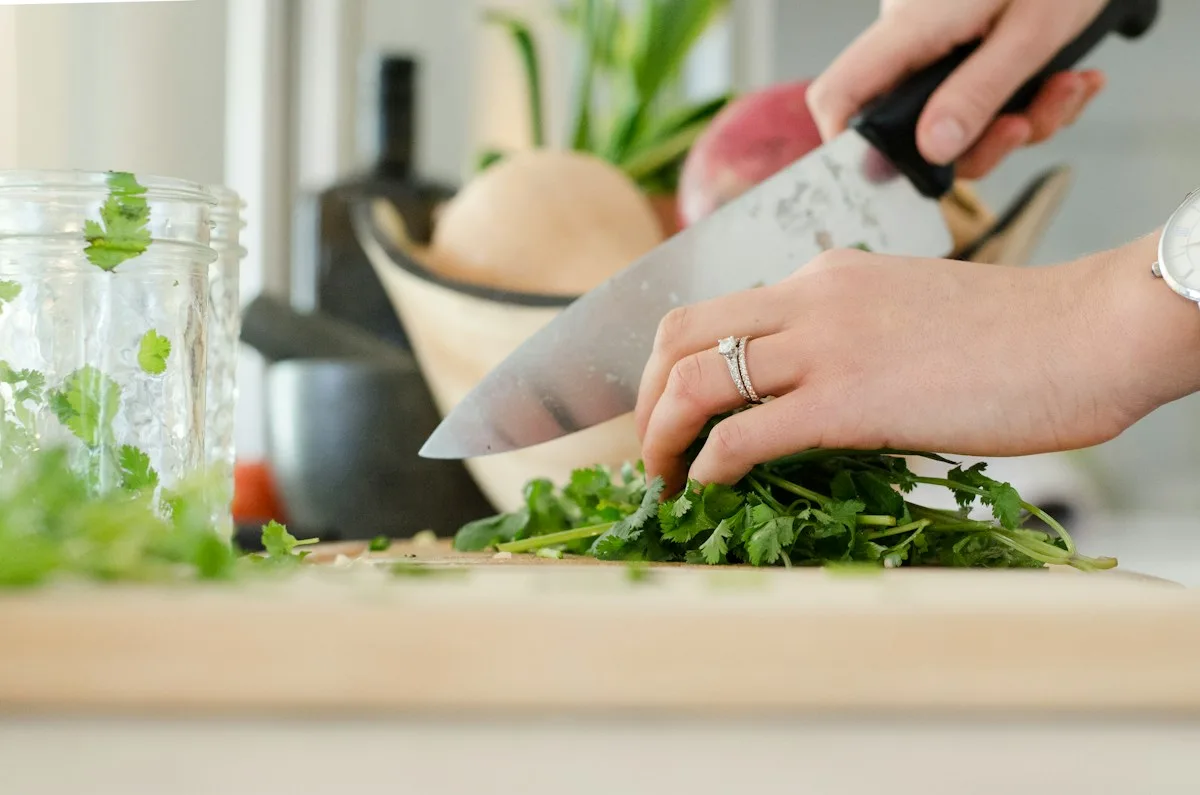
A printed recipe should form a complete readable sequence before you begin preparing ingredients. A missing second page, a detached note or a cropped quantity can create confusion after the bowl is already in use. Put the actual version in order first, keeping the method and its source together so the printout works as instructions rather than an incomplete reminder.
Identify the recipe version
Keep the title and appropriate source reference with the pages. If you printed an adaptation or saved version, record which one it is. A familiar dish name does not establish that two printouts contain the same quantities, equipment or method.
Use material you can appropriately access and print. Do not remove attribution or present another person's recipe as your own because the page has become part of a household folder. The source connection helps you return to relevant notes or a correction when needed.
Check the complete page sequence
Look at page numbers, headings and the flow of the text. Verify that a paragraph or ingredient list does not stop at the bottom with its continuation missing. A page can look neatly formatted while being only one part of the recipe you intended to follow.
Keep both sides in view if the printout is double-sided. Decide how you will refer to the method without covering a relevant instruction beneath another page. A simple suitable folder or stand can support access, but follow the product's actual intended use in the kitchen.
Connect quantities to stages
Read the ingredient list beside the full method and preserve any divided amount, qualifier or optional element. Avoid copying a shortened list onto another page if that loses the relationship to the actual instructions. The preparation should follow the recipe rather than whichever fragment is easiest to see.
The cookbook gift guide offers a related practical check about complete methods and real kitchens. Apply that same attention to a printed recipe even when it occupies only a few sheets instead of a bound book.
Keep personal notes identifiable
Mark your own observations separately from the original method. A previous substitution, question or timing note should not look like a confirmed instruction supplied by the source. If you intend to repeat a change, use an appropriate dependable basis and preserve the distinction clearly.
Use appropriate food-safety guidance and actual product information for handling and equipment questions. A complete printout is useful preparation, but it is not evidence that every possible variation or storage plan is appropriate.
Place the pages for actual use
Choose a suitable position that leaves the work area practical and protects relevant information from becoming unreadable. Do not obstruct the kitchen route or place papers where the equipment's instructions make them inappropriate. The method should be accessible without competing with the actual preparation.
The desk notebook closing guide supports a clear ending to a paper task. After cooking, review the recipe notes, remove obsolete duplicates through an appropriate process and return the current version to an understood place. A complete sequence is easier to use again than a growing stack of unexplained fragments.
A little more to adore

Give Bedside Glasses a Suitable Case and a Clear Place
Give bedside glasses an appropriate case, specific care, stable clear placement, comfortable access, separate belongings, and a complete morning handover.
Read the story →
Choose a Bedside Lamp Through Switch Reach
A bedside lamp is easier to choose when its switch can be reached through the way the bed is actually used. A photograph of a lamp on a table says little about that ordinary m
Read the story →