
Use an Overshirt as a Comfortable Indoor Layer
Use an overshirt as an indoor layer by testing the base outfit, seated movement, fastenings, cuffs, appropriate pockets, care, and its clear wardrobe role.
Shopping disclosure: retailer links in this story are ordinary links; we currently earn no commissions. If we add affiliate links in future, they will be identified. Our full disclosure.

An overshirt can add a useful layer to an ordinary indoor outfit, but its fit needs to work beyond an outdoor photograph. Test it seated, open and fastened, over the clothes you actually wear at home or at a casual workplace. The right piece should move comfortably and remain easy to care for through repeated use.
Choose the base outfit first
Put on the intended top and trousers or skirt. Check how the overshirt sits over that actual fabric combination. A thin tee and a textured knit can need different room through the shoulders and sleeves.
Avoid choosing an oversized label as a substitute for a fit assessment. Compare the exact garment's measurements and your preferences. Extra fabric can feel comfortable, but it can also interfere with a chair or the tasks you perform.
Try ordinary seated movement
Sit at a desk or table and reach comfortably for familiar objects. Notice pulling across the back, pressure at the elbow, and fabric bunching beneath you. A standing silhouette does not establish comfort during the longest part of the day.
Try the fastening positions you expect to use. If the overshirt is only comfortable open, decide whether that serves its intended role. Do not depend on a styling photograph to justify a configuration that feels awkward to you.
Check cuffs and practical tasks
Assess sleeve length with the actual activities ahead. Use fastenings and folds only as appropriate to the construction. Keep loose clothing clear of equipment and hazards, following relevant safety guidance for any task.
Look at pockets separately. A pocket's presence does not mean it should carry every personal object. Heavy contents can change the garment's hang and seated comfort. Keep important belongings on an appropriate secure route.
Read the maintenance requirements
Check composition, laundering, drying, and any pressing requirements. Choose care that fits the frequency of use. A layer intended for ordinary repetition becomes less convenient when its maintenance is incompatible with your routine.
After appropriate care, reassess the fit and condition. If the shirt needs repair or adjustment, resolve it through suitable guidance or professional help. Do not let a small fault turn the otherwise useful layer into something you repeatedly avoid.
Assign a clear wardrobe role
Try it over a few wanted existing outfits. If it works in only one narrow combination, decide whether that use justifies the purchase or storage. A useful layer can be familiar and modest; it need not become the main feature of every outfit.
Is an overshirt suitable for every workplace? Check actual requirements. Should it always be loose? Choose comfortable fit for the use. Can it replace outerwear? Assess conditions and its intended purpose separately.
Our cotton-tee guide starts with the base layer. The workday-layers guide considers the surrounding wardrobe.
A little more to adore
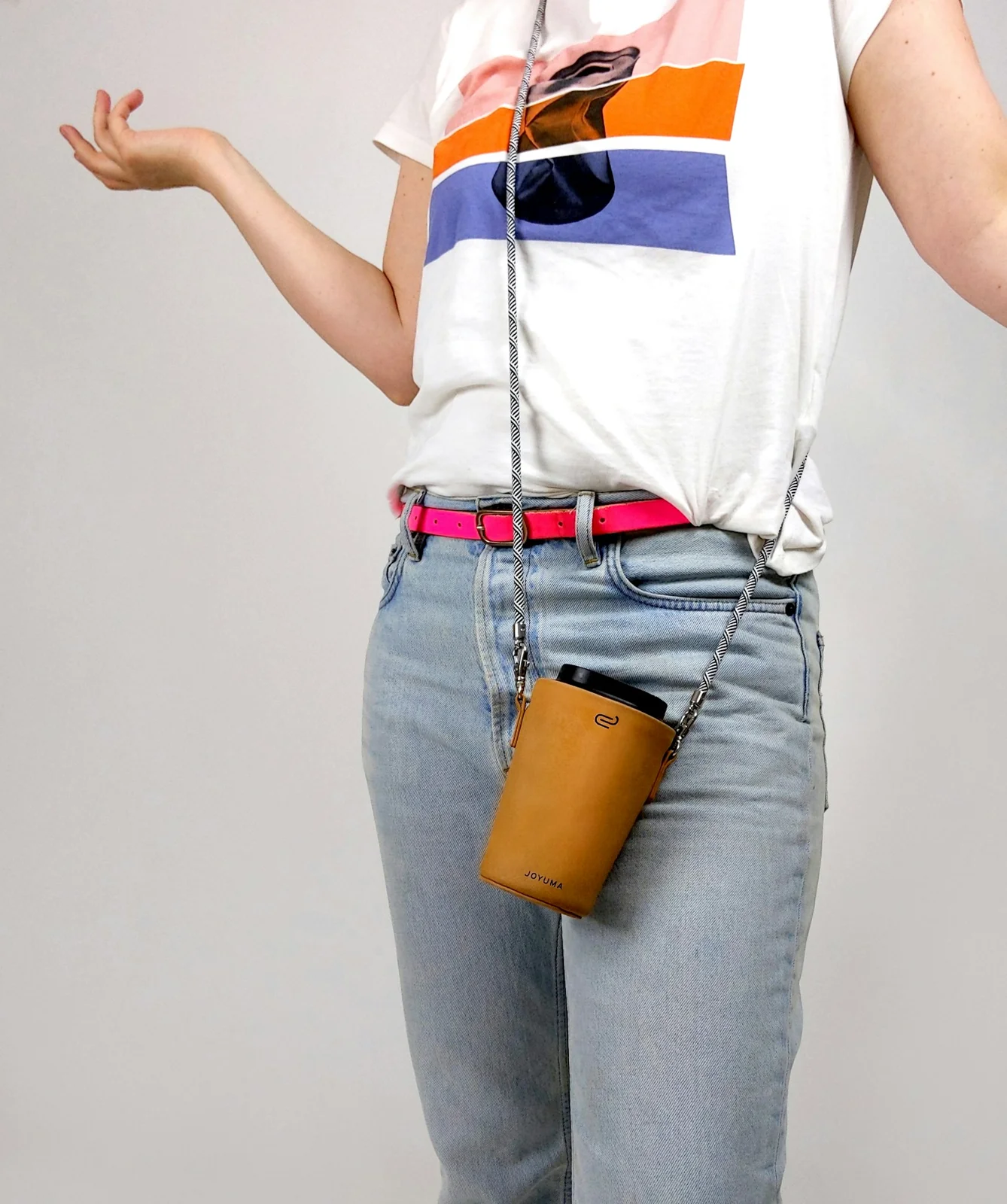
A Coffee-Run Outfit That Can Handle the Rest of Your Morning
A Coffee-Run Outfit That Can Handle the Rest of Your Morning. Practical fit checks, outfit decisions and buying advice for everyday life.
Read the story →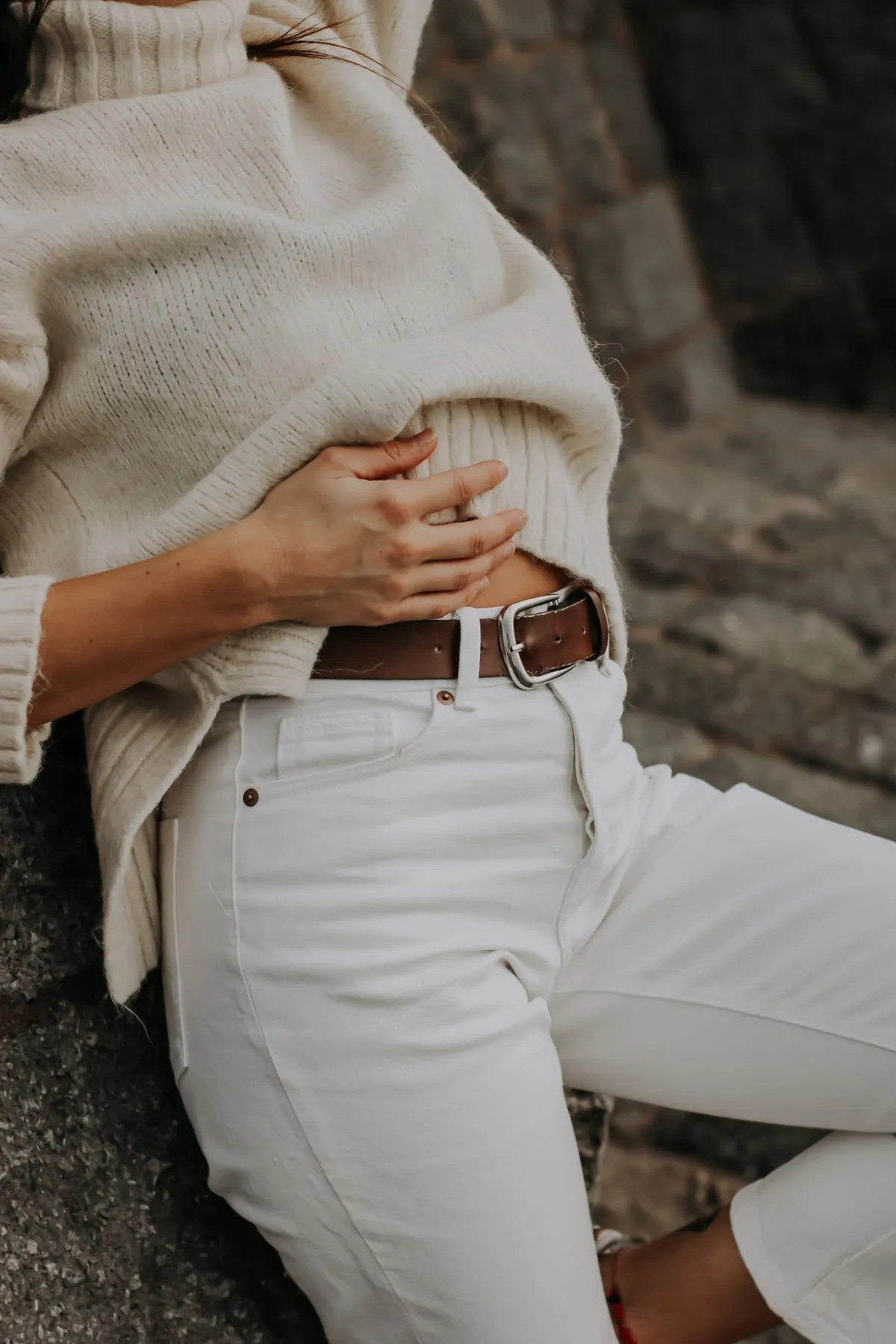
Check an Everyday Belt While Seated, Not Only in the Mirror
Check an everyday belt with the real trousers, seated fit, intended tuck, outer layer, bag, material care, and any appropriate professional adjustment.
Read the story →