
Check an Everyday Belt While Seated, Not Only in the Mirror
Check an everyday belt with the real trousers, seated fit, intended tuck, outer layer, bag, material care, and any appropriate professional adjustment.
Shopping disclosure: retailer links in this story are ordinary links; we currently earn no commissions. If we add affiliate links in future, they will be identified. Our full disclosure.
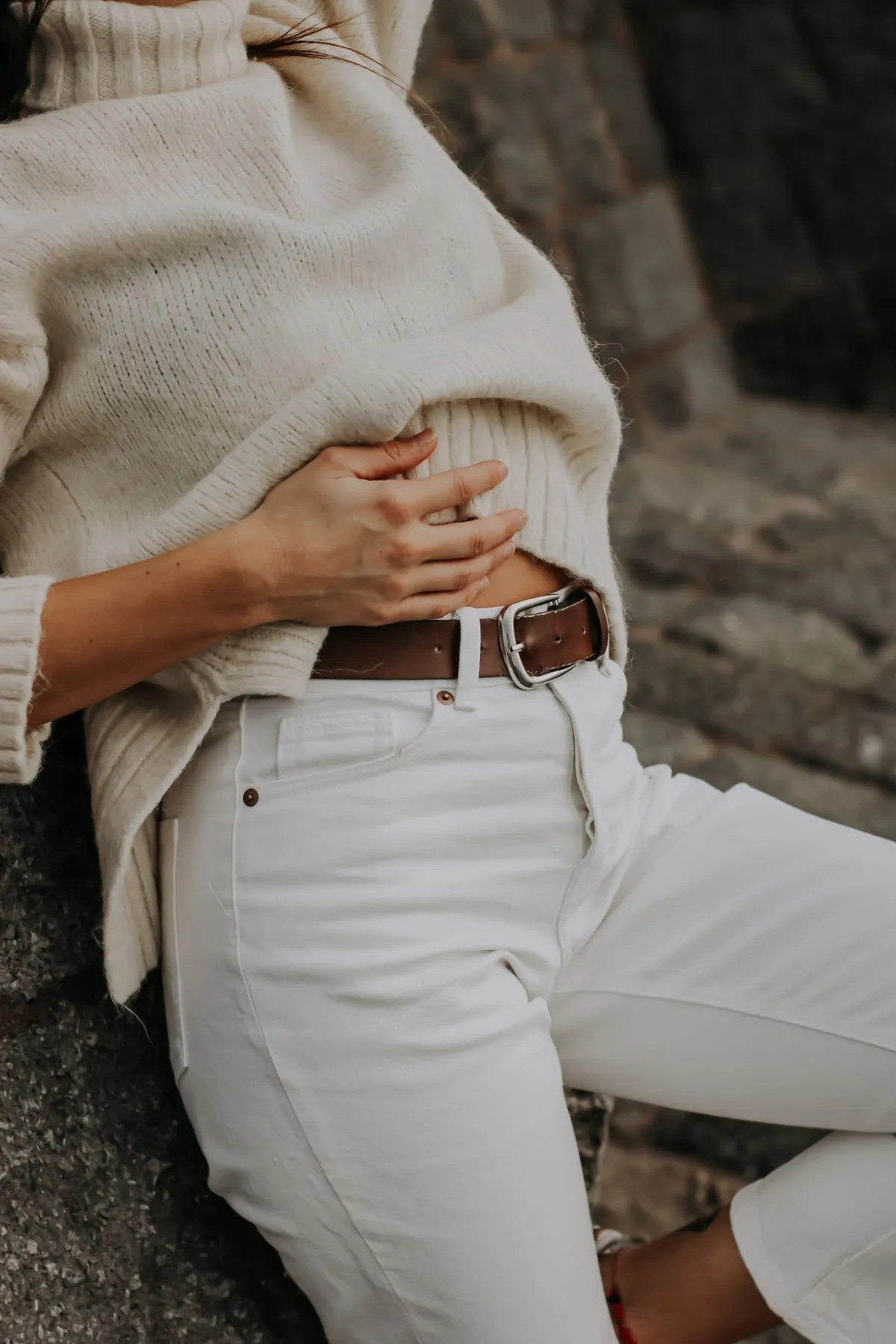
An everyday belt can make an outfit look finished while creating pressure the moment you sit down. Test it with the actual trousers and the activities ahead. The useful choice holds or styles the garment as intended without requiring repeated adjustments throughout a meal, commute, or ordinary working day.
Decide what the belt is doing
Separate holding trousers comfortably from adding a decorative detail. A belt can serve both roles, but it cannot reliably solve every underlying fit problem. If the waistband repeatedly slides or pulls, assess the trousers before buying a tighter belt.
Use the belt with the actual loops and fastening. Check its width and the buckle's clearance against the garment. A size label does not establish compatibility with every pair of trousers in your wardrobe.
Try the standing and seated positions
Fasten the belt using the intended method and stand naturally. Then sit in an ordinary chair, lean forward slightly as you normally would, and stand again. Notice pressure at the buckle, waistband, and back.
Do not choose a fitting position based only on the smallest waist measurement you can briefly tolerate. Your ordinary movements need room. If comfort depends on unfastening the belt each time you sit, consider a different arrangement or trouser fit.
Add the shirt and outer layer
Try the belt with the intended tuck and jacket. A thick tuck changes the space inside the waistband, and a large buckle can affect how another layer falls. Assess the complete outfit rather than judging a belt laid beside the clothes.
Look at where a bag rests against the buckle or belt edge. Hardware that rubs can affect both garments and accessories. A smaller or differently shaped suitable buckle may solve a specific problem without changing the whole outfit.
Read the material and care details
Check the exact belt's construction, adjustment system, and care instructions. Leather-looking materials and genuine leather products can have different requirements. Do not apply a treatment simply because it worked on another accessory.
If additional holes or shortening seem necessary, consult appropriate guidance or a competent professional. An alteration can affect appearance and function. Include the complete cost before deciding a bargain belt is worth adapting.
Assign it to real outfits
Test the belt with the few trousers you actually expect it to accompany. Keep the combinations that work comfortably. A belt does not need to match every shoe or bag if those relationships are not part of your preferences.
Can a belt fix loose trousers? Assess the underlying fit. Should one size serve every rise? Test each actual garment. Is a large buckle impractical? It depends on the outfit and your seated use.
Our straight-jeans guide starts with garment fit. The relaxed-dinner outfit considers comfort through a longer seated occasion.
A little more to adore
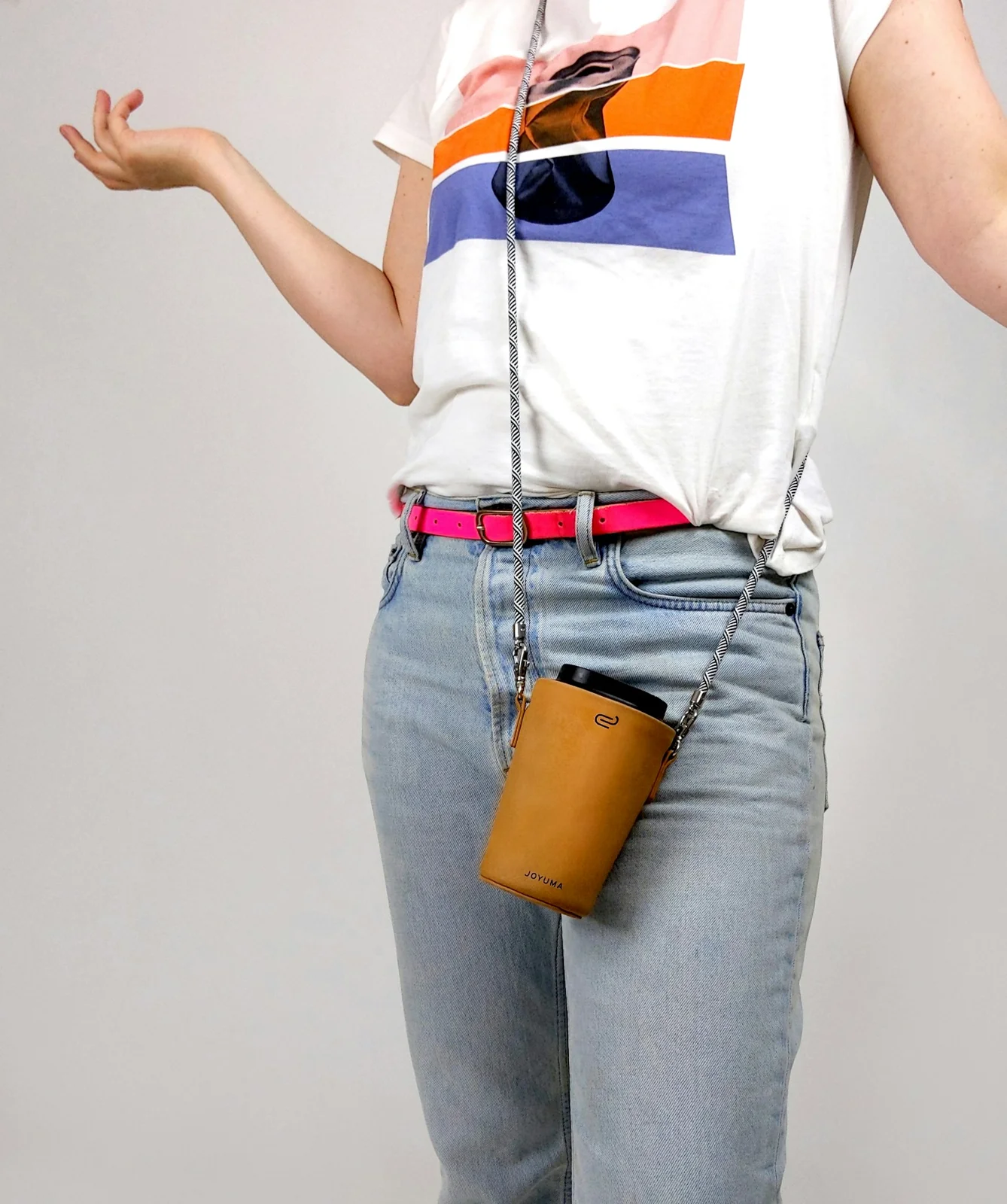
A Coffee-Run Outfit That Can Handle the Rest of Your Morning
A Coffee-Run Outfit That Can Handle the Rest of Your Morning. Practical fit checks, outfit decisions and buying advice for everyday life.
Read the story →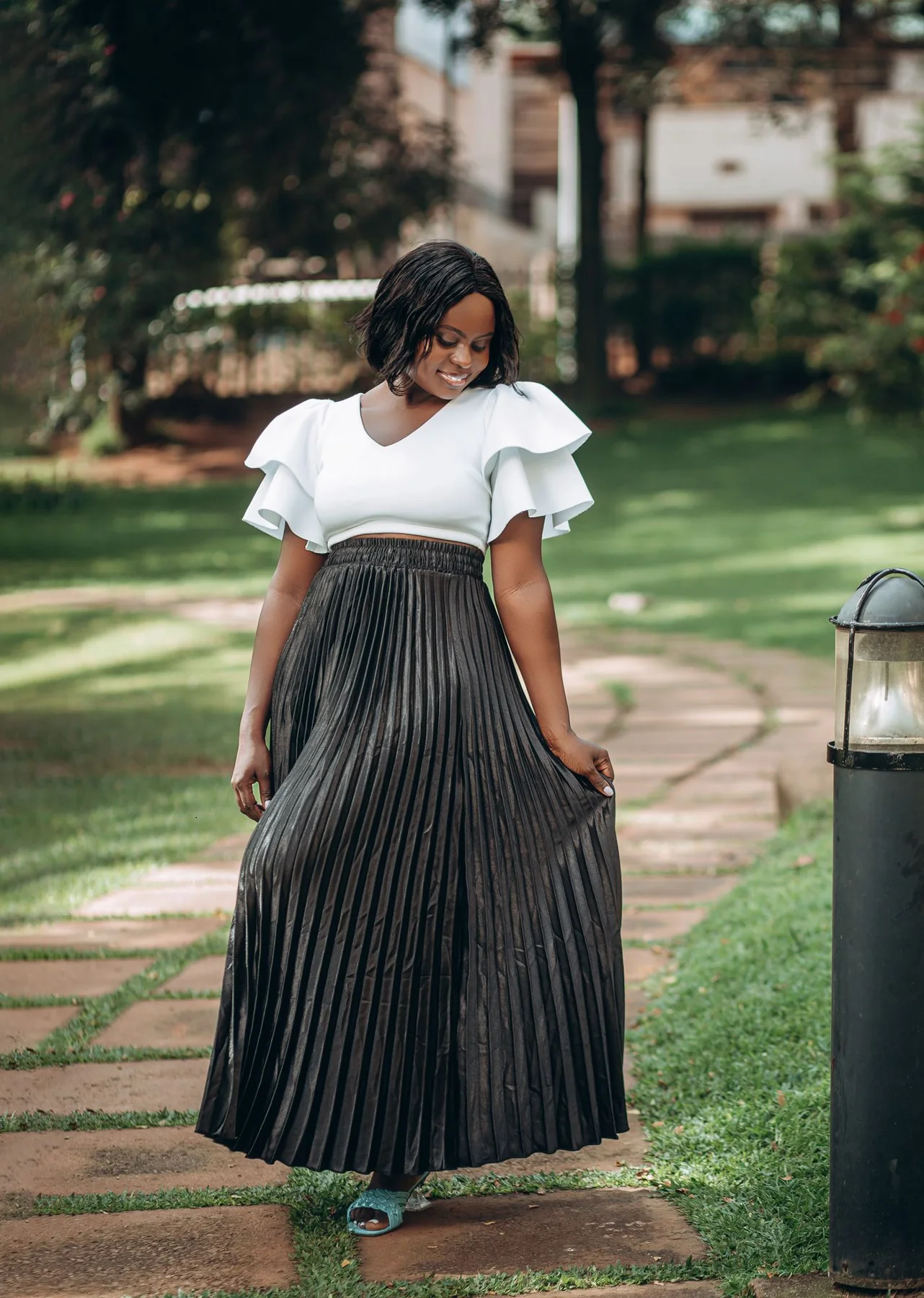
Pair a Midi Skirt with Flats for the Route You Will Walk
Pair a midi skirt with familiar flats by checking the moving hem, seated waistband, actual top, outer layer, loaded bag, care, and the route you will walk.
Read the story →