
Choose a Mirror Through the Occupied Room View
Choose a mirror through its actual task, occupied room reflections, personal privacy, complete dimensions, appropriate professional installation, and realistic care access.
Shopping disclosure: retailer links in this story are ordinary links; we currently earn no commissions. If we add affiliate links in future, they will be identified. Our full disclosure.
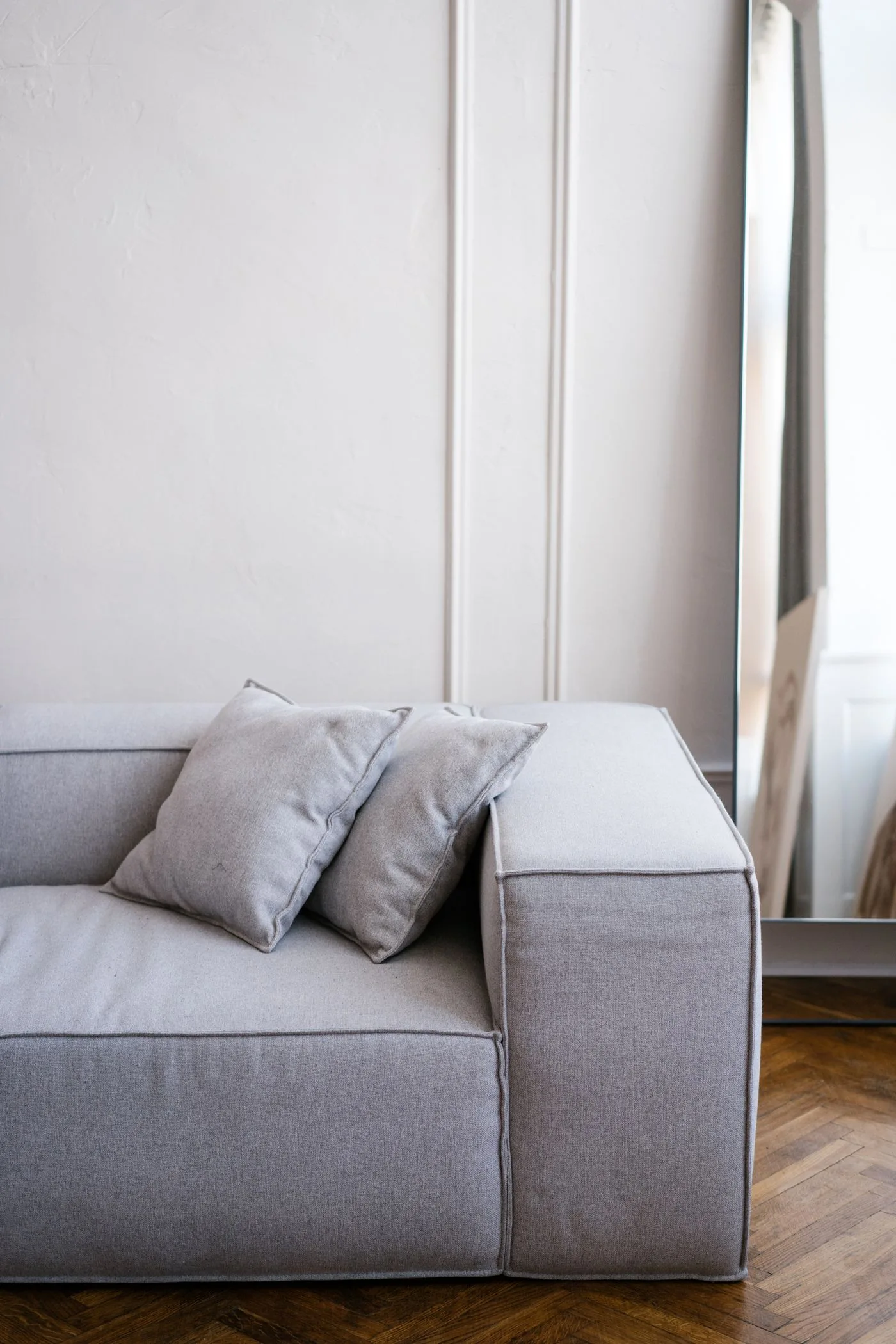
A mirror reflects a room that is being used, not only the view you see while standing in front of it. Before choosing its size or position, sit in the usual chair, pass through the doorway, and consider what other people can see. Those occupied views make the decision more useful than an empty-room photograph.
Start with the intended task
Decide whether the mirror is for checking an outfit, a particular seated task, or a decorative reflection. One position may not perform all three roles equally well. Name the primary use, then identify the person who will use it and the comfortable place from which they need to see.
Measure the complete product, including the frame and any stand. Read the mounting or support requirements for that exact item. Ask a qualified professional about suitable installation where needed. A visual preference is not a substitute for appropriate support, wall suitability, or the product’s own instructions.
Look from occupied positions
Sit where someone normally reads, eats, or works. Check the reflection without rearranging the room into a special display. Consider open doors, everyday storage, and personal activities that may become visible from an entrance. Decide whether the resulting view respects the household’s preferences and privacy.
The reading-corner guide can help when the mirror shares a space with seated use. Include the actual lamp, chair, and nearby movement. A mirror chosen only from a standing viewpoint may create a distracting reflection for the person who spends the most time in the room.
Observe the room at relevant times
Look at the space when you actually use it, including changes in available light. If glare or another problem appears, reconsider the position and seek suitable guidance for the setting. Avoid assuming a mirror will improve every room simply because it reflects a window in a photograph.
Use safe planning methods rather than balancing an unsecured mirror against furniture to try a look. Measurements, a suitable paper outline, and professional advice can help evaluate scale without leaving a heavy or breakable object improperly supported. Follow the actual product instructions throughout the decision.
Keep the surroundings usable
Check access to doors, switches, storage, and circulation. Include whatever furniture will remain beneath or beside the mirror. The small entryway reset offers a useful way to identify the objects and movements that compete for a limited wall area.
Plan appropriate cleaning and access before installation. A high or awkward position may make routine care difficult. Keep the manufacturer’s information so that cleaning products and handling are suitable for the frame, backing, and mirror construction rather than borrowed from advice for a different object.
Will a larger mirror make the room better? Size alone does not establish that. Choose through the task, occupied reflections, comfortable viewing, suitable installation, and the real room’s use. A modest mirror in a considered position can be more useful than a larger one selected without those checks.
A little more to adore
Give Bedside Glasses a Suitable Case and a Clear Place
Give bedside glasses an appropriate case, specific care, stable clear placement, comfortable access, separate belongings, and a complete morning handover.
Read the story →
Close the Desk Notebook with a Clear Next Step
Close a desk notebook with appropriate privacy, one precise next step, a suitable page marker, clear loose-paper routes, safe tool storage, and an easy restart.
Read the story →