
Give a Handmade Gift with the Information You Actually Know
Give a handmade gift with clear known material or ingredient information, separating a personal making story from care or suitability claims you have not established.
Shopping disclosure: links within this story are ordinary retailer links. Separately identified advertisements elsewhere on the page may contain affiliate links. Our full disclosure.
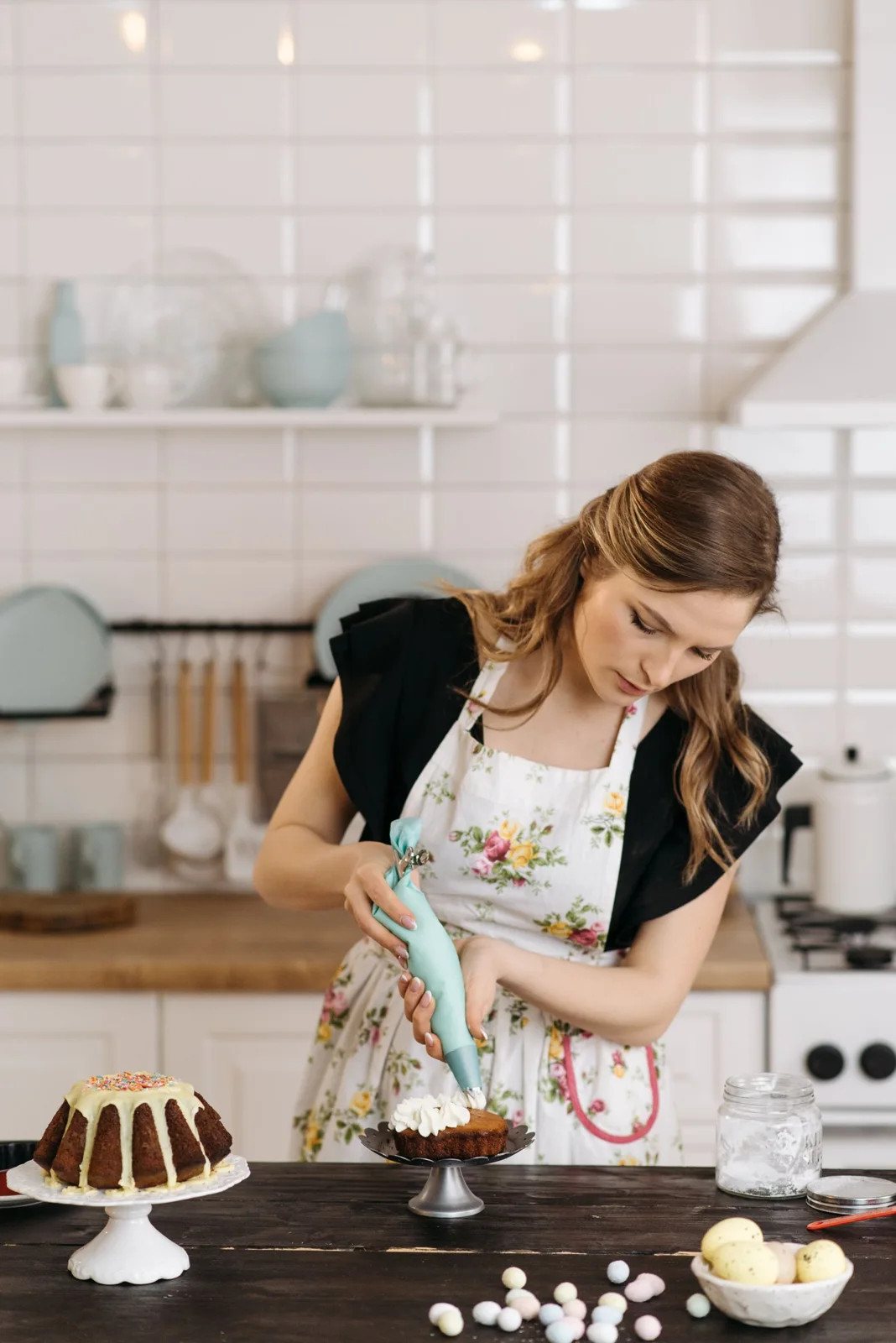
A handmade gift can be personal while still needing clear practical information. Give the details you actually know about the materials or ingredients, and keep a making story separate from care or suitability claims. The recipient should not have to infer what an object contains or how to handle it from the fact that someone made it thoughtfully. Warmth and accurate information can sit beside each other without turning the gift into a technical document.
Record what was actually used
Keep relevant product references, labels or reliable recipe information while making the gift. A memory of a broad material name may not identify the specific item later. If another person made it, ask what information they can establish rather than filling a gap with your own guess.
Do not use appearance alone to name a fibre, finish or ingredient. A handmade object can contain components that are not visible in the final result. The information you supply should be no more certain than the sources you actually have.
Separate the known details from the personal note
A small card can explain why you made or chose the gift, while another clear reference preserves the practical information. Keep important wording intact instead of shortening it until the meaning changes. The recipient can appreciate the story without needing it to replace instructions.
If you used a published method or design, preserve the appropriate source and basis for the use. Do not present another person's work as your own original invention. A gift can be personally made without requiring an unsupported claim about where the method began.
Keep care and suitability on their proper basis
Use the relevant reliable guidance for the actual materials and object. Do not promise that something is easy to clean, suitable for every person or harmless in any setting because it was made at home. An unresolved requirement should remain open until it has an appropriate answer.
For food, important ingredient, preparation, handling and dietary questions need their proper reliable information. This article does not provide those instructions. The meal-gift handover guide helps keep the actual exchange agreed rather than assuming a thoughtful edible gift fits every moment.
Give the recipient room to decide
Explain any genuine practical need before the handover. An object that requires a particular place, routine or commitment should not arrive with that demand hidden behind a decorative message. Ask whether it is wanted when the gift's care would materially affect the recipient's life.
The art-material recipient-choice guide considers a related distinction between enthusiasm for a gesture and an actual decision about materials someone will use.
Finish with clear known information, a modest personal connection and honest gaps where needed. You do not have to invent a complete provenance or care story to make the object feel finished. A handmade gift is easier to receive when the person can understand what has been offered and keep control of how, or whether, it becomes part of their ordinary life.
A little more to adore

Choose an Art-Material Gift with Its Intended User
Art materials make a more useful gift when the intended user helps define the choice. Paint, paper and tools can depend on a person's preferred medium and working conditions.
Read the story →
Choose a Board-Game Gift Through the Actual Players
Choose a board-game gift through actual players, the correct edition, official guidance, complete table space, realistic preparation, and the recipient’s own schedule.
Read the story →