
Give a Meal Through a Suitable Agreed Handover
Give a meal through an agreed suitable handover, accurate dietary needs, reliable ingredients, appropriate food care, suitable containers, and a clear recipient next step.
Shopping disclosure: retailer links in this story are ordinary links; we currently earn no commissions. If we add affiliate links in future, they will be identified. Our full disclosure.
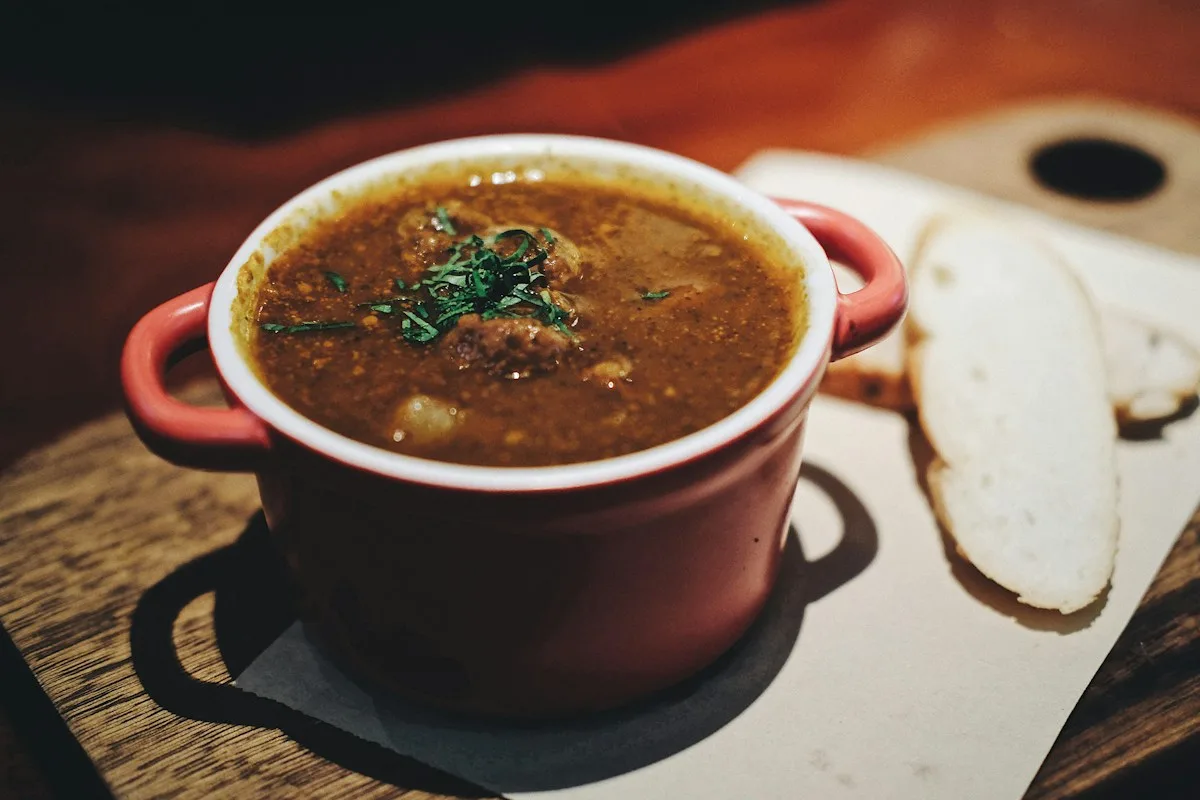
A meal can be a useful gift when it is wanted and its handover fits the recipient’s day. Begin with agreement about the food and timing. A generous intention is only one part of the task; ingredients, appropriate handling, containers, and clear information make the gift understandable to the person receiving it.
Agree before cooking
Ask whether a meal would help, what the recipient can eat, and when they can receive it. Check relevant dietary requirements directly. Do not assume a familiar dish is suitable because you have shared it before or because its title sounds simple. If you cannot meet a requirement reliably, discuss an appropriate alternative rather than improvising a claim.
Choose a complete recipe you can follow with suitable equipment. Keep ingredient information accurate, including packaged ingredients and relevant labels. For allergy concerns, seek reliable guidance and communicate honestly about what you can and cannot establish. Avoid describing a home-prepared meal as free from something unless you can substantiate that statement appropriately.
Plan the handover with food care
Follow safe food-handling guidance through preparation, storage, transport, and delivery. Agree a realistic receiving arrangement so the meal does not wait unattended in an unsuitable place. The recipient should understand the next appropriate step rather than having to guess from the temperature of a container.
Use food-suitable containers for the exact task, following their instructions. Consider filled handling and closure as well as portion size. Do not use a decorative vessel merely because it makes an attractive gift photograph. Include clear retained information about ingredients and suitable use without inventing a universal reheating method.
Reduce the recipient’s decisions
Tell the recipient what is included and what remains to be done. If a separate component needs different handling, make that understandable. Keep the amount appropriate for the agreement and available storage rather than maximizing quantity as a measure of generosity.
The thoughtful host-gifts guide can help distinguish a wanted contribution from an unexpected obligation. A meal gift should not require the recipient to serve a particular dinner, host an extra visitor, or return a special container on a difficult timetable.
Complete the container arrangement
Say clearly whether a container needs to come back and agree a manageable plan if it does. A suitable container the recipient may keep can remove that task when it fits the circumstances. Avoid adding elaborate packaging that makes identification or safe handling harder.
The useful little-gifts guide offers a reminder that the useful part of a gift may be small and specific. Respect a request for a modest portion, a different date, or no meal at all. The agreement is what makes the gesture fit the person.
Should I leave food as a doorstep surprise? Arrange an appropriate handover instead. The recipient’s availability, dietary needs, and safe handling matter more than preserving surprise. Clear communication is part of the gift, particularly when the food needs an immediate next step.
Planning references: FDA: Safe Food Handling, FDA: Food Allergies. Confirm current arrangements with the relevant provider.
A little more to adore

Choose a Board-Game Gift Through the Actual Players
Choose a board-game gift through actual players, the correct edition, official guidance, complete table space, realistic preparation, and the recipient’s own schedule.
Read the story →
Give a Book in an Edition the Recipient Can Enjoy
Give a book in a readable edition through the recipient’s interests, accurate title, preferred format, comfortable handling, actual reading place, and personal choice.
Read the story →