
Choose a Board-Game Gift Through the Actual Players
Choose a board-game gift through actual players, the correct edition, official guidance, complete table space, realistic preparation, and the recipient’s own schedule.
Shopping disclosure: retailer links in this story are ordinary links; we currently earn no commissions. If we add affiliate links in future, they will be identified. Our full disclosure.
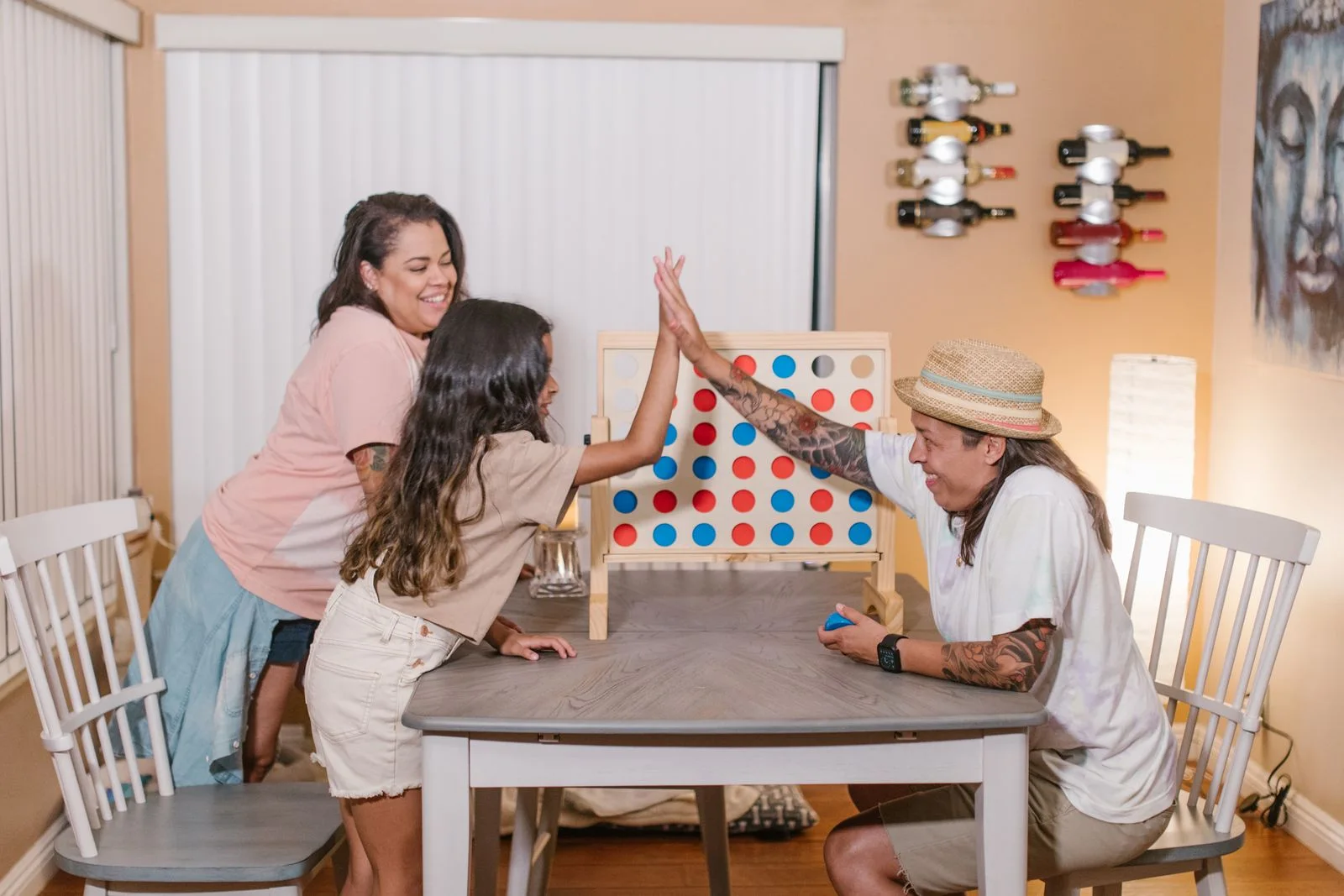
A board-game gift is a choice for particular players, not an abstract household. Start with the people likely to play, the kind of evening they enjoy, and the complete game edition. An appealing box or familiar title cannot tell you whether the contents fit their group, table, or preferred level of preparation.
Ask about the actual group
Find out how many people usually play and what kind of games they enjoy. Check the publisher’s information about player numbers, age guidance, components, and any relevant accessibility details. Do not assume one edition has the same rules or contents as another with a similar name.
Ask whether the recipient already owns the game or prefers to choose games personally. A direct question can prevent a duplicate purchase. If the gift is meant for children or a mixed-age household, consult the responsible adults and follow the product’s exact guidance rather than treating the box artwork as a suitability check.
Read a complete description of play
Look for the official rules or publisher’s explanation. Consider the preparation, reading, and table space the game expects. An approximate play-time listing is useful context, but it does not promise how a particular group’s first session will unfold.
Think about whether the recipient enjoys learning a detailed system or prefers a familiar easy-to-start activity. Neither preference is better. Choose the game through their actual interest, and avoid presenting it as an assignment that the whole household should learn immediately after opening the gift.
Include physical space and storage
Check the complete setup dimensions where available, including cards, player areas, and any shared board. A box that fits a shelf can unfold into a much larger arrangement. Make sure the recipient has an appropriate usable surface rather than assuming a coffee table will accommodate every component.
The reading-corner guide can help think about occupied furniture and nearby belongings. For a game, include comfortable seating and the way people reach shared pieces. Keep food and drinks managed appropriately around components according to the game’s care guidance.
Give a choice about the first session
A short note can explain why you thought the game might suit the person. Offer to join a session if that is welcome, but do not turn the gift into an obligation to host. Keep product information and an available exchange option where practical.
The thoughtful host-gifts guide is useful when the game accompanies a visit. Ask before planning to open and play it that evening; the host may already have a different schedule or activity in mind.
Should I buy an expansion as well? First verify the exact base game, edition compatibility, and the recipient’s interest. An expansion can add requirements rather than making the gift complete. A suitable standalone game can be enough, with the players choosing their own later additions.
A little more to adore

Give a Book in an Edition the Recipient Can Enjoy
Give a book in a readable edition through the recipient’s interests, accurate title, preferred format, comfortable handling, actual reading place, and personal choice.
Read the story →
Choose a Bookmark Gift for the Way Someone Reads
Choose a bookmark gift for actual printed-book habits, appropriate page care, useful dimensions, a personal detail, simple presentation, and the recipient’s preferences.
Read the story →