
Build a Garment Wishlist from One Existing Outfit
Create a garment wishlist from one complete outfit you own, identifying a specific unanswered need before turning a saved product into another purchase.
Shopping disclosure: retailer links in this story are ordinary links; we currently earn no commissions. If we add affiliate links in future, they will be identified. Our full disclosure.
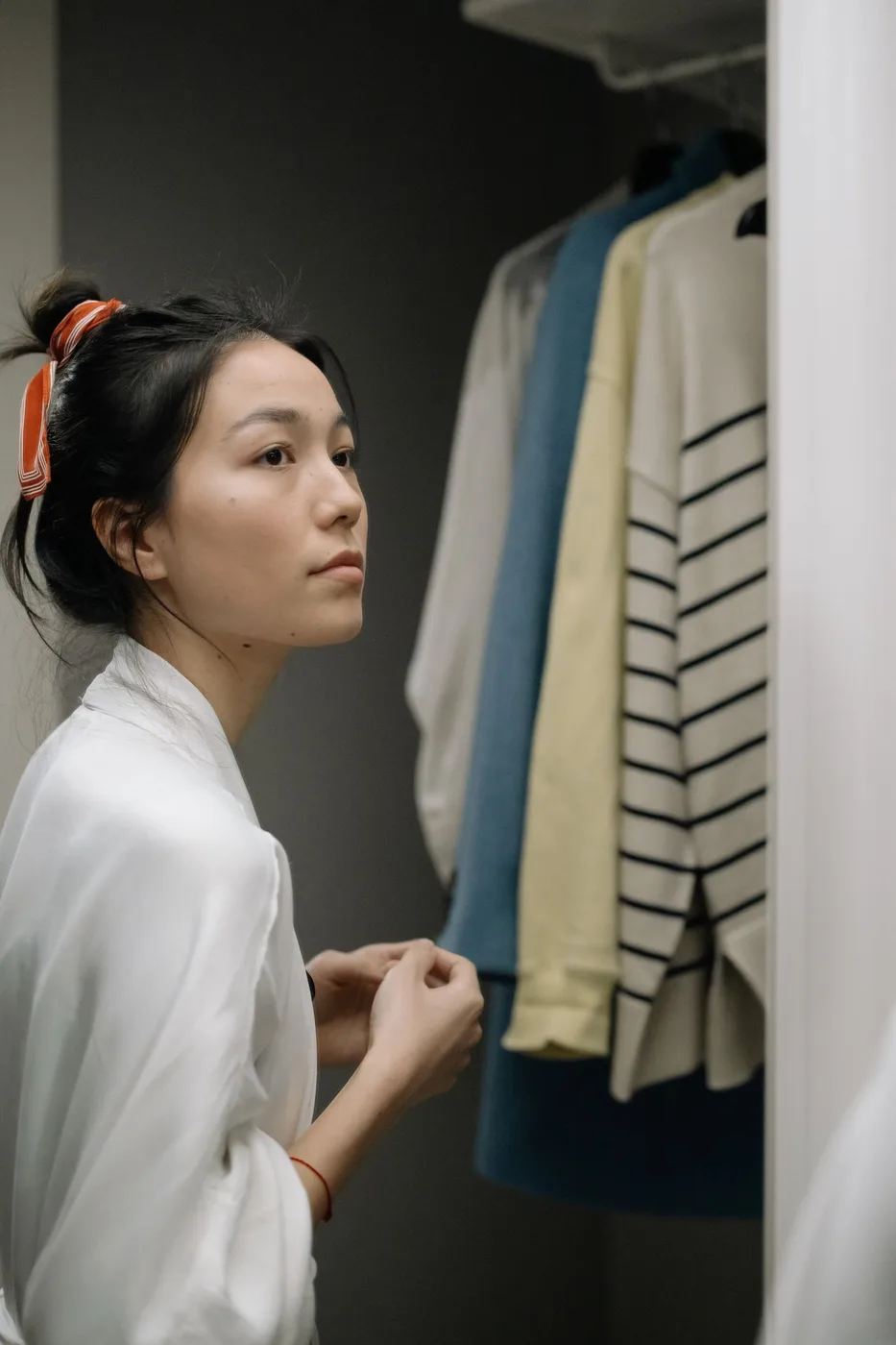
A garment wishlist becomes more useful when it begins with one complete outfit you already own. Instead of collecting attractive products and hoping they form a wardrobe later, identify the specific question the existing outfit does not answer. A saved item can then be considered through a real role rather than gaining importance simply because you keep looking at its picture.
Put on the existing outfit
Use the actual clothes, shoes and appropriate accessories for an ordinary occasion. Notice what already works before searching for a gap. A photograph of separate garments may suggest a missing colour while the complete outfit feels comfortable and finished when you wear it.
Keep the occasion specific. A workday, a relaxed meal and a short errand may need different arrangements. Avoid asking one hypothetical purchase to solve every future activity when you have not identified what is difficult about the present one.
Write the unanswered question
Describe the actual issue in plain language: want a layer I enjoy with this neckline, for example. Distinguish a practical need from a wish for variety. Enjoying another colour can be a valid preference without being presented as a wardrobe emergency.
The workday layers guide helps when a real transition is involved. Keep the question connected to the clothes and activities you actually use, not an imagined complete lifestyle attached to a retail image.
Try a familiar alternative first
Compare another piece you already own, changing one element at a time. If the outfit now answers the question, record the successful combination. You may still enjoy considering a new garment, but the reason for buying it should reflect the updated situation.
Do not treat an unworn garment at the back of the wardrobe as automatically suitable because it has the right broad colour. Check its actual condition, relevant care information and ordinary fit before counting it as a ready alternative.
Give a saved product a clear role
Record which outfit it would join and which detail you need to establish. Use actual maker or retailer information for dimensions, composition, care and other relevant features. A photograph that resembles your desired result is not evidence that the exact product will meet every requirement.
The composition shopping note guide supports a considered comparison. Preserve uncertain details as questions rather than allowing a short appealing description to answer something it never specifies.
Decide when the entry is finished
Mark the item waiting for information, ready to consider or no longer relevant. Remove a saved product whose original role has disappeared instead of letting the list become an archive of past uncertainties. Keeping an idea is not a promise to purchase it.
If you do buy, compare the actual item through the appropriate seller arrangement before relying on the imagined outfit. The useful wishlist connects a real garment to a real question, allowing the wardrobe you own to lead the next decision rather than asking a collection of product images to invent its purpose.
A little more to adore
Record Clothing Composition Before a Considered Purchase
Recording a garment's stated composition before a considered purchase gives you something more useful than a memory of how the fabric felt in a shop. The note can help compare
Read the story →
How to Choose a Cotton Tee You Will Actually Repeat
How to Choose a Cotton Tee You Will Actually Repeat. Practical fit checks, outfit decisions and buying advice for everyday life.
Read the story →