
Pass On a Family Keepsake with a Separate Story Note
Offer a family keepsake through a clear shared understanding and an attributed story note, keeping known details separate from guessed history or value claims.
Shopping disclosure: links within this story are ordinary retailer links. Separately identified advertisements elsewhere on the page may contain affiliate links. Our full disclosure.
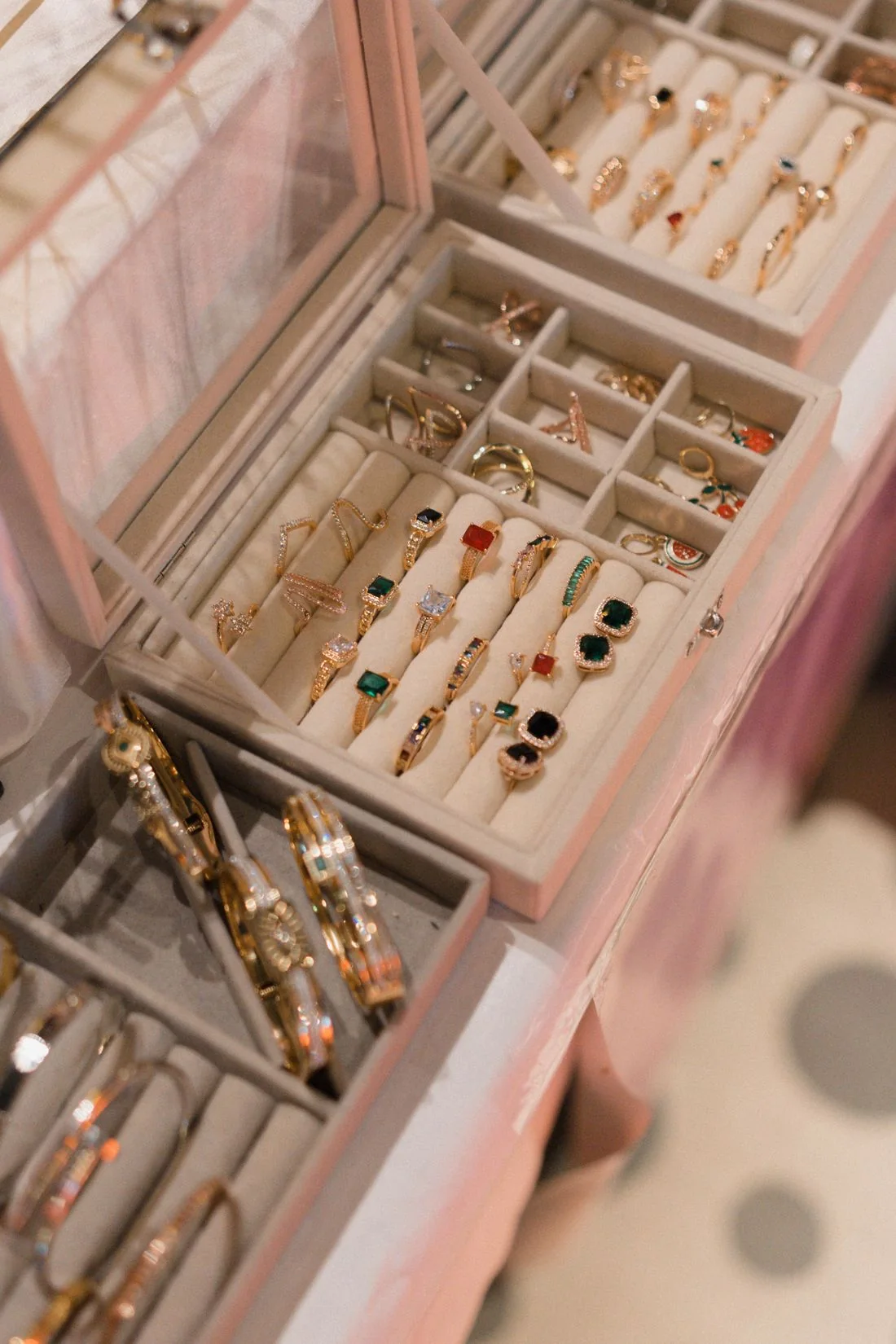
A family keepsake can be offered with a separate story note instead of expecting the object to explain its own meaning. Make the intended handover clear, ask whether the recipient wants it and keep remembered history distinct from established facts. The gesture does not need a claim about age, authenticity or value to be personal. It needs an honest connection and an arrangement both people understand.
Establish what you are offering
Make clear whether this is a proposed gift, a loan or simply an invitation to look at the object together. Those are different conversations. Do not wrap an item and present the handover as settled when an important question about who may give it remains unresolved.
Keep any formal ownership, inheritance or other important legal question on an appropriate professional basis. A personal note cannot settle it. This article concerns a considerate conversation and record, not advice about transferring rights or assessing a valuable object.
Ask whether the recipient wants the keepsake
Explain the connection without making acceptance a test of family loyalty. Someone may value the story while not having a suitable place or desire to take responsibility for the object. Give that answer room rather than presenting the choice in front of a group that expects an immediate yes.
If more than one person has a meaningful interest, address that through an appropriate shared process before making a promise. A warm intention does not remove the need for clarity among the people actually involved.
Write the story at its actual level
Separate what you know directly from what another person remembers. A note can identify who supplied an account and leave an uncertain date broad. Avoid combining several memories into one confident history merely because it reads more neatly.
Do not infer a maker, material or age through appearance. If a factual claim matters, use the appropriate reliable evidence. A description of a visible feature can help identify the object without becoming an unsupported appraisal.
Keep practical information beside the story
Preserve any reliable existing care or product references. The story note should not replace guidance the recipient actually needs for the object. If that information is missing, say so rather than inventing a handling method from a similar-looking item.
The borrowed-item ownership note guide helps when the arrangement is a loan rather than a gift. Keep the actual agreement distinct from the affectionate language surrounding it.
Leave display and future use with the recipient
An agreed gift does not need a permanent place chosen by the giver. The frame gift choice guide illustrates that freedom in a household setting. A keepsake can remain meaningful even when it is stored appropriately rather than displayed.
Give the note and any relevant references through the understood handover, keeping private family details suitable for the audience. The useful result is not a definitive family history. It is an object offered honestly, with a clear arrangement and a story that remains no more certain than the information you actually know.
A little more to adore
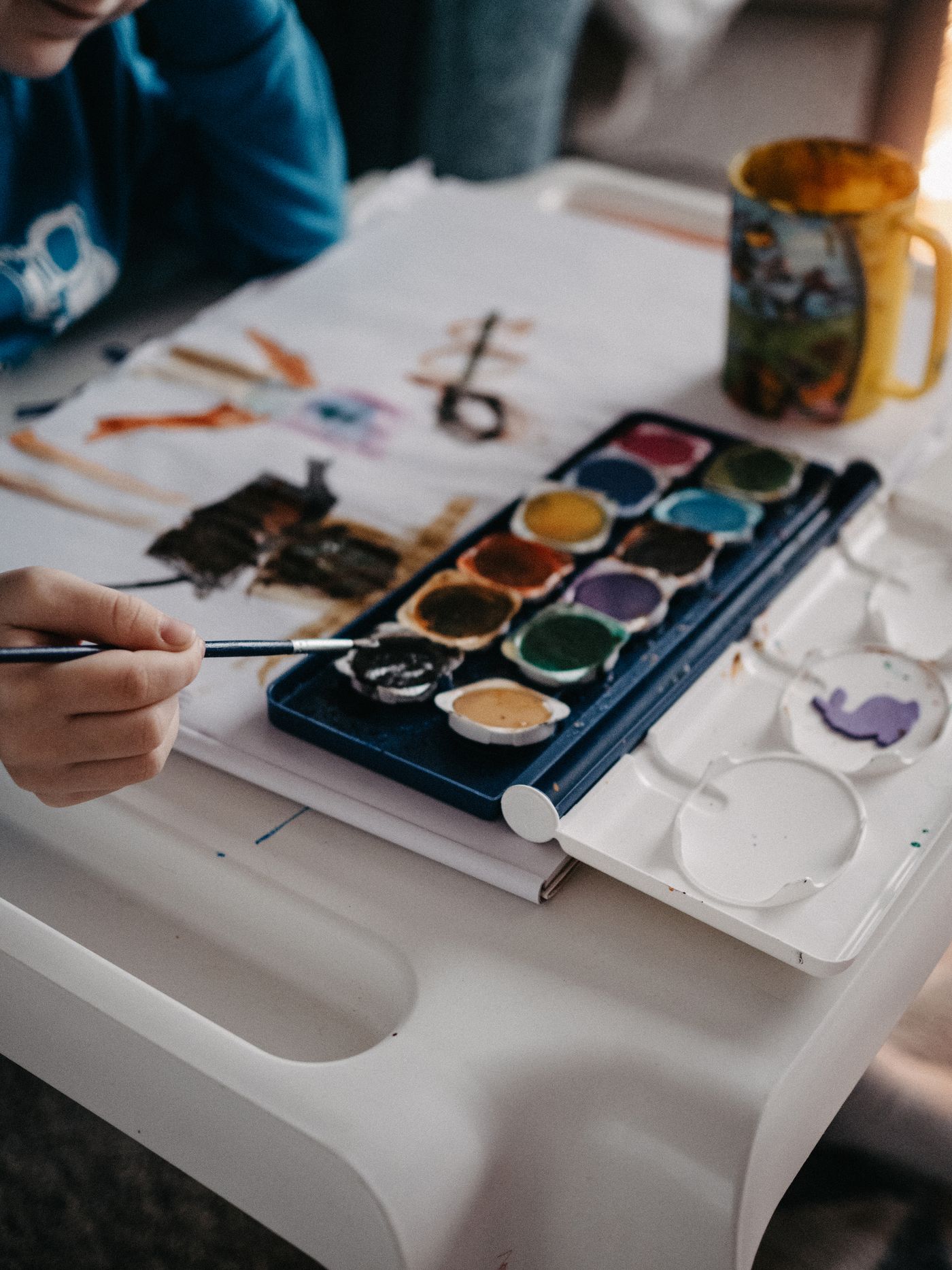
Choose an Art-Material Gift with Its Intended User
Art materials make a more useful gift when the intended user helps define the choice. Paint, paper and tools can depend on a person's preferred medium and working conditions.
Read the story →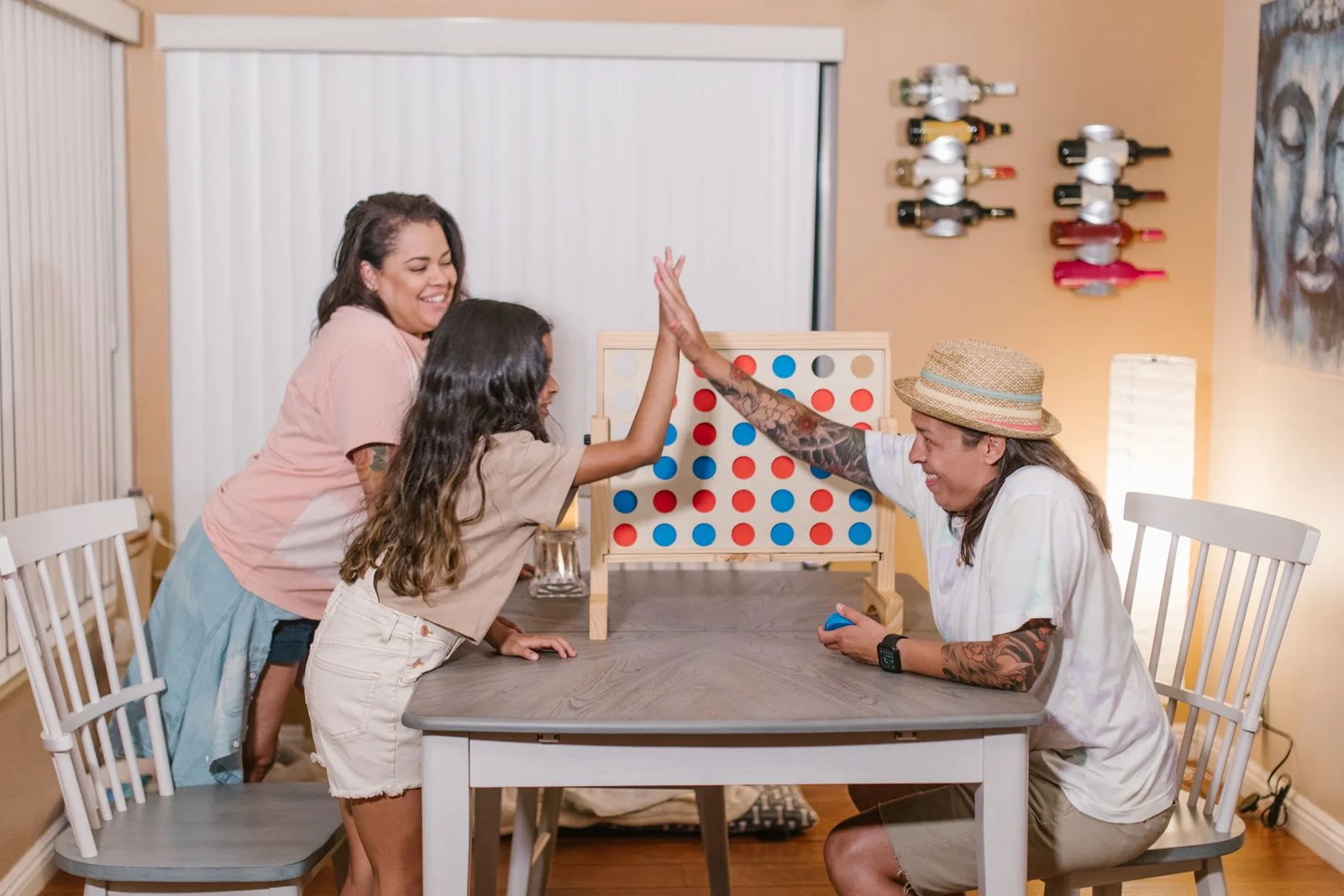
Choose a Board-Game Gift Through the Actual Players
Choose a board-game gift through actual players, the correct edition, official guidance, complete table space, realistic preparation, and the recipient’s own schedule.
Read the story →