
Keep Borrowed Household Items Distinct from Your Own
Keep borrowed household items identifiable through their actual owner, permission and return arrangement, without treating shared storage as shared ownership.
Shopping disclosure: retailer links in this story are ordinary links; we currently earn no commissions. If we add affiliate links in future, they will be identified. Our full disclosure.
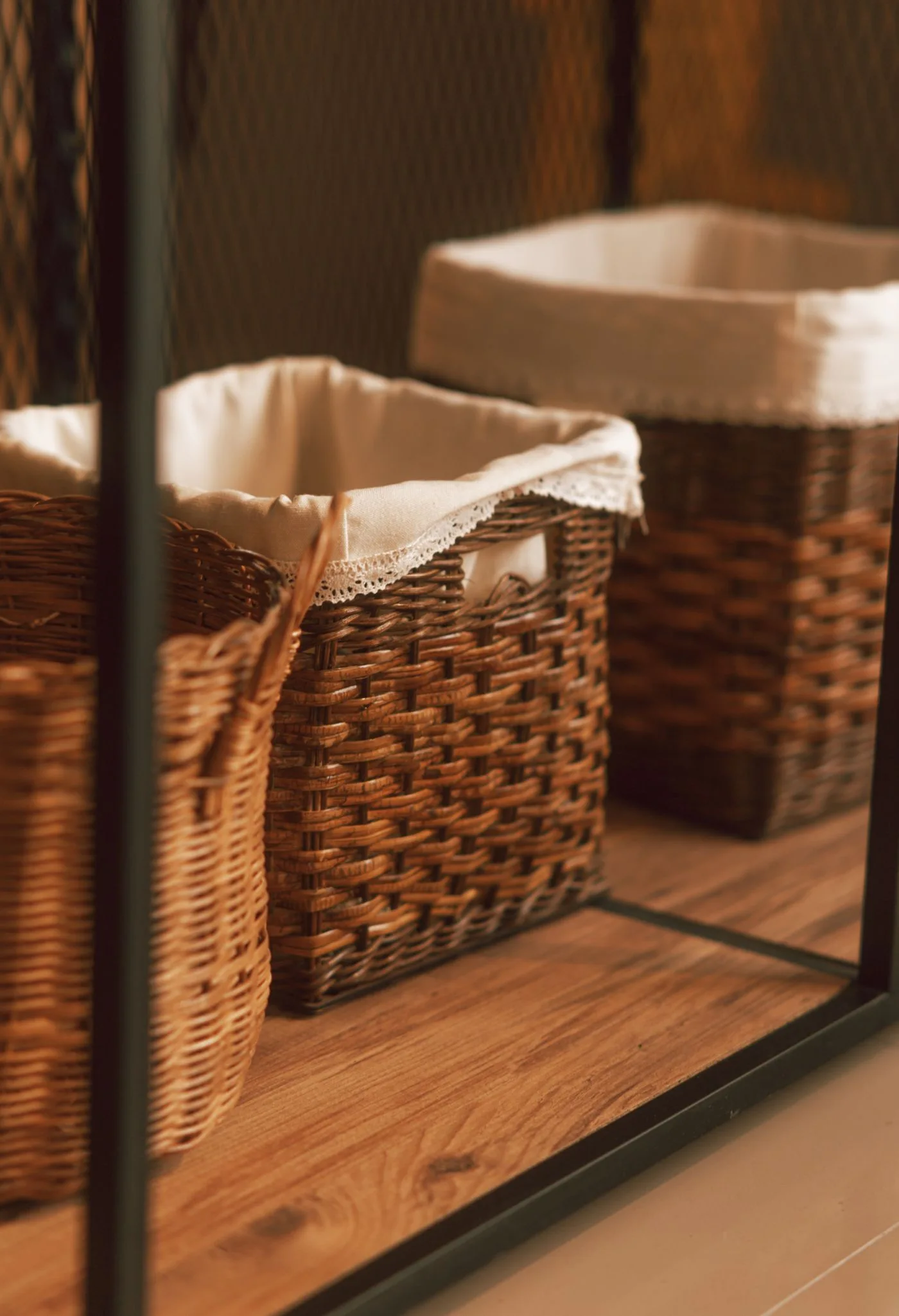
Borrowed household items can become difficult to distinguish from your own once they settle among familiar belongings. A simple ownership note keeps the loan clear without turning the home into an inventory project. Record what belongs to someone else, what use was agreed and how the item should return, while keeping the owner's private information appropriately limited.
Identify the actual loan
Describe the object accurately enough to distinguish it from similar pieces. A serving bowl may need a colour or pattern detail; a tool may need its actual model or another reliable identifier. Do not invent a material, value or history because it sounds more complete than an ordinary description.
Ask the owner if the permission is unclear. An object left after a visit is not automatically a gift, and shared cupboard space does not make every item communal property. Keep an uncertain ownership question separate until the people involved establish the arrangement.
Record the agreed use
Write the purpose and any relevant limit in plain language. Permission to borrow an item for one meal does not necessarily include lending it onward or using it in another way. If the intended use changes, ask before extending the original agreement by assumption.
Preserve the actual product and owner-supplied care information. Do not substitute the routine you use for a similar item. A matching appearance cannot establish that two objects have identical materials, construction or requirements.
Give the item a recognizable place
Choose appropriate storage that keeps the borrowed object identifiable. Avoid attaching unsuitable labels or altering it to make the distinction easier. A private note can identify the location without changing the owner's property.
The shared cupboard guide helps distinguish useful identification from unnecessary labelling. The goal is understanding who owns the object and what the household may do with it, not adding decorative categories to every shelf.
Keep the return arrangement active
Record the actual agreed return or a clear question that still needs answering. Do not treat the absence of a fixed date as permission to keep the item indefinitely. If a planned handover no longer works, contact the owner and agree another suitable step.
Include accompanying parts in the note when that helps: a lid, case, stand or instruction sheet may belong to the loan. Keep those pieces together through appropriate storage rather than allowing them to merge with similar household parts.
Close the loan explicitly
Return the object in the understood condition through the agreed arrangement, telling the owner promptly about a concern. Do not attempt an unapproved repair or replacement merely to avoid an uncomfortable conversation.
The home reset guide can include a small review of outstanding loans when useful. Once the owner accepts the item back, remove the temporary reminder and retain only information that still has a genuine purpose. A clear ending lets an ordinary borrowed object remain a comfortable exchange rather than a permanent ambiguous addition to your shelves.
A little more to adore

Give Bedside Glasses a Suitable Case and a Clear Place
Give bedside glasses an appropriate case, specific care, stable clear placement, comfortable access, separate belongings, and a complete morning handover.
Read the story →
Choose a Bedside Lamp Through Switch Reach
A bedside lamp is easier to choose when its switch can be reached through the way the bed is actually used. A photograph of a lamp on a table says little about that ordinary m
Read the story →