
Choose a Cup Coaster Through the Surface It Will Protect
A cup coaster should be chosen through the surface it will sit on and the drink vessel it will support. Its colour is only one part of the decision. A decorative piece does no
Shopping disclosure: retailer links in this story are ordinary links; we currently earn no commissions. If we add affiliate links in future, they will be identified. Our full disclosure.
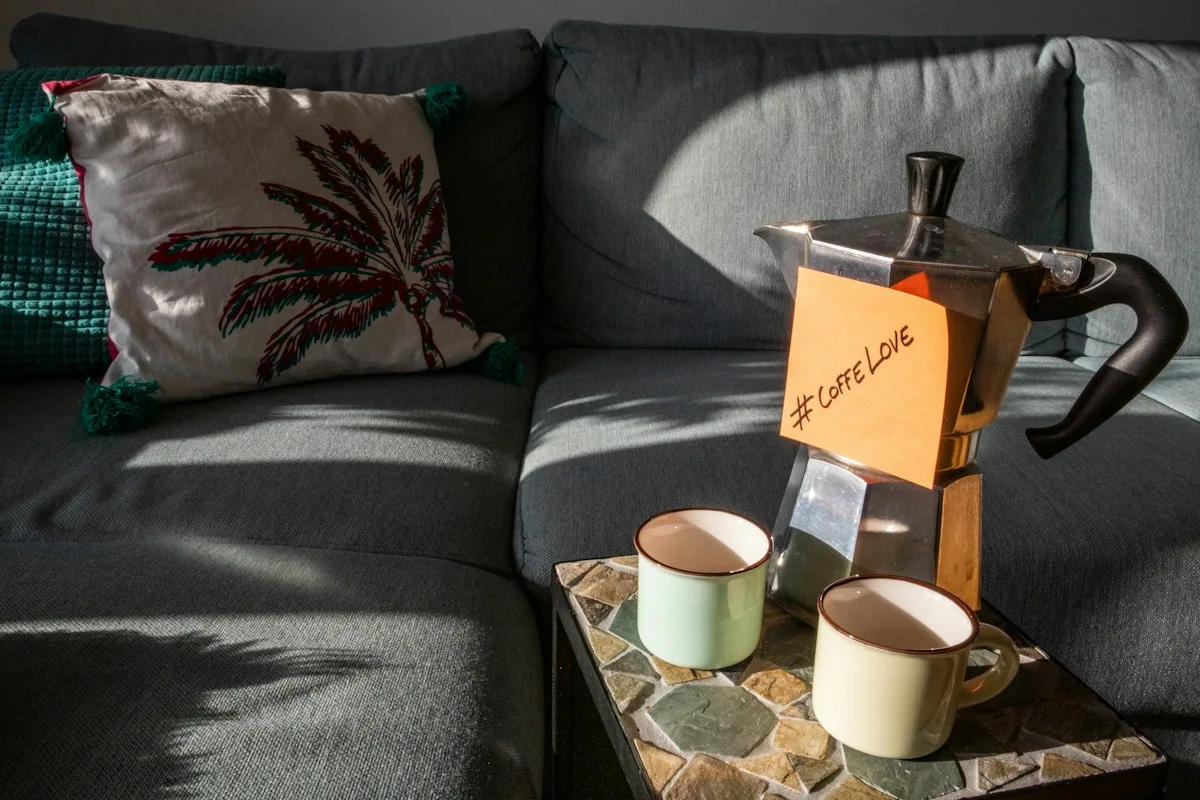
A cup coaster should be chosen through the surface it will sit on and the drink vessel it will support. Its colour is only one part of the decision. A decorative piece does not automatically protect every table finish, and a coaster that slips or catches can make an otherwise simple arrangement less convenient.
Read the surface's care information
Check the furniture maker's guidance before choosing a protective accessory. Finishes and materials can have different requirements, including restrictions on heat, moisture or contact with particular products. Do not assume that placing something between a cup and a table makes the whole arrangement suitable.
The reading corner guide helps place the decision within an ordinary room. A drink surface should be appropriate and accessible for the actual routine rather than added only because a chair-side table looks inviting in a photograph.
Examine the coaster's intended use
Read the coaster maker's information about materials, cleaning and permitted use. Check any backing or decorative treatment that will contact the furniture. An item marketed as absorbent, heat-resistant or protective should be assessed through its stated specifications rather than expanded into a promise that it prevents every possible mark.
Consider the vessel you will actually use. A coaster should provide an appropriate resting place without an unstable overhang or awkward fit. Follow the relevant product instructions and your own practical assessment instead of balancing a large mug on a small accessory simply because their colours coordinate.
Look at the complete placement
Choose a position that leaves room for ordinary movement and other necessary objects. Avoid putting a drink where someone must reach across an unsuitable obstacle. A good coaster cannot correct a table placed where it is repeatedly knocked by a bag or chair.
The mug handle space guide considers the vessel's full shape in storage. Apply the same attention when it is in use: handles and nearby objects affect how the cup is set down and picked up, even if the base itself appears to fit.
Keep care part of the routine
Follow the coaster's cleaning and drying requirements, and attend to spills according to the furniture's guidance. Do not leave an accessory in place indefinitely without considering the condition beneath it. If an item appears damaged or no longer suitable, stop relying on its appearance as evidence of protection.
When an arrangement remains inconvenient, identify the specific issue before replacing the coaster. The vessel, surface, location or product requirements may be the actual problem. A useful choice is one that fits the real furniture and routine, with its limitations understood. That is more dependable than treating a small decorative object as a universal safeguard for every cup in the room.
For a shared room, explain the intended resting place without presenting the accessory as protection against every spill. Other users need accurate expectations about the furniture and the care it still requires.
A little more to adore

Give Bedside Glasses a Suitable Case and a Clear Place
Give bedside glasses an appropriate case, specific care, stable clear placement, comfortable access, separate belongings, and a complete morning handover.
Read the story →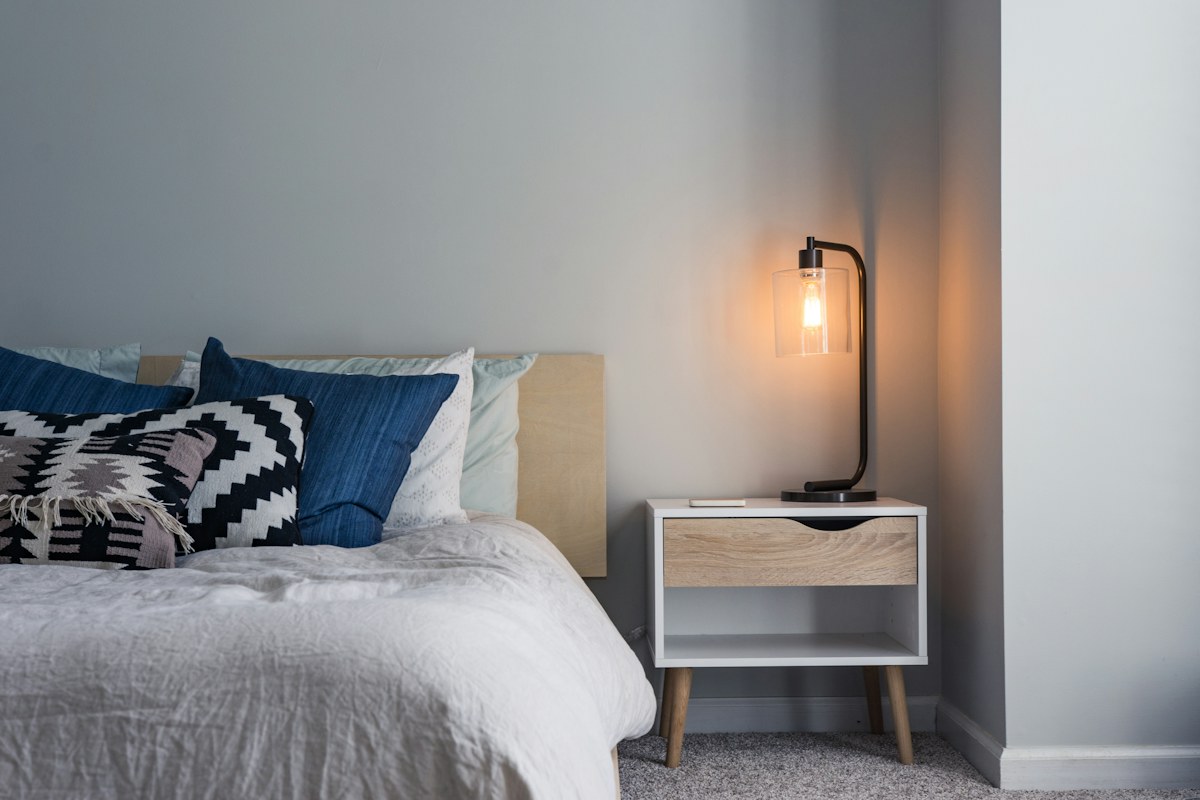
Choose a Bedside Lamp Through Switch Reach
A bedside lamp is easier to choose when its switch can be reached through the way the bed is actually used. A photograph of a lamp on a table says little about that ordinary m
Read the story →