
Make a Conversation Zone with the Seats You Already Have
Plan a small conversation area through the actual seats and room use, checking the people’s preferences before turning the idea into another furniture purchase.
Shopping disclosure: links within this story are ordinary retailer links. Separately identified advertisements elsewhere on the page may contain affiliate links. Our full disclosure.
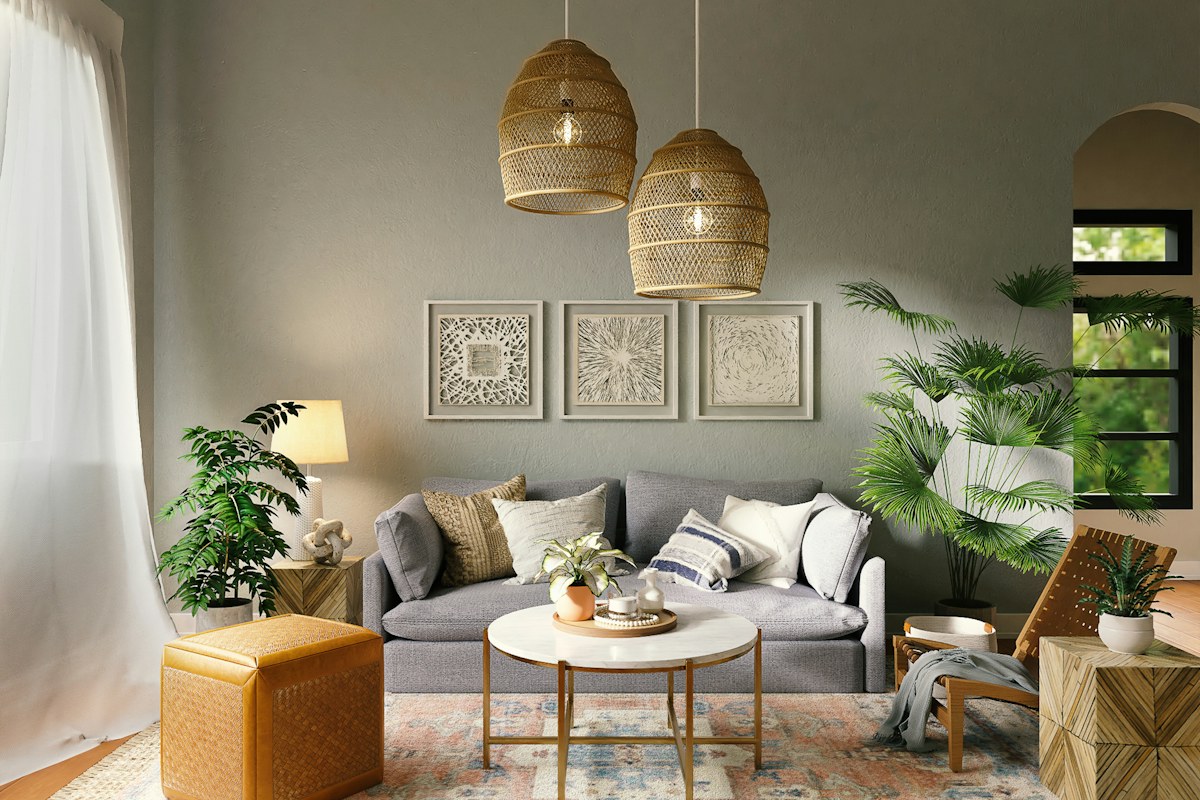
A small conversation area can begin with the seats already in the room. Choose the part of the space people will actually use, clear ordinary belongings and ask about preferences before deciding another chair is missing. The useful arrangement makes company easier without requiring the room to become a permanent display. A sofa, an existing chair and a manageable surface may already provide the group you need.
Start with the kind of conversation
Ask whether the meeting is a quiet catch-up, a larger gathering or time spent alongside another activity. The same room may support those occasions differently. A person who wants to follow a conversation may prefer another position from someone briefly joining while doing something else.
Keep important individual requirements on their appropriate basis. Do not infer them through age, height or appearance. Ask the actual person about a relevant preference and resolve essential suitability questions through appropriate guidance rather than assuming an attractive seat answers them.
Clear the seats before changing the room
Remove bags, papers and decorative pieces from the places people need to occupy, returning them appropriately. Notice how much of the apparent shortage disappears when ordinary furniture is available for its intended use. A cushion arrangement should not require the guest to rebuild a display before sitting down.
Keep routes and the actual use of doors clear. If a larger change would involve moving furniture or technical decisions, establish the practical requirements first. A conversation idea does not authorize an improvised rearrangement of heavy or fixed objects.
Consider the relationship between occupied places
Use the seats in their ordinary appropriate positions and imagine the people joining. Can the conversation happen without someone repeatedly turning away from the rest? Are the available surfaces and personal belongings manageable? Keep the question about actual use rather than a perfectly symmetrical picture.
The reading corner guide considers how one chair can have a useful role within a room that already does other jobs. A conversation area can be just as modest and temporary.
Give necessary objects a place
Think about drinks, coats and anything the guests actually bring. Choose appropriate surfaces and keep personal items under their owners' control. A beautiful arrangement becomes less useful if every glass or bag needs a new negotiation.
The sideboard serving-purpose guide helps decide which surface belongs to a meal or gathering task. Keep that role distinct from a seat-side place so neither becomes an accidental storage pile.
When guests arrive, offer the available choices plainly and allow a reasonable change. The first arrangement need not govern the whole visit. You can notice afterwards that one position was more useful than expected without treating the gathering as a furniture test.
Return the room to ordinary use when the company leaves. A conversation area has worked when it gave the people an understandable place to be together. It does not need to prove that the room is complete or create a new shopping task simply because the visit ended.
A little more to adore

Give Bedside Glasses a Suitable Case and a Clear Place
Give bedside glasses an appropriate case, specific care, stable clear placement, comfortable access, separate belongings, and a complete morning handover.
Read the story →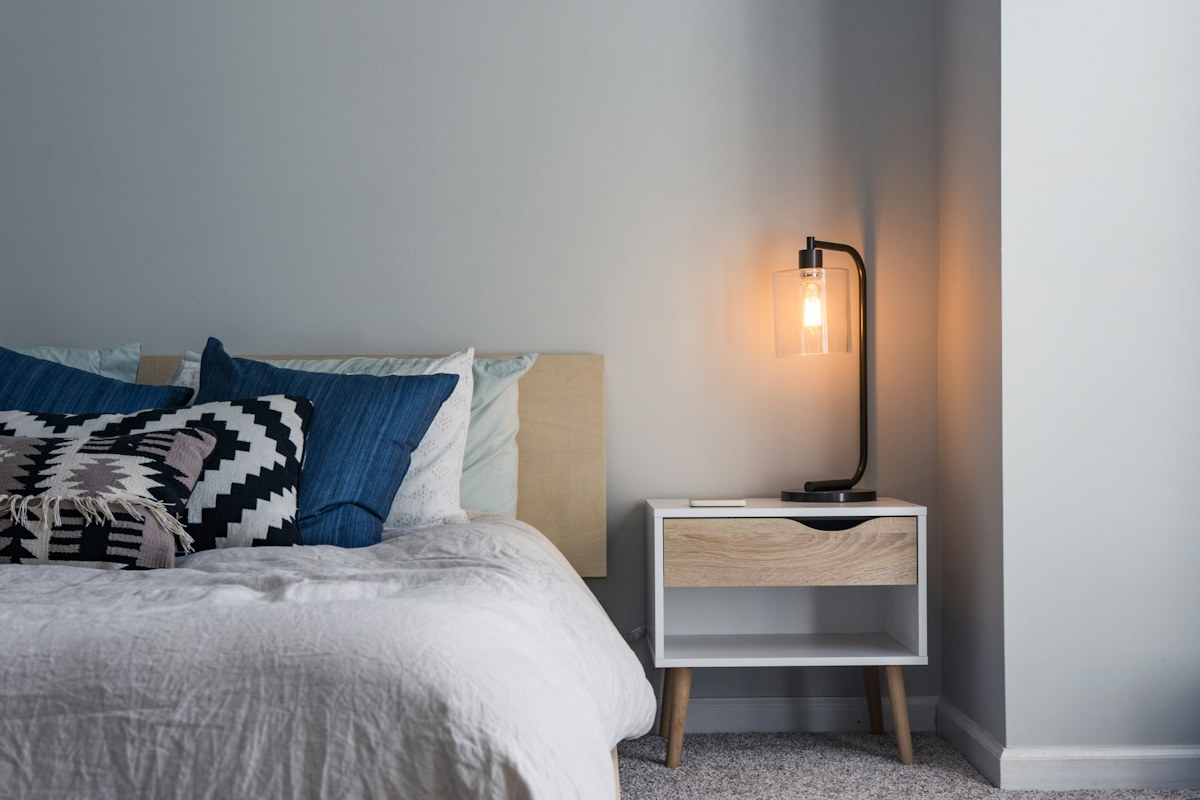
Choose a Bedside Lamp Through Switch Reach
A bedside lamp is easier to choose when its switch can be reached through the way the bed is actually used. A photograph of a lamp on a table says little about that ordinary m
Read the story →