
Choose a Water-Bottle Gift Through the Recipient's Routine
Choose a water-bottle gift through the recipient’s routine, comfortable filled handling, complete dimensions, exact product limits, component care, and informed choice.
Shopping disclosure: retailer links in this story are ordinary links; we currently earn no commissions. If we add affiliate links in future, they will be identified. Our full disclosure.
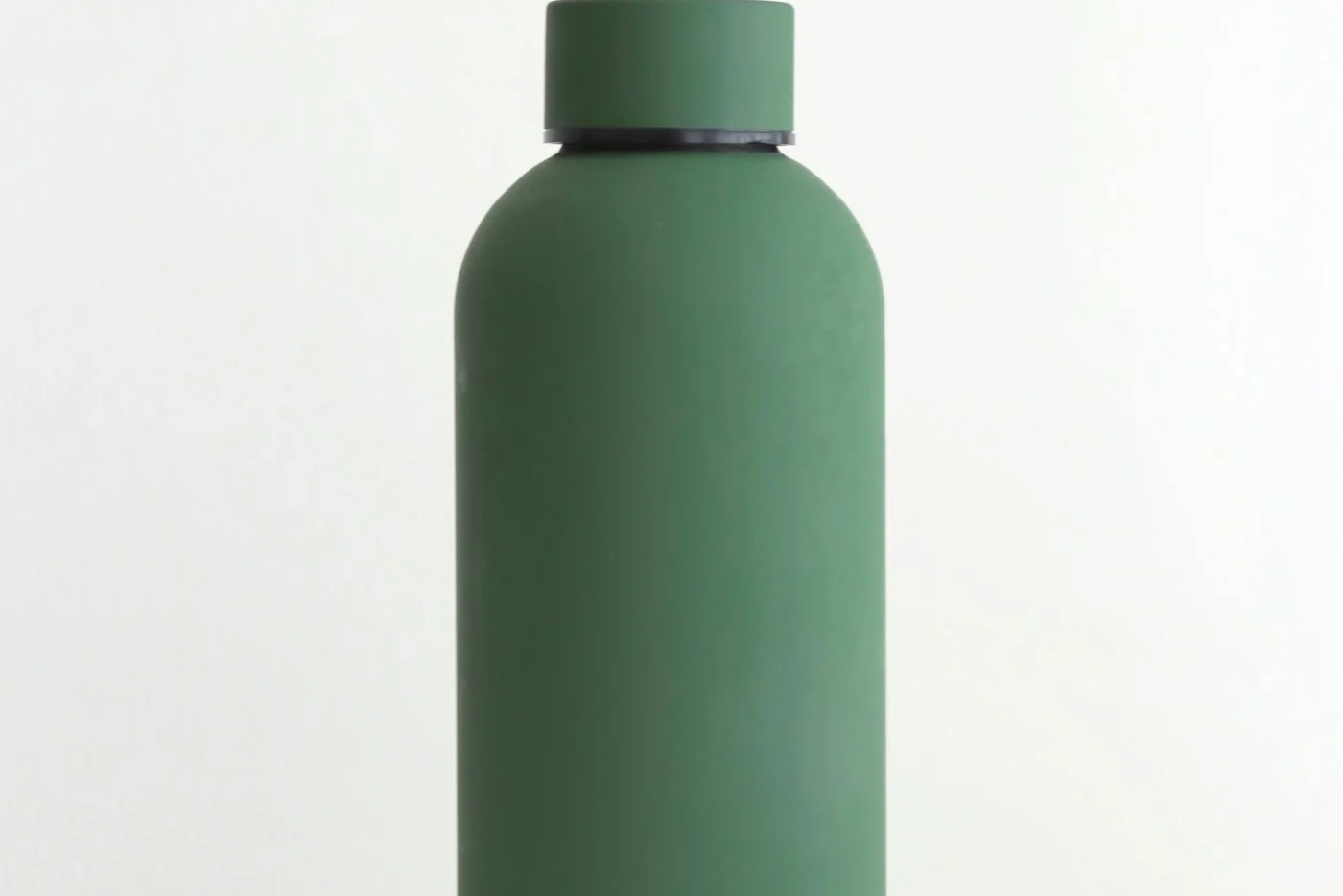
A reusable water bottle is a personal daily object, so a useful gift begins with the recipient’s routine. Ask whether they want one and what their current bottle fails to do. Capacity, opening, closure, carrying, and care all matter more than choosing a popular shape that happens to suit your own habits.
Find the intended place in the day
Ask where the bottle will be used: at a desk, during a regular outing, or in a particular bag. Check complete dimensions against that setting. Do not assume a bottle fits a cup holder, bag pocket, or shelf because the product image makes it look compact.
Consider comfortable filled handling and the recipient’s preferred drinking opening. A straw, spout, or wide opening creates a different experience and may involve additional components. Read the exact product information instead of treating all bottles of the same capacity as interchangeable.
Check the closure and components
Where an appropriate demonstration is available, examine how the bottle opens, closes, and comes apart according to its instructions. Avoid inferring leak resistance or suitability for particular drinks from appearance alone. Use the manufacturer’s stated conditions and limitations for that exact model.
The practical tote-bag guide can help place a bottle within the real contents someone carries. A generous bottle can still be the wrong gift when it displaces essential belongings or requires a different bag the recipient did not want to buy.
Read care before purchase
Check how every relevant component should be cleaned, dried, reassembled, and stored. Do not assume a dishwasher symbol on one part applies to the complete product. Ask the maker about unclear instructions or replacement parts rather than improvising a care method based on a similar-looking bottle.
Choose equipment appropriate for food and drink use and follow safe handling guidance. A reusable bottle does not remove the need for suitable cleaning or appropriate contents. Avoid unsupported health or environmental promises when explaining the gift; its practical value should rest on the recipient’s actual use.
Give information with the object
Keep instructions and product identification available. If you add a personal inscription, confirm that the recipient wants it and that the change is suitable for the product. Permanent customization can affect flexibility, so do not make that decision solely to make the gift feel more elaborate.
The thoughtful gift-budget guide can help keep the choice focused. A bottle does not need extra accessories unless the person has identified a suitable use for them. Include an available exchange option where practical and let the recipient decide whether the object fits their day.
Is the biggest capacity the most useful? Not necessarily. Compare the actual routine, comfortable weight, available space, suitable contents, and care. A smaller bottle that the person can use appropriately may be a better gift than a larger one chosen only to look substantial.
Planning references: FDA: Safe Food Handling. Confirm current arrangements with the relevant provider.
A little more to adore

Choose a Board-Game Gift Through the Actual Players
Choose a board-game gift through actual players, the correct edition, official guidance, complete table space, realistic preparation, and the recipient’s own schedule.
Read the story →
Give a Book in an Edition the Recipient Can Enjoy
Give a book in a readable edition through the recipient’s interests, accurate title, preferred format, comfortable handling, actual reading place, and personal choice.
Read the story →