
Choose a Travel-Map Gift Through the Actual Trip
A travel map can be a thoughtful gift when it suits the actual trip and the way the recipient likes to navigate or remember places. A handsome folded sheet is not automaticall
Shopping disclosure: retailer links in this story are ordinary links; we currently earn no commissions. If we add affiliate links in future, they will be identified. Our full disclosure.
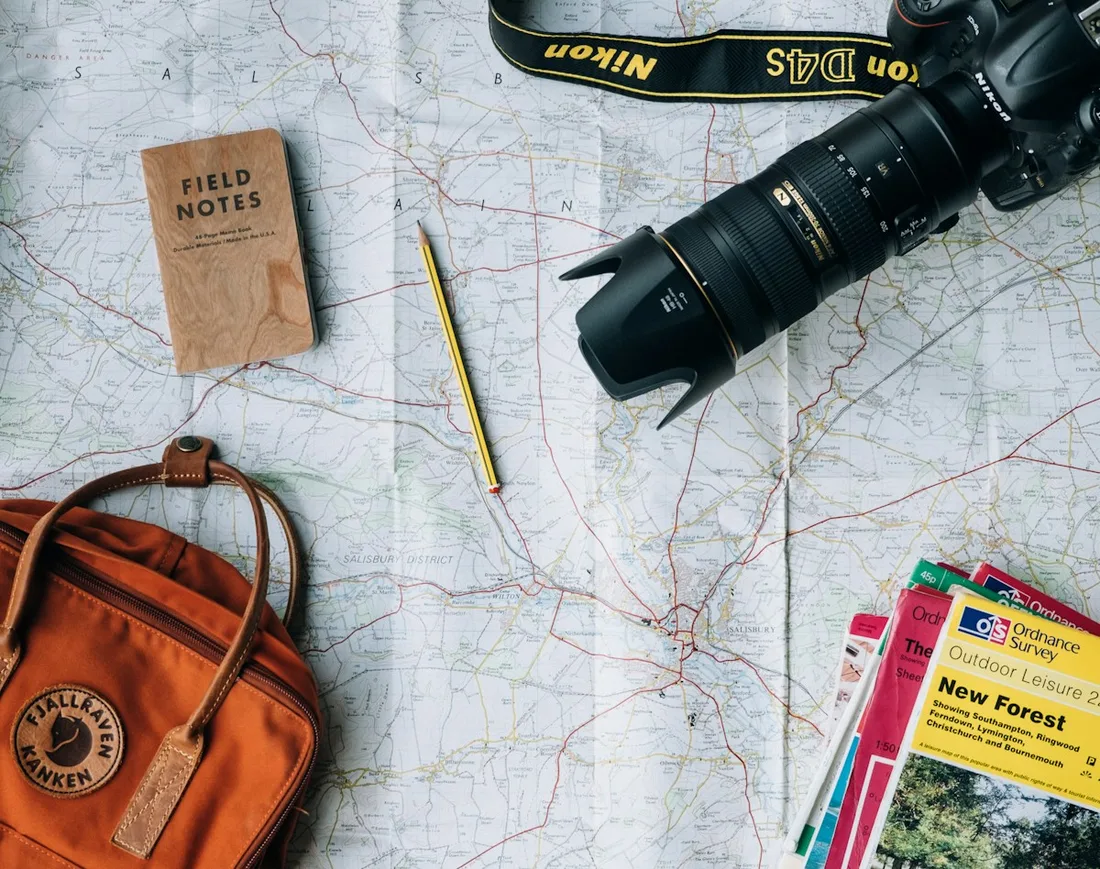
A travel map can be a thoughtful gift when it suits the actual trip and the way the recipient likes to navigate or remember places. A handsome folded sheet is not automatically useful for every journey. Ask whether the person wants a practical reference, a keepsake or something they would prefer to choose themselves.
Begin with the destination and purpose
Find out which area the map needs to cover without assuming a whole-country map will answer a city visit. Ask whether the recipient enjoys using paper references or would find another gift more useful. Their preferred way of travelling should lead the choice rather than the giver's idea of a traditional journey.
The weekend packing guide offers a related reminder to choose through a real itinerary. A gift that accompanies a short trip should earn its place alongside the other things the traveller has decided to carry.
Check the map's stated coverage
Read the publisher's information about edition, geographical area and intended use. Do not describe a map as current or comprehensive without checking what the publisher actually states. A decorative illustration and a practical navigation product can look similar while serving different purposes.
Ask whether the format is readable and manageable for the recipient. Consider folding, size and any supporting information they want, but leave those judgments to the person using it. A map's visual appeal does not establish suitability for a particular access need or a specialised activity.
Keep changing information separate
Do not treat printed transport, access or opening information as a promise about the trip. Where those details matter, the traveller should check the relevant current official sources. A map can help with broad orientation while still requiring up-to-date information for specific plans.
Avoid adding speculative route advice to the gift. If sharing a personal suggestion, identify it as such and give the recipient room to choose differently. The present should not become an itinerary they are expected to follow or a request to visit places on someone else's behalf.
Present the map without permanent changes
Keep useful publication information and any relevant receipt. Ask before marking routes, writing on the map or framing it, since those changes may conflict with the recipient's intended use. A short separate note can explain why you thought of the gift without altering the product. If the map is meant to remain at home as a keepsake, confirm that intention before choosing presentation or storage equipment. The same printed object can have a very different role from a map carried during the trip.
The thoughtful host gift guide offers another example of considering what a recipient will actually need to manage. For a traveller, that includes carrying and storing the map after the journey. A well-chosen map can support their plans or memories, but the choice of how to use it belongs to them.
A little more to adore

Choose an Art-Material Gift with Its Intended User
Art materials make a more useful gift when the intended user helps define the choice. Paint, paper and tools can depend on a person's preferred medium and working conditions.
Read the story →
Choose a Board-Game Gift Through the Actual Players
Choose a board-game gift through actual players, the correct edition, official guidance, complete table space, realistic preparation, and the recipient’s own schedule.
Read the story →