
Check Tailored Shorts Through an Ordinary Seated Day
Check tailored shorts with intended underlayers, a normal seated position, realistic pockets, complete footwear, actual setting requirements, and specific garment care.
Shopping disclosure: retailer links in this story are ordinary links; we currently earn no commissions. If we add affiliate links in future, they will be identified. Our full disclosure.
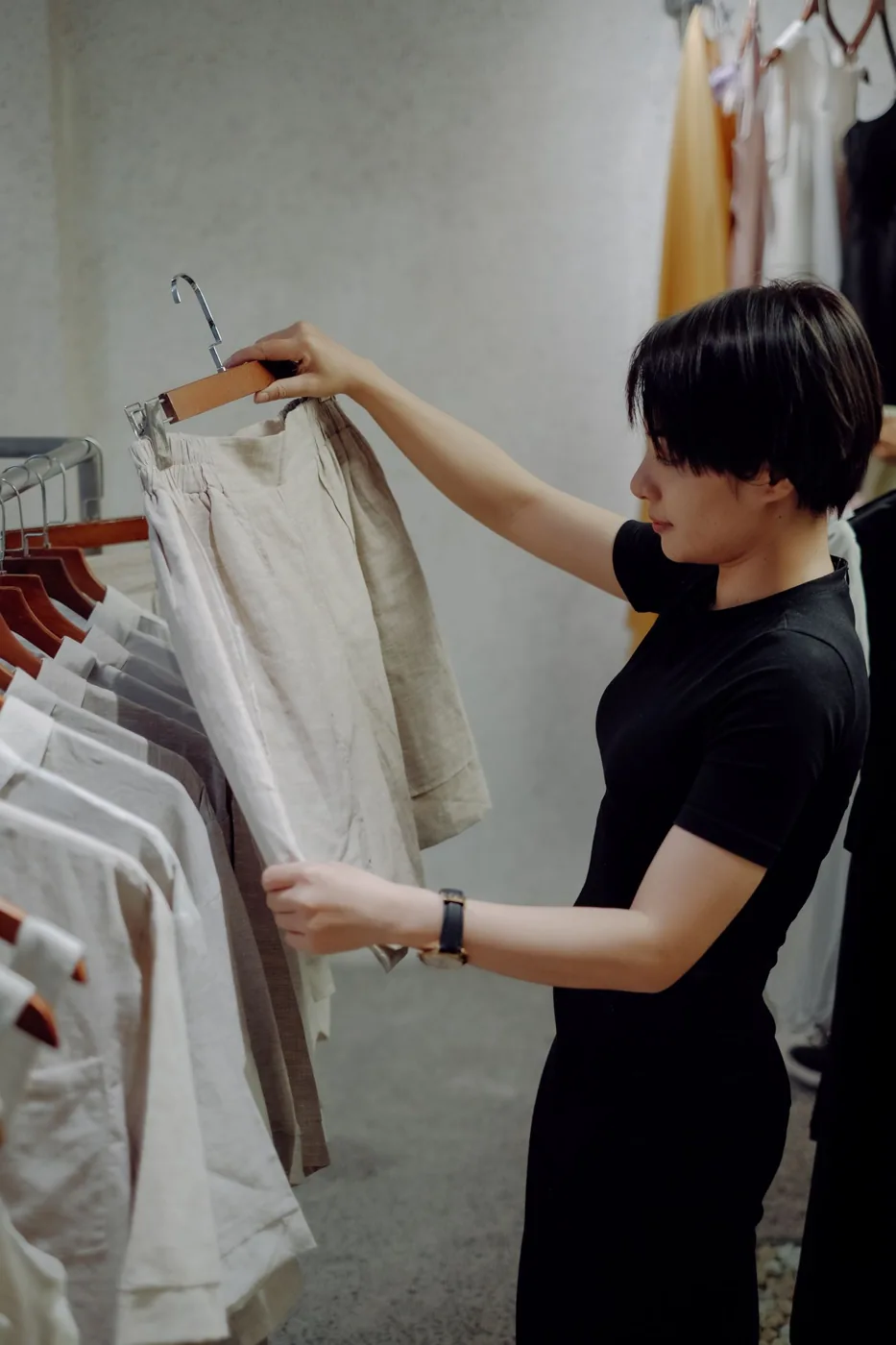
Tailored shorts deserve more than a standing mirror check. Their waistband, leg opening, pockets, and fabric can feel quite different once you sit down. Use an ordinary seated day as your fitting reference, and choose a pair that works with the shirt and footwear you genuinely intend to wear.
Bring the intended outfit into the fitting
Start with the underwear and top you expect to use. A tucked shirt adds material at the waistband; an untucked one changes how much of the shorts is visible. Check the fastening without pulling the waist into a higher or lower position simply because it looks better for one photograph.
Look at the fabric around the front, sides, and seat. Note pulling, uncomfortable pressure, or excess material that interferes with movement. A deliberate relaxed fit is different from a pair that needs constant adjustment. The trouser-rise chair check gives a useful way to isolate waistband comfort before deciding on the whole outfit.
Sit as you actually sit
Use a suitable chair and allow the shorts to settle naturally. Check whether the waistband presses, the hem position feels comfortable, and the leg openings give you the movement you need. Stand up again and notice whether the fabric returns to a comfortable position or needs repeated rearranging.
If pockets are part of the appeal, test them with modest representative contents where the fitting setting allows. A phone can change both the drape and the sitting experience. Avoid loading a pocket beyond its design or treating tailoring as a substitute for the bag you would normally carry. Evaluate the garment through realistic use rather than maximum capacity.
Think through the day around the outfit
Consider the setting and its actual expectations. A pair that suits a relaxed afternoon may not meet a particular workplace or event requirement. Check those requirements directly. For a longer day, think about transport, seated meals, and indoor temperature as well as the part of the day spent standing outside.
The relaxed dinner outfit guide can help connect the shorts to a complete outfit. Try the intended footwear, then take a few normal steps and sit again. Changing heel height or using shoes you would not really wear can make the fitting less useful, even when the result looks polished in the mirror.
Buy the fit you can maintain
Read the care label and inspect the fastening before purchase. Do not assume that washing will correct tightness or that a complicated alteration will be straightforward. Ask a suitable alterations professional about the actual garment if a change is essential, including its cost and practical limits.
Should tailored shorts be a particular length? Choose through your preferences, comfortable movement, actual setting, and complete outfit. There is no universal measurement that replaces a seated check. A useful pair allows the ordinary day you planned without requiring you to keep monitoring the hem or waistband.
A little more to adore

Give a Blazer Lapel and Shirt Collar Comfortable Space
Give a blazer lapel and shirt collar comfortable space through actual layers, front and back fit, normal movement, intended fastenings, and complete outfit use.
Read the story →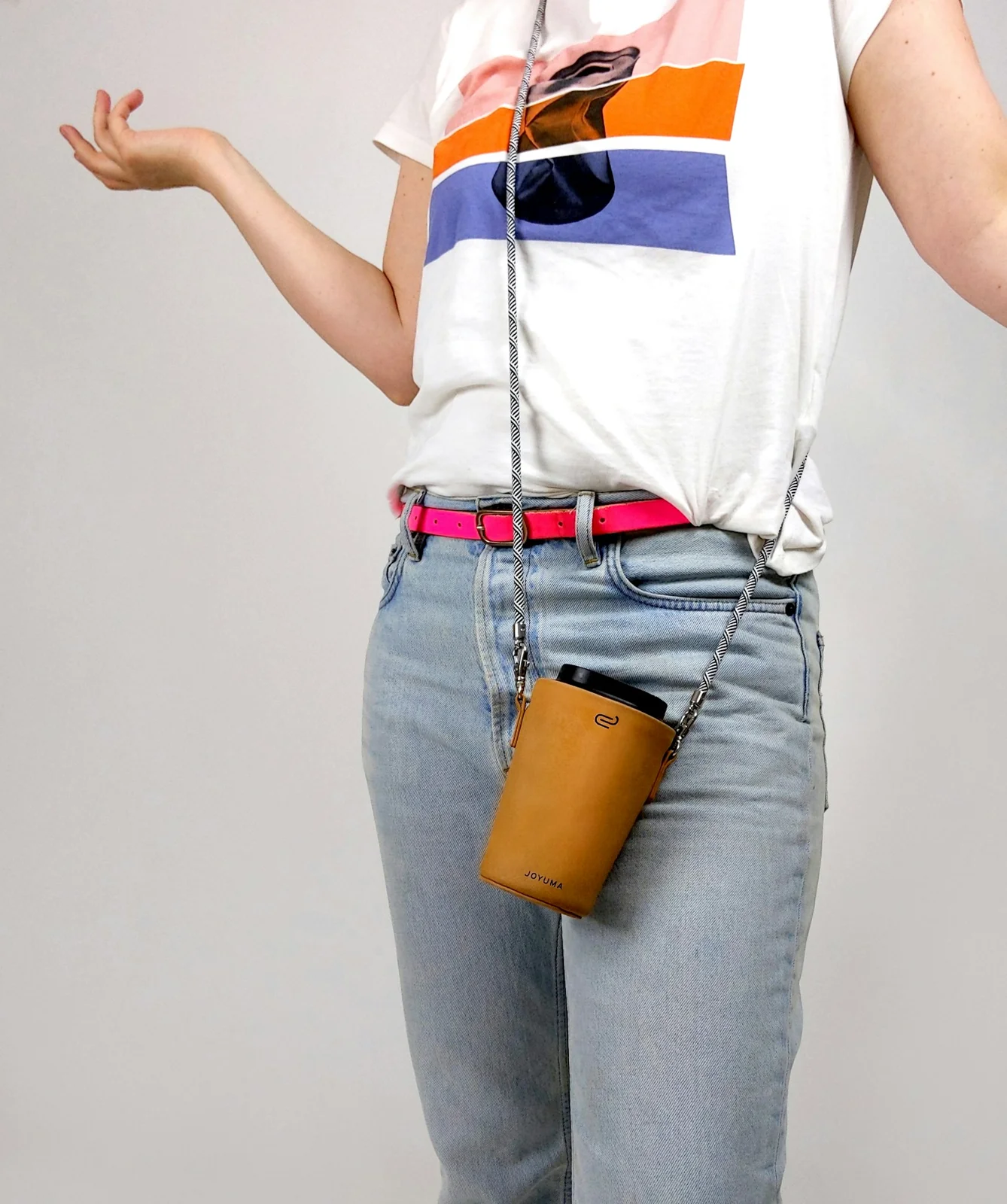
A Coffee-Run Outfit That Can Handle the Rest of Your Morning
A Coffee-Run Outfit That Can Handle the Rest of Your Morning. Practical fit checks, outfit decisions and buying advice for everyday life.
Read the story →