
Check a Tailored Jacket Length in the Seat You Use
A tailored jacket's length is easier to judge when you sit in the kind of seat you actually use. Standing in front of a mirror shows only one part of the garment's behaviour.
Shopping disclosure: retailer links in this story are ordinary links; we currently earn no commissions. If we add affiliate links in future, they will be identified. Our full disclosure.
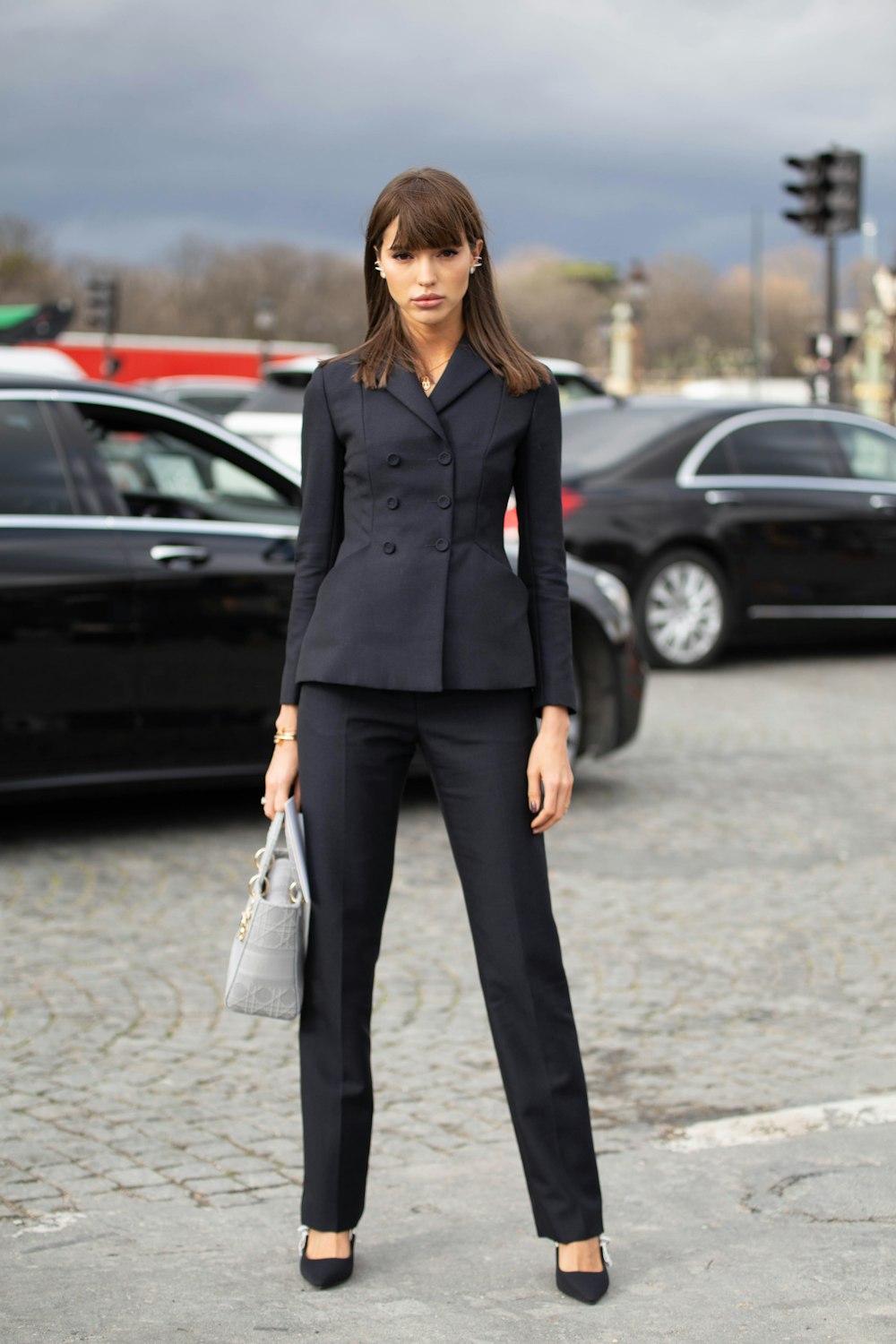
A tailored jacket's length is easier to judge when you sit in the kind of seat you actually use. Standing in front of a mirror shows only one part of the garment's behaviour. A chair at work, a dining seat or another ordinary setting can reveal whether the hem and fastening remain comfortable in the complete outfit.
Start with the intended layers
Try the jacket over the shirt or top you expect to wear and with the planned trousers or skirt. Different underlayers can change how the garment sits. Do not assume a jacket that works over a thin top will behave identically with every piece in the wardrobe.
The blazer lapel and shirt collar guide addresses another relationship within the same outfit. Check the upper part as well as the hem so that solving one detail does not leave the collar or opening uncomfortable.
Sit without arranging a special pose
Use an appropriate seat and a normal position rather than holding yourself rigidly to preserve the jacket's appearance. Notice where the hem rests and whether fabric gathers in a way that bothers you. The question is personal comfort and ordinary use, not whether every fold can be eliminated.
Follow the garment's design when deciding whether to wear it open or fastened. A jacket should not be forced into a position that strains its closures simply to achieve a particular outline. If the intended arrangement feels unsuitable, compare another existing piece before assuming you need an alteration.
Check getting up and reaching
Move between sitting and standing in a suitable space. Consider how the jacket settles afterwards and whether it needs constant adjustment. If your day involves reaching for a bag or working at a desk, include a realistic version of those movements without placing unnecessary strain on the garment.
The trouser rise chair guide helps consider the lower half of a seated outfit. Assess the pieces together rather than blaming the jacket for discomfort caused by a waistband or another layer.
Separate fit questions from styling preferences
A shorter or longer jacket can be an aesthetic preference, but it still needs to work in the intended setting. Note whether the concern is the visual proportion, the physical movement or the garment's construction. Those are different questions and may call for different responses.
If considering professional alteration, ask an appropriate specialist what is feasible before relying on a change in length. Keep the original garment's construction and any return terms in mind. For an existing jacket, record which complete outfit and seated use worked well. That specific information makes the piece easier to repeat than a general rule about where every tailored hem should end.
Repeat the check with the bag you normally carry if its strap changes how the jacket rests. Keep that observation separate from the seated hem question so that each concern has a clear practical cause.
A little more to adore

Give a Blazer Lapel and Shirt Collar Comfortable Space
Give a blazer lapel and shirt collar comfortable space through actual layers, front and back fit, normal movement, intended fastenings, and complete outfit use.
Read the story →
Try a Bright Coat with a Familiar Complete Outfit
A bright coat can make familiar clothes feel different without requiring an entirely new wardrobe. Try it with an outfit you already understand so you can judge the coat's con
Read the story →