
Choose a Shirt Tuck Through the Whole Ordinary Outfit
Compare a shirt worn loose and tucked with the trousers you actually use, checking movement and the visible outline before choosing the version you prefer.
Shopping disclosure: links within this story are ordinary retailer links. Separately identified advertisements elsewhere on the page may contain affiliate links. Our full disclosure.
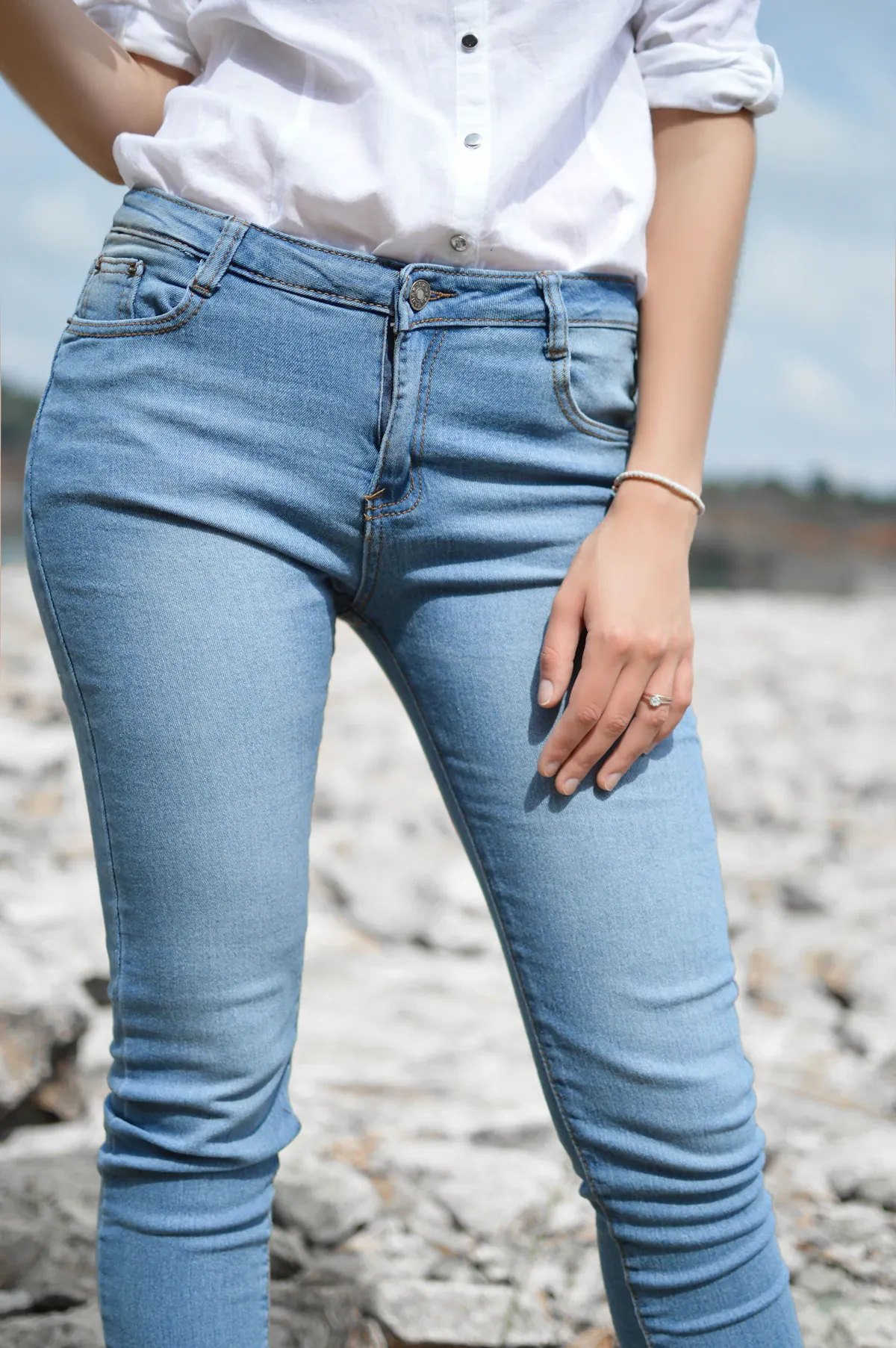
A shirt can feel like a different garment when worn loose or tucked. Compare both versions with the trousers you actually intend to use, then choose through comfort, movement and the outline you enjoy. The aim is not to follow a universal proportion rule. It is to understand what this shirt does in an ordinary outfit when you sit, reach and move through the day.
Begin with the whole outfit
Wear the trousers and underlayers you expect to use, along with the relevant shoes if they affect how the outfit feels to you. A shirt tried over a different waistband may gather or sit differently. Keep the comparison close to the actual decision instead of judging the shirt alone on a hanger.
Check the loose version first. Notice where the hem falls and whether the sides or back have a different shape. Look at the shirt from more than the front. You may enjoy the relaxed line, or find that a particular hem detail is not what you want with these trousers. Either response is a useful preference.
Try a tuck without forcing the fabric
Tuck the shirt in an ordinary way that suits the garment and waistband. Do not pull a short shirt into an arrangement that cannot remain comfortable during movement. Allow enough ease to sit and reach normally, then look at the fabric above and below the waistband.
Notice bulk through feeling as well as appearance. A soft shirt and a structured one may behave differently inside the same trousers. If the combination needs constant rearranging, that matters even when the standing mirror view looks pleasing. A photograph can show the outline but cannot tell you whether the waistband feels crowded.
Move before making the choice
Sit in an ordinary chair, stand and reach as you normally would within a permitted fitting situation. Check whether the shirt pulls, escapes or gathers in a way you dislike. Return to the loose version and repeat the movements if needed. The comparison is useful because the same actions reveal how each arrangement behaves.
Keep other practical questions separate. The shirt cuff guide considers interaction at the wrist, while the trouser rise guide addresses the seated waistband. A tuck does not solve an unrelated fit problem in either garment.
Choose the version that serves this day
A loose shirt might suit one activity while a tucked version works better for another outfit. You do not need to assign the garment one permanent way of wearing it. If a partial tuck is an option you like, test it through the same movement rather than assuming it combines every advantage of the other versions.
Keep a brief personal outfit photograph if that helps you remember the comparison, respecting privacy and fitting-room conditions. Note the trousers involved so the image remains useful. The decision is complete when you can explain which version you prefer and why, without needing a rule that everyone with your measurements should choose the same thing.
A little more to adore
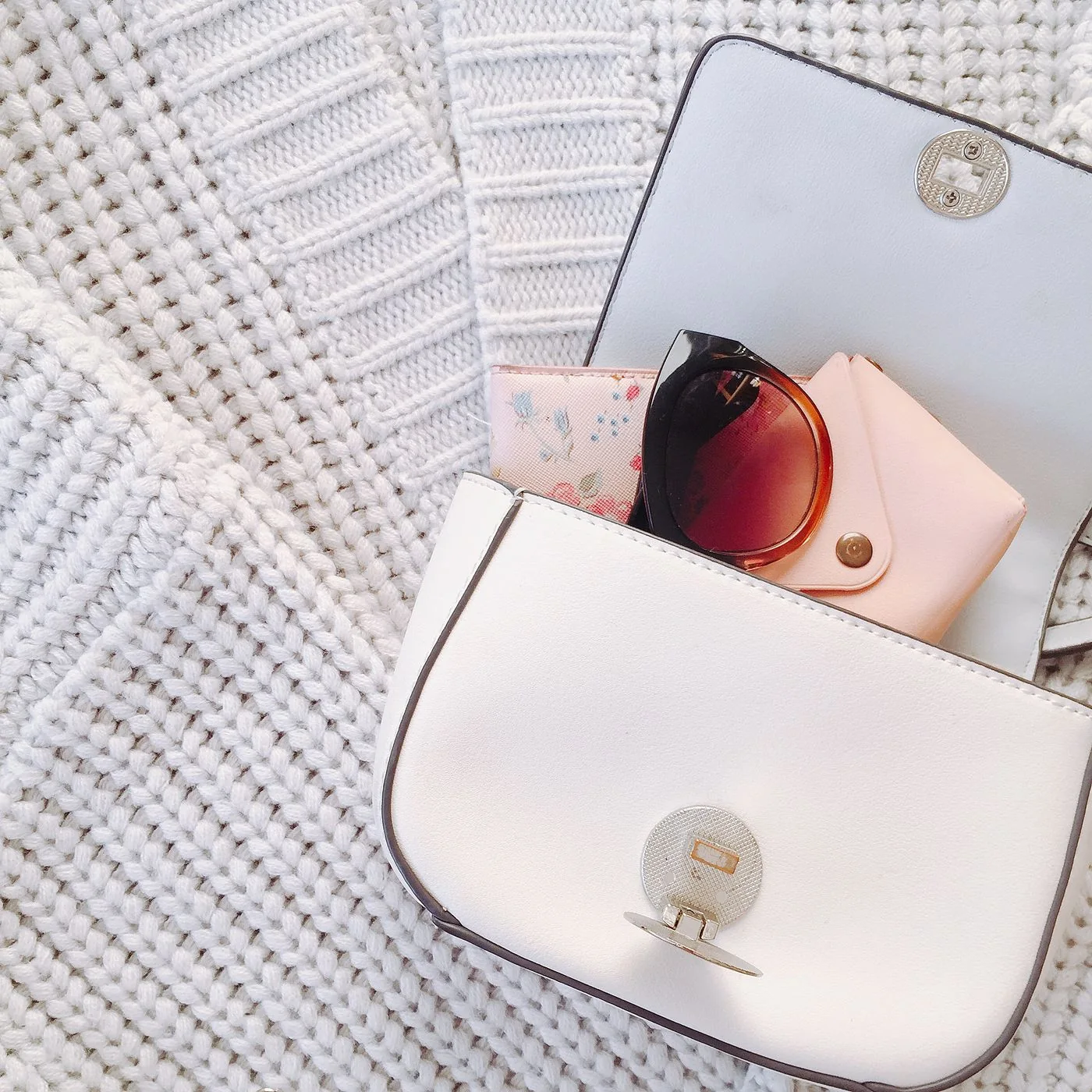
Compare Bag Hardware Colour with Existing Outfit Details
Compare the visible colour of bag hardware with existing outfit details, choosing a relationship you enjoy without treating a photograph as proof of material composition.
Read the story →
Give a Blazer Lapel and Shirt Collar Comfortable Space
Give a blazer lapel and shirt collar comfortable space through actual layers, front and back fit, normal movement, intended fastenings, and complete outfit use.
Read the story →