
Choose a Scarf Gift Through the Recipient's Material Preferences
Choose a scarf gift through recipient material preferences, complete dimensions, existing outfits, accurate product details, realistic textile care, and unpressured choice.
Shopping disclosure: retailer links in this story are ordinary links; we currently earn no commissions. If we add affiliate links in future, they will be identified. Our full disclosure.
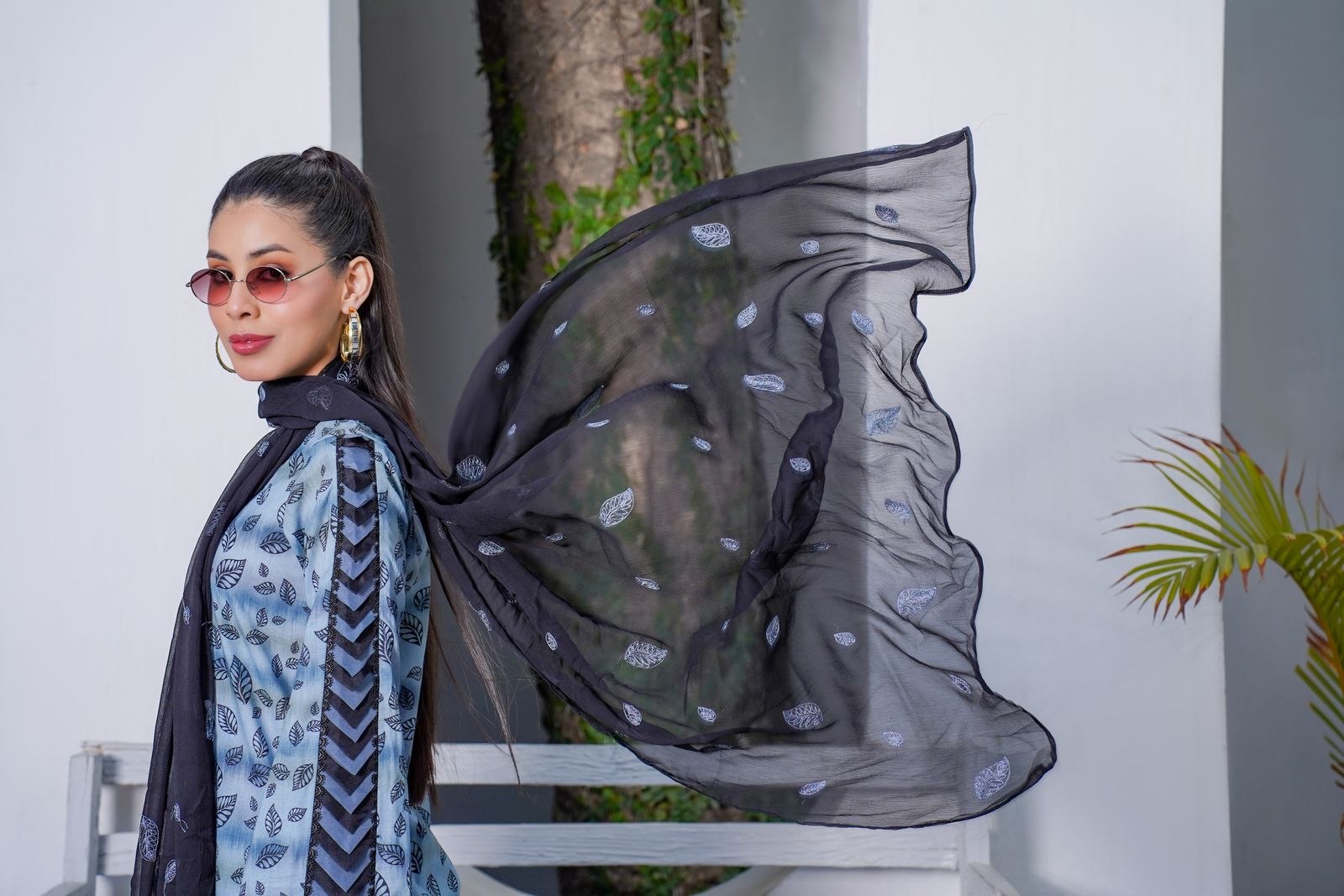
A scarf gift sits close to personal preferences about texture, warmth, size, and clothing. Begin by asking what the recipient likes wearing and what materials suit their requirements. A color that looks beautiful to you may still belong to a scarf they find uncomfortable or difficult to care for.
Start with the person’s existing choices
Notice a real preferred scarf or ask about the role they would like a new one to fill. A lightweight accessory, a substantial outdoor layer, and a particular occasion piece have different jobs. Avoid assuming a recipient wants all three because they enjoy clothes.
Check exact material information from the seller and consult the recipient about specific sensitivities or other requirements. Seek suitable professional guidance when relevant. Broad descriptions such as soft or luxurious do not establish personal suitability, and a photograph cannot communicate the complete feel of a textile.
Compare complete dimensions
Read the actual length and width, including any fringe or other relevant detail. Think about the recipient’s preferred way of wearing a scarf, without assuming they want to learn a complicated new tying method. Where a fitting or sample is available, assess the real product within the seller’s permitted use.
The scarf neckline and jacket test gives a practical starting point for the clothing relationship. Consider the coats and necklines the recipient already wears. A gift is easier to use when it belongs to an existing outfit rather than requiring several new pieces around it.
Read the care requirements
Check the exact label before purchase. Ask whether the recipient can and wants to provide that care, especially if specialist attention or particular drying conditions are required. Do not assume a scarf is simple to maintain because it is small or because another scarf in the same material family was easy to care for.
Keep the original information with the gift. Avoid removing labels or applying a treatment to improve softness unless the maker specifically permits it and the recipient has agreed. The recipient should receive an identifiable product in suitable condition, with the choice of how to use and maintain it.
Give the scarf without an outfit assignment
A short note can mention the person’s preference that guided you. Resist adding instructions about how they should dress or suggesting the scarf will fix their style. An available exchange option can be thoughtful when practical, particularly for an item whose texture and scale are difficult to judge remotely.
The thoughtful gift-budget guide can help keep the gesture focused. A suitable scarf is a complete gift on its own; it does not need matching accessories that the person has not requested.
Is a neutral color always safer? Not for someone who prefers a particular bright shade or pattern. Ask about the recipient’s actual taste and consider their existing clothes. Material suitability, usable dimensions, specific care, and personal preference are more useful guides than a universal gift-color rule.
A little more to adore
Choose a Board-Game Gift Through the Actual Players
Choose a board-game gift through actual players, the correct edition, official guidance, complete table space, realistic preparation, and the recipient’s own schedule.
Read the story →
Give a Book in an Edition the Recipient Can Enjoy
Give a book in a readable edition through the recipient’s interests, accurate title, preferred format, comfortable handling, actual reading place, and personal choice.
Read the story →