
Choose a Replacement Button for the Garment's Actual Fastening
Choose a replacement button through its actual function, size, attachment, buttonhole, suitable repair skills, safe parts storage, and the completed fastening.
Shopping disclosure: retailer links in this story are ordinary links; we currently earn no commissions. If we add affiliate links in future, they will be identified. Our full disclosure.
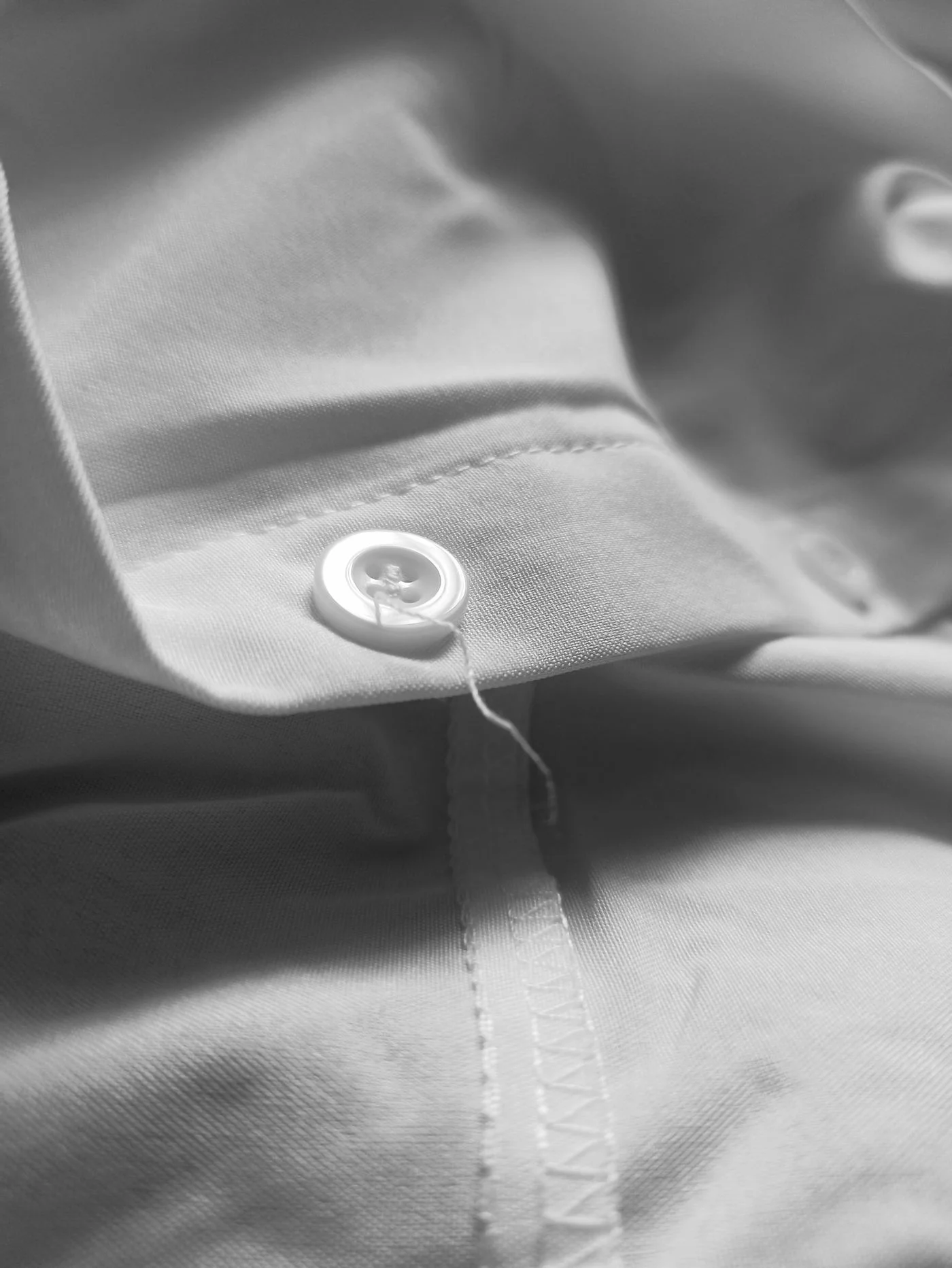
A missing button can make a useful garment feel unfinished, but replacing it requires more than finding a similar color. Check its function, size, construction, and the fabric around it. A suitable repair restores ordinary use without forcing an incompatible button through a delicate opening.
Inspect the original arrangement
Look at the remaining buttons and the place where one is missing. Check whether the button is decorative or part of the working fastening. Note how it is attached and whether the surrounding fabric needs attention before a replacement is considered.
Do not assume a button found in a drawer belongs to this garment. Compare it carefully with the working example. An extra button supplied with the original item may be useful, but the final repair still needs appropriate inspection and method.
Measure more than the diameter
Consider thickness, shape, attachment, and clearance through the buttonhole. A visually similar button can function differently. Avoid stretching the opening to accommodate an unsuitable candidate; that can turn a small repair into a fabric problem.
If the garment has a particular construction or value, ask a competent repair professional for advice. Bring the garment rather than relying on a remembered measurement. The surrounding fabric and intended use can affect the recommendation.
Decide who should make the repair
Use your own skills honestly. A familiar straightforward task may be suitable at home with appropriate instructions and tools. An unfamiliar shank, delicate fabric, or damaged buttonhole may need professional work.
Check the proposed method, materials, cost, and expected appearance before authorizing a repair. A perfect color match may not be available. Discuss whether a suitable contrasting replacement or a coordinated change to several buttons would serve the garment better.
Keep small parts safely organized
Store buttons, needles, and other tools according to their requirements and household circumstances. Small or sharp items should not remain loose on a sofa or bedside surface. A temporary project needs a clear safe closing routine.
Keep a note of the garment and task with any appropriate spare parts. Avoid an expanding mixed bag of unknown buttons that requires the same investigation every time. Clear identification is more useful than owning a large quantity.
Test the completed fastening
Inspect the work and try the garment through ordinary movement. Fasten and unfasten it gently as intended. Check that the repair functions without pulling the fabric or causing discomfort.
Follow the garment's care instructions afterward. If the repair does not behave as expected, address the issue rather than repeatedly forcing the fastening. A useful repair should return the piece to real comfortable wear.
Must the button match exactly? Consider function and a result you enjoy. Can a larger button work? Assess the opening and construction. Should I change all the buttons? Compare that option only when it solves a wanted problem.
Our cardigan guide considers a garment that often uses buttons. The thoughtful wardrobe fit guide keeps the wider decision focused on use.
A little more to adore

How to Choose a Cotton Tee You Will Actually Repeat
How to Choose a Cotton Tee You Will Actually Repeat. Practical fit checks, outfit decisions and buying advice for everyday life.
Read the story →
An Everyday Cardigan That Works With Your Existing Tops
An Everyday Cardigan That Works With Your Existing Tops. Practical fit checks, outfit decisions and buying advice for everyday life.
Read the story →