
Choose a Notebook Binding Through the Way You Write
Choose a notebook binding through your actual writing task, paper and tool fit, comfortable page access, complete carrying dimensions, privacy, and a useful daily return.
Shopping disclosure: retailer links in this story are ordinary links; we currently earn no commissions. If we add affiliate links in future, they will be identified. Our full disclosure.
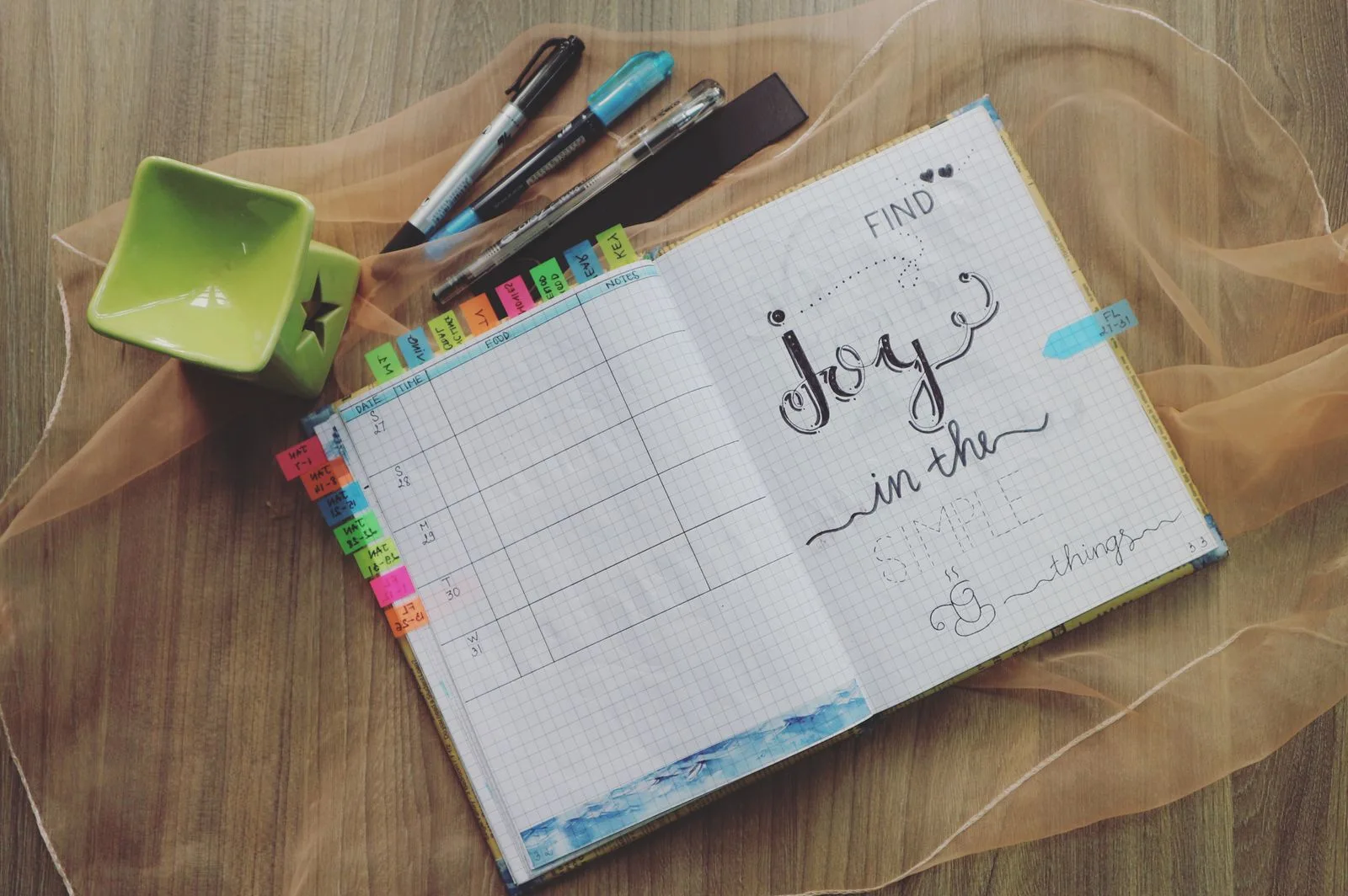
A notebook binding becomes noticeable when you actually write. The page may resist staying where you need it, the spine may occupy hand space, or the whole book may be awkward on the surface you use. Choose through a familiar writing task rather than the appearance of an unused cover.
Name the page’s job
Decide whether the notebook is for short lists, longer notes, sketching, or a particular recurring task. Consider whether entries need to remain together and how you will find them later. A notebook designed around daily appointments may be inconvenient when you mainly need open space for unrelated ideas.
Use your normal writing tool where a sample is available and permitted. Check actual paper information and the way marks look on the page. Do not infer compatibility from thickness or color alone. If the tool and paper relationship matters, ask the seller for precise guidance rather than assuming all notebooks behave similarly.
Check your normal writing position
Consider the desk, kitchen table, lap, or other appropriate surface where you ordinarily write. Look at how the binding occupies that space and whether the notebook can be used as designed. Avoid forcing a spine flat if its construction does not permit that movement.
Include your writing hand and the part of the page you use most. A binding can feel different near the beginning, middle, and end of the notebook. If a suitable sample is available, compare those positions without damaging the product. The choice should serve actual writing rather than a staged open-page photograph.
Include finding and carrying notes
Check the cover, closure, and complete dimensions against the bag or shelf you intend to use. A notebook that is comfortable on a large desk may be inconvenient to carry every day. The practical tote-bag guide can help place the notebook within a representative set of belongings.
Think about the information you will record. Keep personal or sensitive material appropriately managed and choose a suitable place for the notebook when it is not in use. A visible cover label can be useful, but it should not disclose details you would prefer to keep private.
Finish one existing notebook first
Review what your current notebook already does well. If its only problem is that unfinished tasks are scattered, a new binding may not resolve that. Try a simple page index or clear current-task marker when appropriate before buying another book that duplicates the same unfinished notes.
The close-the-desk notebook guide can help define an end-of-day return. Keep one recognizable place for the active notebook, with the next useful page easy to find. The system can remain modest and personal rather than becoming a second planning project.
Is a lay-flat notebook always best? It depends on the actual construction and your writing habits. Check the maker’s description and permitted use, then compare the notebook with your real surface and task. A useful binding is one you can work with comfortably throughout the book.
A little more to adore

Give Bedside Glasses a Suitable Case and a Clear Place
Give bedside glasses an appropriate case, specific care, stable clear placement, comfortable access, separate belongings, and a complete morning handover.
Read the story →
Close the Desk Notebook with a Clear Next Step
Close a desk notebook with appropriate privacy, one precise next step, a suitable page marker, clear loose-paper routes, safe tool storage, and an easy restart.
Read the story →