
Choose a Necklace Through Everyday Clasp Use
Choose a necklace through everyday clasp use, exact material requirements, comfortable length, actual necklines, intended layers, suitable storage, and specific care.
Shopping disclosure: retailer links in this story are ordinary links; we currently earn no commissions. If we add affiliate links in future, they will be identified. Our full disclosure.
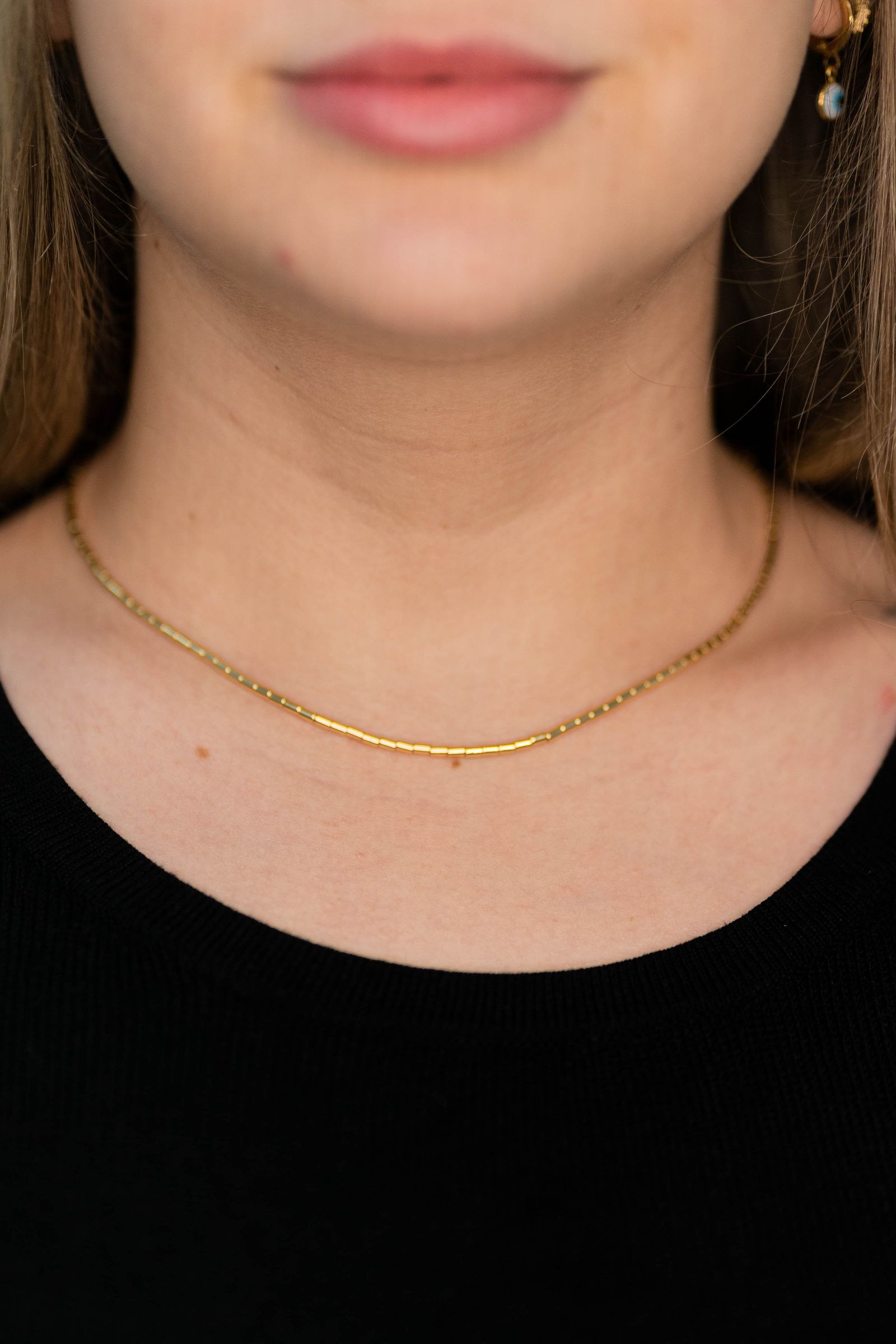
A necklace can suit your style yet remain unworn because its clasp is difficult to manage. Include fastening in the choice from the start. The length, material, pendant, storage, and care all matter, but the everyday act of putting it on is what connects the piece to an ordinary morning.
Define the role before choosing the detail
Decide whether the necklace is for regular wear, occasional dressing, or a gift. Think about the necklines you actually own and the amount of visible jewelry you enjoy. Compare complete product dimensions instead of judging scale through a close-up photograph that provides little information about the wearer or the item.
Check the exact material information with the seller. If you have specific sensitivities or other requirements, seek suitable professional guidance and accurate product details. Do not infer suitability from a general word such as delicate, premium, or natural. Keep the information that applies to the actual piece you choose.
Include fastening in the fitting
Where a fitting is available, use the clasp in a way the seller permits. Notice whether you can identify its parts and manage it comfortably. If someone would normally help you, consider whether that arrangement is realistic on the occasions you intend to wear the necklace.
Look at how the clasp sits when the necklace is worn. Check whether the pendant returns to a position you like after ordinary movement. Do not pull on the chain or improvise stress tests. Ask the seller about construction and appropriate use if the fastening or connection looks unclear.
Test the complete clothing relationship
Try the necklace with one familiar neckline. A pendant may rest differently over a shirt than against a bare neckline, and a clasp may interact with a collar. The shirt-cuffs bag-and-watch guide uses a similar approach to small accessories: judge the actual combination rather than each object in isolation.
Add any scarf or coat you expect to wear. If the pieces catch or compete for the same space, you can change the combination instead of forcing everything into one outfit. The scarf neckline and jacket test can help you think through those overlapping edges.
Plan the care and return
Follow the exact care instructions, including any guidance about moisture, products, storage, or removal. Do not assume that advice for one metal, finish, or stone applies to another. Keep the necklace in an identifiable suitable place so it is not tangled with unrelated objects when you next need it.
Can I replace a difficult clasp? Ask a qualified jewelry professional about the actual piece, its construction, and any implications for care or warranty. A change may be possible, but treat it as a specific decision with accurate information. For a new purchase, comfortable fastening can be part of the selection rather than a problem deferred until afterward.
A little more to adore

How to Choose a Cotton Tee You Will Actually Repeat
How to Choose a Cotton Tee You Will Actually Repeat. Practical fit checks, outfit decisions and buying advice for everyday life.
Read the story →
Read a Dress's Care Before Choosing the Occasion
Read a dress’s care before choosing an occasion, checking complete construction, cleaning requirements, seated comfort, appropriate transport, storage, and realistic effort.
Read the story →