
Choose a Makeup Organizer Through Current Suitable Products
Choose a makeup organizer through suitable current products, retained labels, complete dimensions, appropriate storage, tool care, and a manageable ready-product return.
Shopping disclosure: retailer links in this story are ordinary links; we currently earn no commissions. If we add affiliate links in future, they will be identified. Our full disclosure.
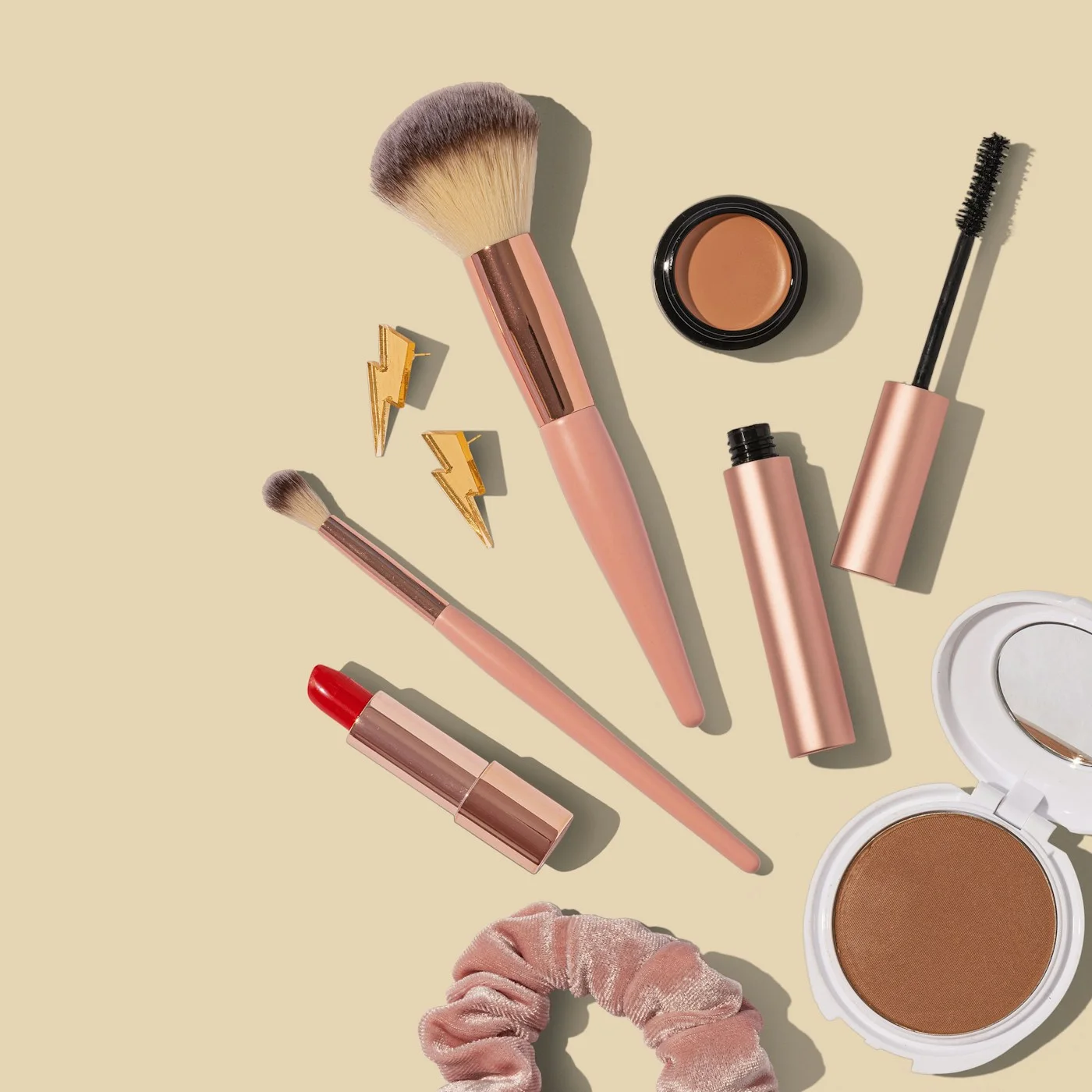
A makeup organizer should fit the suitable products you currently use, with their information intact and their care needs understood. Begin by reviewing the products rather than choosing compartments through a styled photograph. The most useful organizer makes an ordinary selection and return easy to complete.
Review before measuring
Follow each product’s guidance about use, storage, and when it should no longer be used. Check labels and condition through reliable information, and seek appropriate professional advice if you have a concern. Do not assume that a tidy container makes an unsuitable product ready to use.
Keep original labels and necessary product information available. Avoid decanting or removing packaging simply to create matching shapes. Similar-looking containers can hide differences in identity and instructions. Decide which current appropriate products actually need the organizer before calculating space for them.
Measure complete product shapes
Include lids, pumps, brushes, and the space needed to remove an item comfortably. A bottle that fits in a compartment may not allow you to grip it or operate its closure. Check the organizer’s dimensions and construction rather than relying on a photograph taken without scale.
The small self-care gifts guide can help keep purchases tied to a real preference. Avoid adding more products to fill attractive empty slots. A useful organizer can have spare space when the current routine does not require a larger collection.
Check the intended storage place
Follow product storage instructions and choose a household-appropriate location. Consider access by other household members and any relevant child or pet needs. Do not assume that a bathroom counter or a sunny dressing table suits every cosmetic simply because it provides a convenient display.
Read care guidance for the organizer itself. Think about removing products, cleaning suitable surfaces, completing drying where required, and returning the group. A complex arrangement of narrow compartments may be harder to maintain than it looks in an empty product image.
Keep tools and products understandable
Store tools according to their own appropriate care requirements. Follow reliable cleaning guidance and allow the complete care process before returning them to storage. Do not conceal tools needing attention among ready products just because they fit the same cup.
The Sunday home reset offers a bounded opportunity to check one small section. Keep the routine proportionate: inspect, provide appropriate care, return the ready group, and finish decisions about items no longer suitable. Avoid turning an organizer change into a purchase of replacements you have not established you need.
Does clear storage make products easier to manage? It can help visibility, but suitability also depends on the actual location, product instructions, access, and care. Choose the organizer that supports your routine rather than treating transparency or a matching color as proof that the system will work.
Planning references: FDA: Using Cosmetics Safely, AAD: How to Clean Your Makeup Brushes. Confirm current arrangements with the relevant provider.
A little more to adore

Give Bedside Glasses a Suitable Case and a Clear Place
Give bedside glasses an appropriate case, specific care, stable clear placement, comfortable access, separate belongings, and a complete morning handover.
Read the story →
Close the Desk Notebook with a Clear Next Step
Close a desk notebook with appropriate privacy, one precise next step, a suitable page marker, clear loose-paper routes, safe tool storage, and an easy restart.
Read the story →