
Check a Handbag Closure with Your Real Contents
Check a handbag closure with representative contents, complete interior dimensions, comfortable retrieval, actual outerwear, accurate material guidance, and ready storage.
Shopping disclosure: retailer links in this story are ordinary links; we currently earn no commissions. If we add affiliate links in future, they will be identified. Our full disclosure.
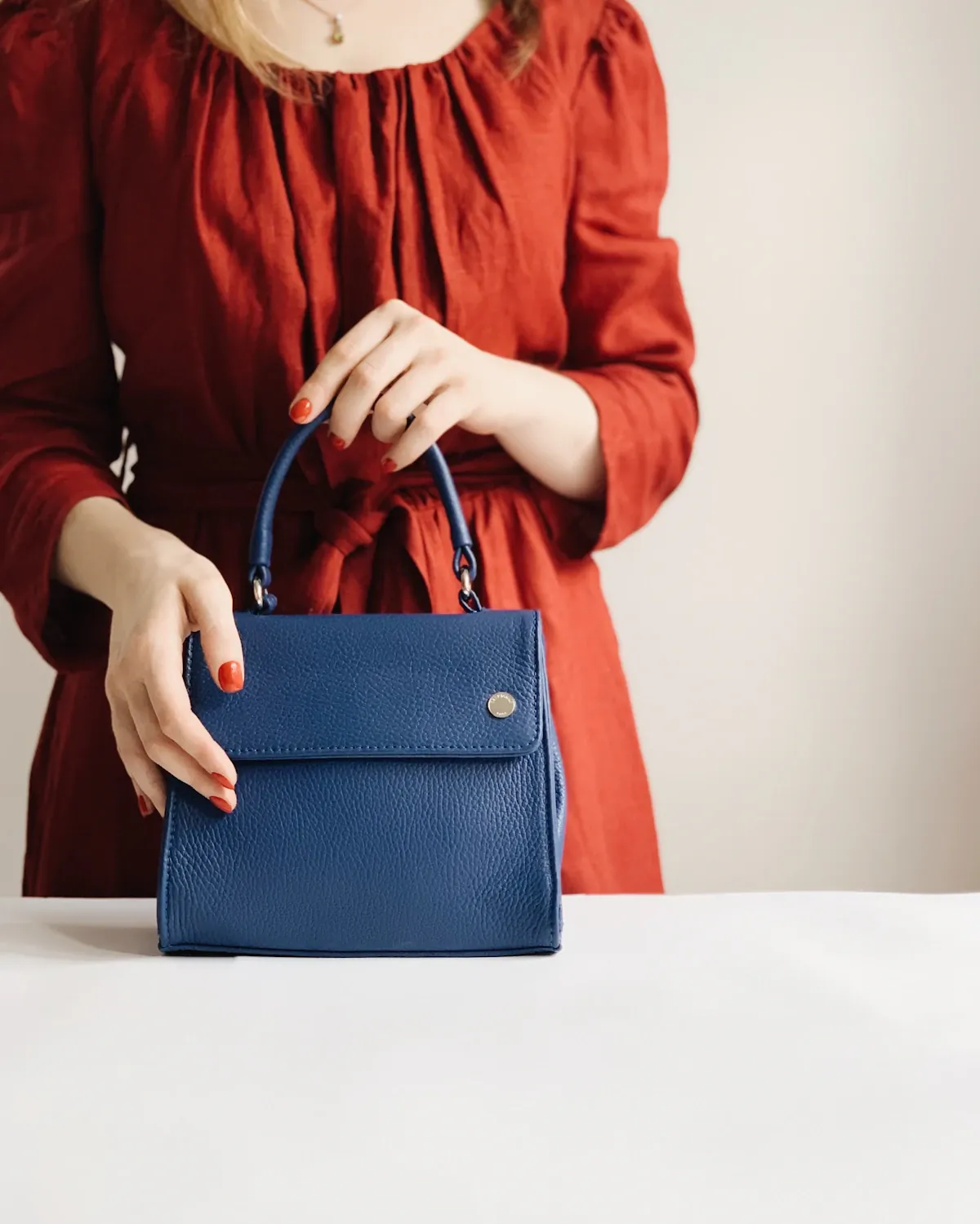
A handbag closure is easiest to assess with the things you intend to carry. An empty bag can fasten neatly even when the same closure becomes awkward around a wallet, glasses case, and keys. Begin with the daily contents and let them guide the comparison between a bag’s appearance and its usable routine.
Define the contents before the capacity
Lay out a representative modest set of belongings. Include their actual cases and packaging rather than substituting unusually slim stand-ins. Separate essentials from objects you carry only because a larger bag happens to accommodate them. This gives the new bag a clear role before you compare shapes.
Read complete dimensions and any carrying limits from the maker. External width does not necessarily describe the opening, interior divisions, or space beneath a flap. If buying online, check the available interior photographs and ask for missing information instead of assuming a structured silhouette means generous usable capacity.
Fasten the actual arrangement
Where a fitting is permitted, place representative contents inside without exceeding the bag’s design. Close it using the intended mechanism. Check whether you can find and operate the fastening comfortably, with the bag carried in its normal position.
Notice whether one object pushes against the closure or prevents a pocket from lying as designed. Reorganize sensibly, but do not create an arrangement so exact that everyday use becomes a puzzle. The practical tote-bag guide can help distinguish the role of an open carrying bag from the role you want this handbag to perform.
Include retrieval and return
Take out the object you most often need, then put it back and close the bag again. Consider a normal doorway, checkout, or seated meal without staging a rushed or risky test. The question is whether access is understandable, not whether you can perform it faster than someone else.
Try the intended outerwear and strap length. A coat sleeve or bulky cuff may change how easily you reach the fastening. The shirt-cuffs bag-and-watch guide offers a useful way to check those small interactions within a complete outfit.
Read material care and storage
Ask about the exact material, finish, lining, and hardware. Follow the maker’s care and storage instructions rather than applying a treatment because it worked on a different bag. Do not infer water resistance, security, or durability from a product’s visual style alone.
Choose an identifiable place for the ready bag and a suitable way to transfer contents when you change bags. Keep keys and other potentially catching objects managed according to the product’s design. A successful closure remains practical because the surrounding routine supports it.
Is a zip always the best closure? No single fastening suits every bag or person. Compare the actual mechanism, contents, comfortable access, product specifications, and intended setting. The best everyday choice is one you can use appropriately without overfilling the bag or repeatedly rearranging it.
A little more to adore

How to Choose a Cotton Tee You Will Actually Repeat
How to Choose a Cotton Tee You Will Actually Repeat. Practical fit checks, outfit decisions and buying advice for everyday life.
Read the story →
Read a Dress's Care Before Choosing the Occasion
Read a dress’s care before choosing an occasion, checking complete construction, cleaning requirements, seated comfort, appropriate transport, storage, and realistic effort.
Read the story →