
Match Food Containers and Lids Through Actual Use
Match food containers and lids through exact compatibility, intended food tasks, appropriate handling, complete care, usable cupboard space, and identifiable ready pairs.
Shopping disclosure: retailer links in this story are ordinary links; we currently earn no commissions. If we add affiliate links in future, they will be identified. Our full disclosure.
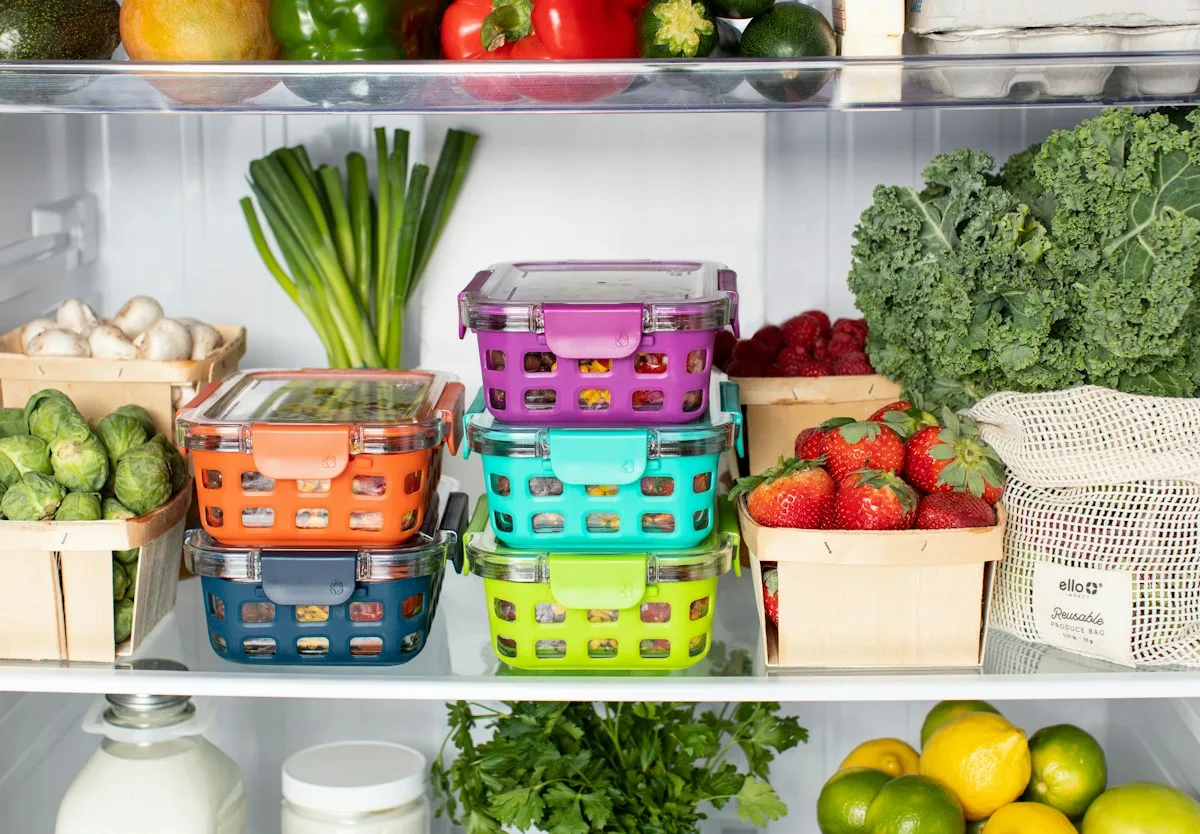
A container collection becomes useful when each ready base has the lid it needs and both suit the intended food task. An orderly stack of unmatched pieces can hide the problem until dinner is already on the counter. Make the match through the exact products and their instructions, then organize the collection around actual use.
Separate identification from appearance
Start with clean, empty equipment and inspect the maker’s markings. Two similar shapes may belong to different ranges or have different intended uses. Do not assume that a lid is suitable merely because it can be pressed onto a base. Check the manufacturer’s information about compatibility, material care, and permitted conditions.
Keep original product guidance where you can find it. If an unidentified piece has no reliable information for the task you need, avoid inventing a use from its appearance. A decorative jar, a transport box, and a freezer container can have different requirements even when they occupy similar amounts of cupboard space.
Give each pair a real job
Name the meals or ingredients you expect the container to hold. Consider usable capacity, complete filled handling, closure, and access. Follow safe food-handling guidance and the product’s own instructions for storage, reheating, cleaning, or other intended uses. The container does not remove the need to manage the food appropriately.
The Sunday home reset can provide a small window to complete one cupboard rather than emptying the whole kitchen. Match a manageable group and return suitable pieces to a ready state before beginning another shelf.
Choose a recognizable storage arrangement
Some households prefer nested bases and a separate visible lid section; others have room to store suitable pairs together. Compare the actual cupboard dimensions, the products’ storage guidance, and the way people retrieve them. Avoid a tightly packed system that requires removing everything to reach one ordinary lunch container.
Keep ready equipment distinct from items still being cleaned or dried. Follow appropriate care and allow the complete process before enclosing or stacking components. Check seals and removable parts according to the maker’s guidance, without forcing pieces apart or using a cleaning method meant for a different product.
Finish the decision about extras
If a piece is damaged or no longer suitable, follow relevant product guidance about replacement or disposal. Do not retain an unusable base simply because its lid is still attractive. Ask about exact replacement parts when that is a practical option, and record the correct range rather than ordering through an approximate photograph.
The kitchen-towel hanging route is another example of defining the complete care-and-return path. A food-container system works when selecting, using, caring for, and returning a pair are all understandable stages, not when the cupboard only looks neat immediately after sorting.
Should I buy one matching set? A set can help when its exact pieces meet real needs, but it can also add unused sizes. First identify the shortage. Buy appropriate equipment for that task, with complete instructions and compatible components, rather than replacing a working collection for visual uniformity alone.
Planning references: FDA: Safe Food Handling. Confirm current arrangements with the relevant provider.
A little more to adore

Give Bedside Glasses a Suitable Case and a Clear Place
Give bedside glasses an appropriate case, specific care, stable clear placement, comfortable access, separate belongings, and a complete morning handover.
Read the story →
Close the Desk Notebook with a Clear Next Step
Close a desk notebook with appropriate privacy, one precise next step, a suitable page marker, clear loose-paper routes, safe tool storage, and an easy restart.
Read the story →