
Receive a Duplicate Gift Without Making an Immediate Plan
Respond to a duplicate gift with ordinary thanks and a clear private next step where needed, avoiding an immediate promise about use, display or exchange.
Shopping disclosure: links within this story are ordinary retailer links. Separately identified advertisements elsewhere on the page may contain affiliate links. Our full disclosure.

A gift can look like something you already own without being an exact duplicate. Give a simple truthful response at the handover, then establish what the objects actually are before deciding what to say about the duplication. This is a small identification task, not an immediate judgment about the gift’s usefulness. A different edition, size or product reference can matter even when two packages look nearly identical.
Say only what you know at the moment
If the resemblance is uncertain, use words that keep it uncertain. An illustrative response might be: “Thank you for thinking of me. I have something similar, and I will check which version it is.” That statement acknowledges the gift without falsely declaring either that it is new to you or that you already own the exact item.
If the giver asks directly whether you have it, distinguish knowing from suspecting. Do not improvise an exact product identity in front of the group simply because the question feels urgent. An honest short answer can leave the comparison for later.
Compare the actual references privately
Look at the established product information on the gift and on the object you already own. Keep the two references separate until you have compared them. Do not use a remembered colour or the first similar image in a search as a substitute for either actual object.
For a book, for example, a similar cover may conceal a different edition or translation. For another object, a product reference may distinguish versions that share a broad appearance. These are examples of identification questions, not a claim that every product uses the same naming system or provides the same information.
Use one of three clear conclusions
Write a short private conclusion: the references establish the same item, the information establishes a relevant difference, or the identity remains unresolved. Record the point that supports the conclusion rather than simply writing “duplicate” beside the new gift.
If the references are incomplete, do not force a verdict. Ask an appropriate factual question through the relevant source when needed. A giver may know the exact version they chose, but they should not have to defend the choice before you have established what your own earlier item actually is.
Make the next conversation specific
When a further conversation is useful, explain the established comparison plainly. Ask about information you genuinely need rather than announcing an assumed exchange arrangement. Any seller condition requires the actual responsible source; identifying a duplicate does not establish what can be done with it.
The fragranced gift display guide handles the separate question of responding without promising a visible role. Keep that appreciation issue distinct from whether the new object is factually the same as the one you own.
Once identity is clear, consider the practical role through your own circumstances. The useful little-gift guide can support that later decision. The simple response has done its job when you have avoided both an invented enthusiasm and an inaccurate duplicate claim, leaving any necessary follow-up based on the real objects rather than a resemblance noticed across the room.
A little more to adore
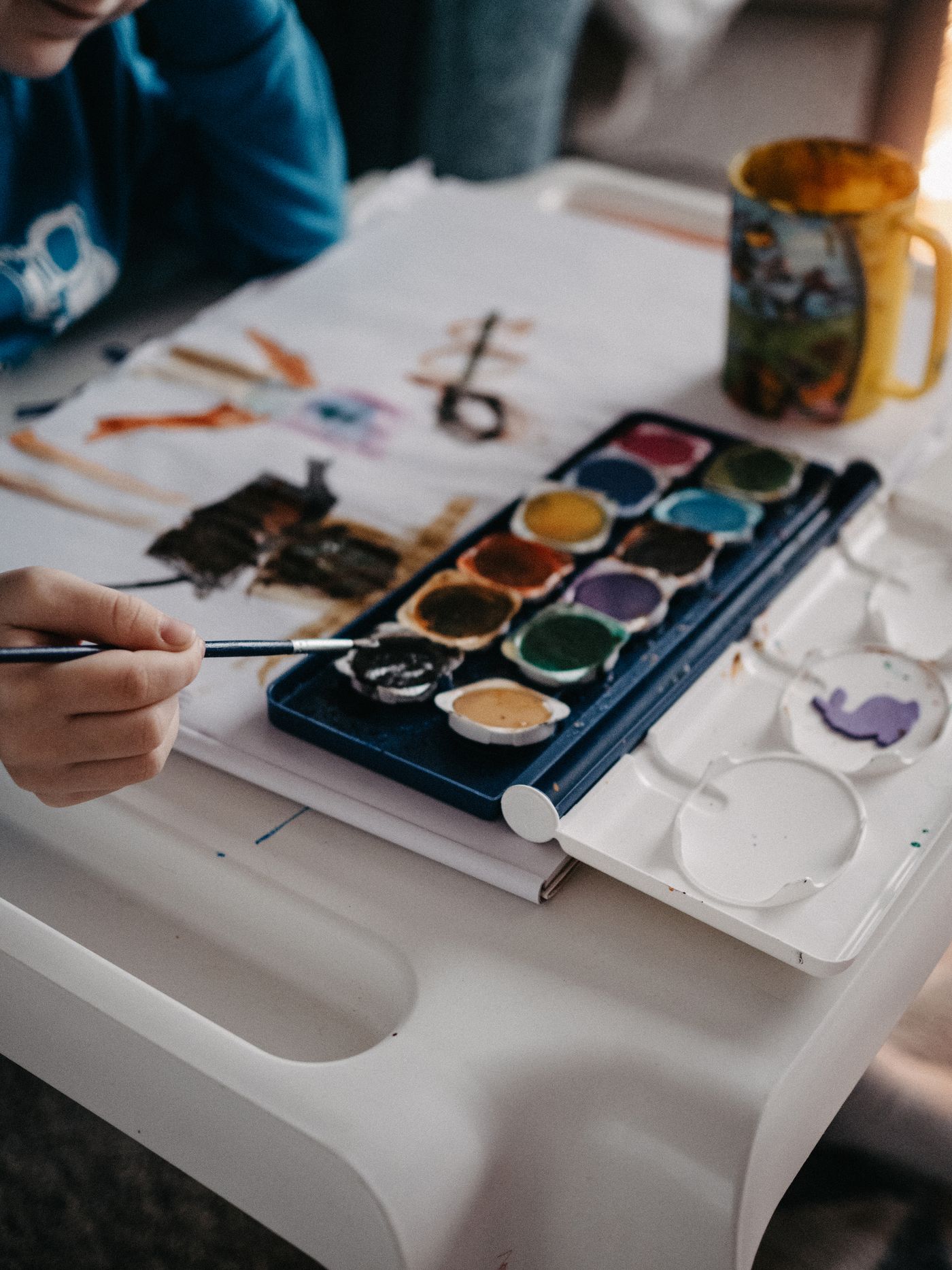
Choose an Art-Material Gift with Its Intended User
Art materials make a more useful gift when the intended user helps define the choice. Paint, paper and tools can depend on a person's preferred medium and working conditions.
Read the story →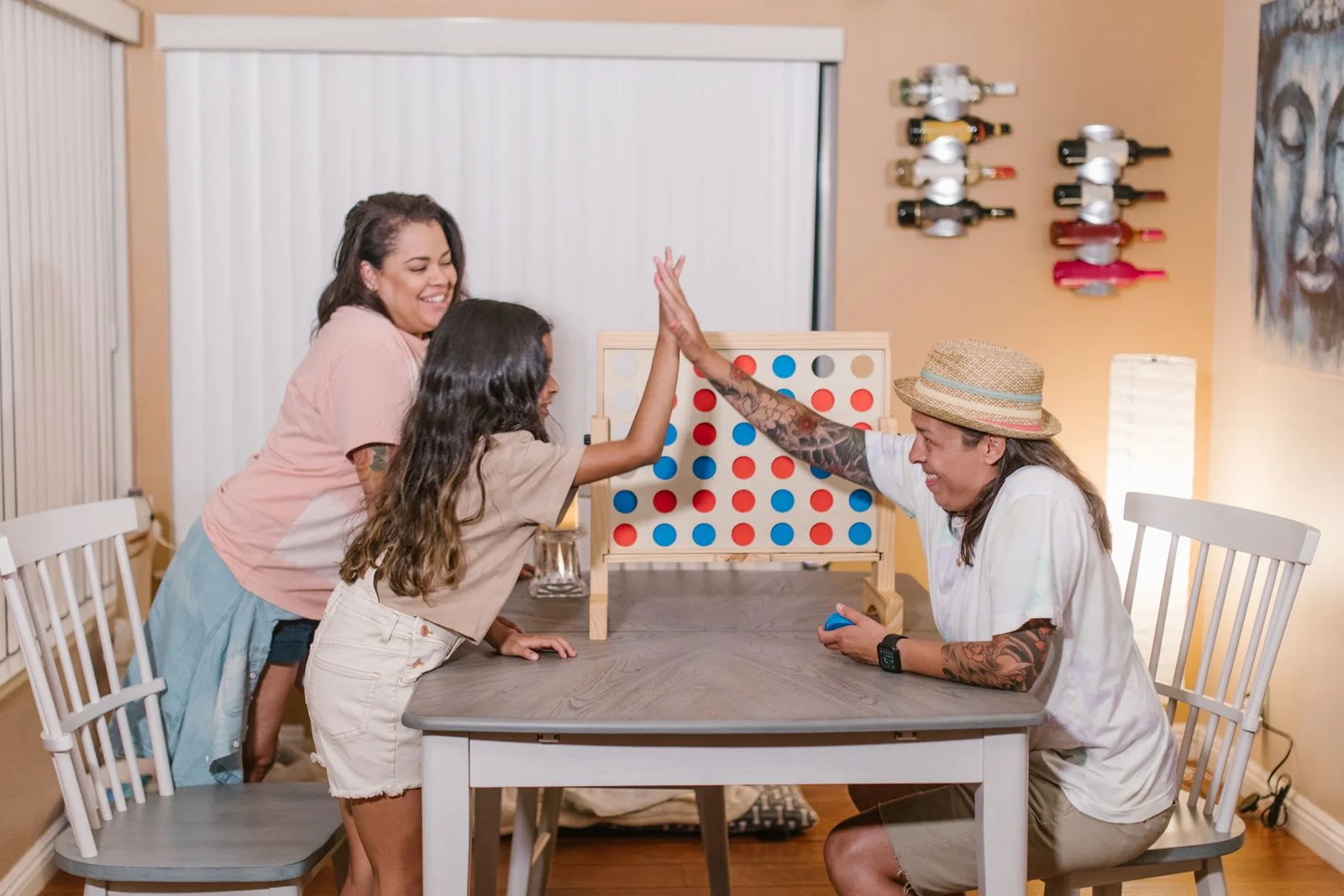
Choose a Board-Game Gift Through the Actual Players
Choose a board-game gift through actual players, the correct edition, official guidance, complete table space, realistic preparation, and the recipient’s own schedule.
Read the story →