
Keep Craft Supplies for an Identified Future Project
Review craft supplies through an identified future project and their actual product information, keeping useful materials without inventing a task for every remnant.
Shopping disclosure: retailer links in this story are ordinary links; we currently earn no commissions. If we add affiliate links in future, they will be identified. Our full disclosure.

Craft supplies are easier to keep usefully when they belong to an identified project. A remnant can be appealing without having a realistic future task, and a full container can conceal the material you actually need. Review the collection through the work you want to do, preserving product identity rather than inventing a project simply to justify every leftover piece.
Choose one real project
Name the activity you intend to begin or continue and read its appropriate instructions. Identify the materials the project actually calls for. A broad intention to make something someday does not explain which of several similar supplies deserves the limited space.
Keep curiosity separate from a commitment. You may want to explore another craft later without storing an entire speculative kit now. A note about the idea can preserve the interest while leaving the physical collection focused on a task you genuinely plan to do.
Identify the materials honestly
Keep labels and relevant use, age and care information with the supplies. Do not assign an unfamiliar material a role from its colour or texture alone. An anonymous product should remain an uncertainty until it can be appropriately identified, rather than becoming a convenient substitute in a project.
Follow the actual product instructions and suitable guidance for storage and disposal. Do not invent a universal rule that every apparently usable remnant is appropriate to keep or combine. A decorative container does not establish the condition or suitability of what it holds.
Separate complete sets from loose extras
Check whether a project needs matching components, an instruction sheet or a particular quantity. A small bag of attractive pieces may not be a complete usable set. Keep the missing element visible as a question instead of counting the collection as ready because it fills the box.
The art-material gift guide helps keep the intended user central. Do not pass uncertain supplies to another person as a gift or donation merely to transfer the sorting problem into their home.
Give useful materials a practical place
Choose appropriate storage through the actual products and the available room. Group the relevant project pieces in a way you can understand without emptying every container. Avoid compressing or altering materials to fit a box whose shape was selected before the contents were reviewed.
Keep private or personal project material distinct where necessary. Someone sharing the room should be able to identify an agreed communal supply without assuming that every accessible piece is available for use.
Review what has no identified role
Choose an appropriate next step for material you will not use, following relevant product and local guidance. Do not keep an unsuitable item solely because discarding it would acknowledge an earlier overpurchase. The useful decision is about today's collection and actual future work.
The small home reset guide can provide a modest review point. Keep the task limited to one project or container rather than turning a quiet creative interest into an exhausting complete-room reorganization.
When you next begin the project, note any genuine missing supply before buying. A useful craft collection supports making through identifiable materials and a clear purpose, leaving inspiration as an invitation rather than an obligation to keep every remnant forever.
A little more to adore
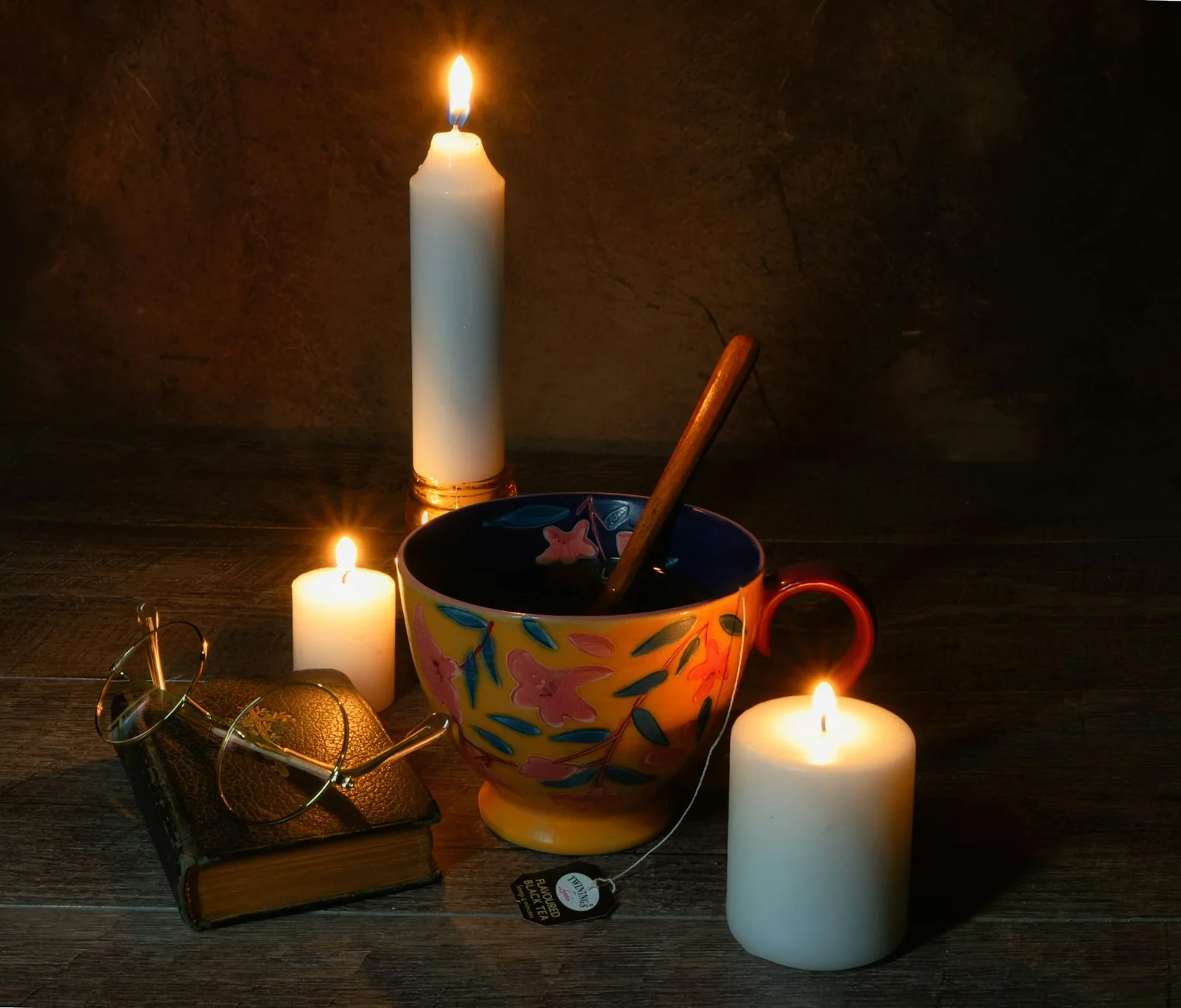
Give Bedside Glasses a Suitable Case and a Clear Place
Give bedside glasses an appropriate case, specific care, stable clear placement, comfortable access, separate belongings, and a complete morning handover.
Read the story →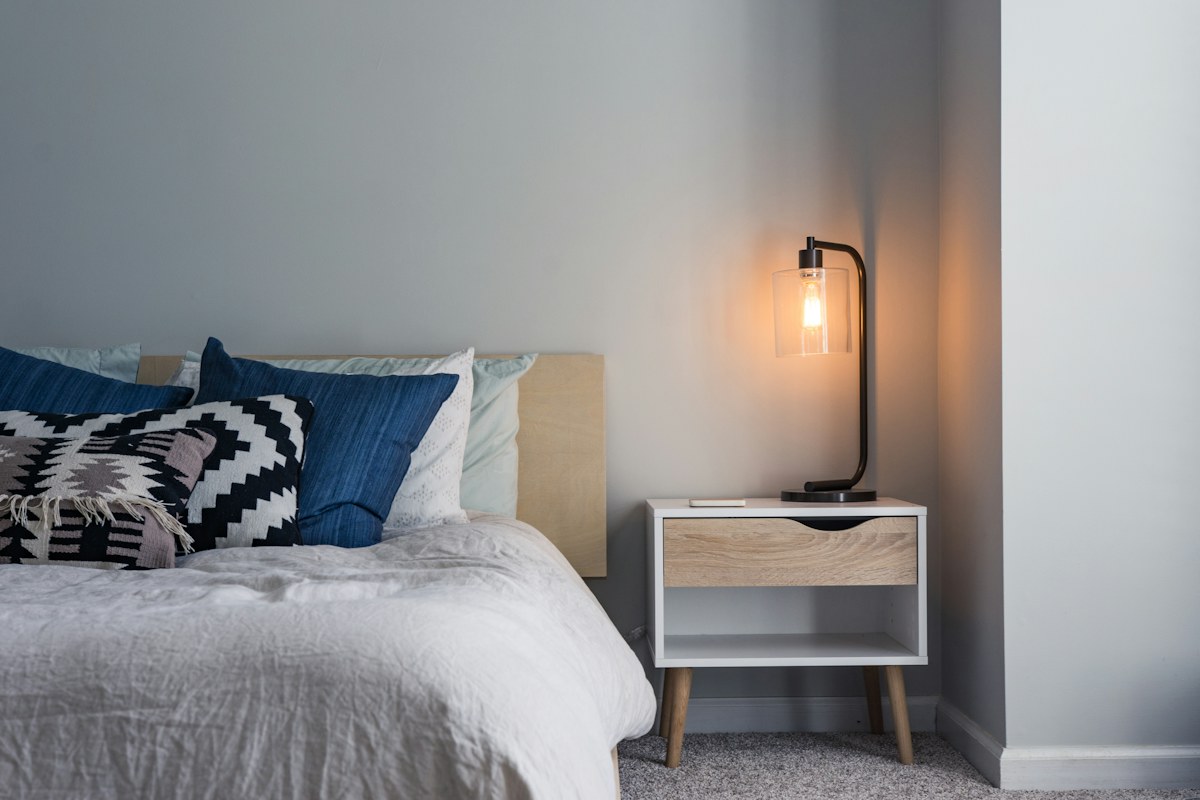
Choose a Bedside Lamp Through Switch Reach
A bedside lamp is easier to choose when its switch can be reached through the way the bed is actually used. A photograph of a lamp on a table says little about that ordinary m
Read the story →