
Let a Scarf Be the Main Pattern Above a Plain Base
Compare a patterned scarf with a plain outfit base through the visible area and intended layers, leaving the pattern’s role clear without adding another matching print.
Shopping disclosure: links within this story are ordinary retailer links. Separately identified advertisements elsewhere on the page may contain affiliate links. Our full disclosure.
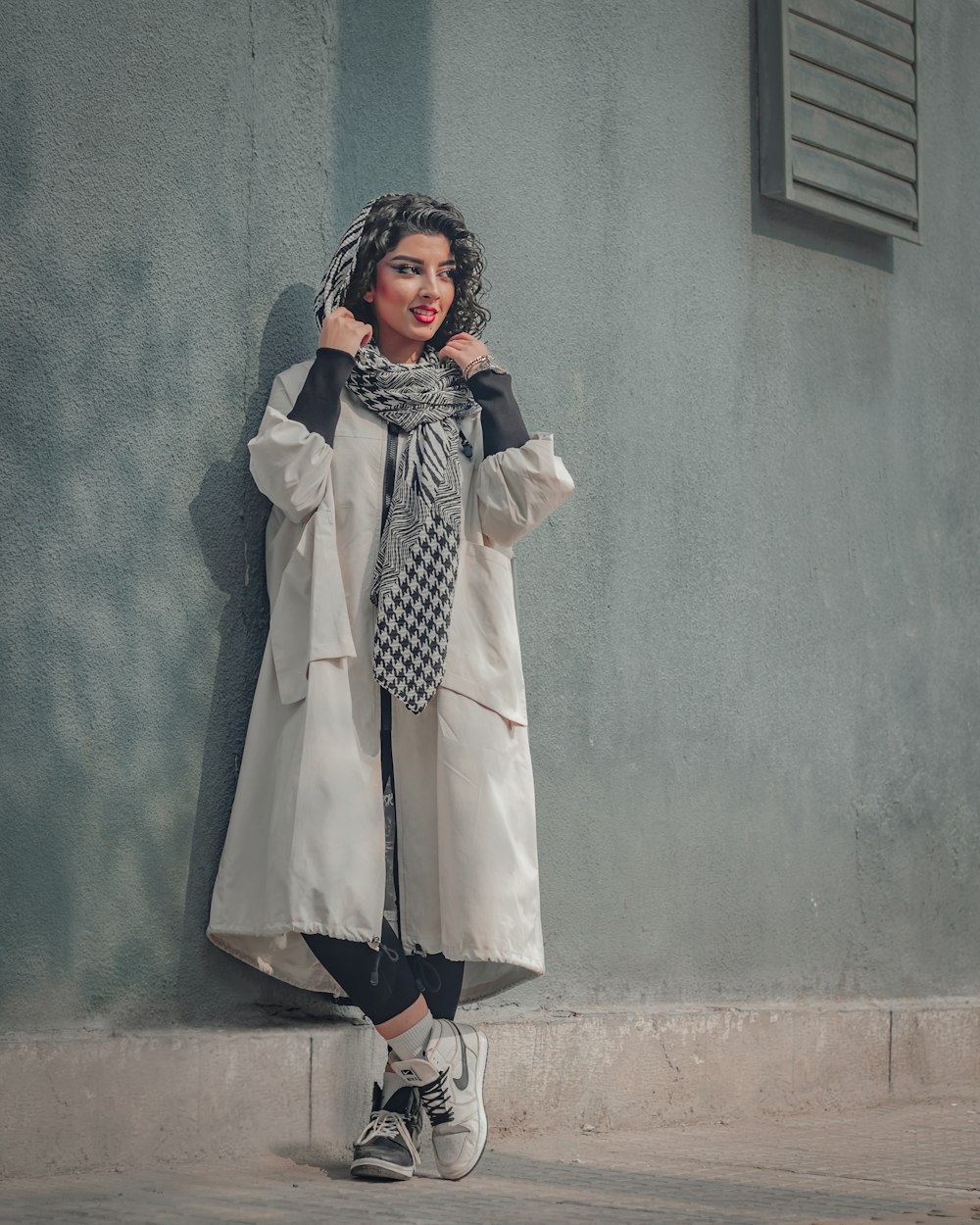
A patterned scarf can connect several plain outfits without requiring a separate matching accessory group for each one. Make a small repeat-wear page for one scarf and a few bases you already own. The task is to plan continuity across different occasions, not to find the best fold or display every part of the print. A useful page shows how the same piece can remain the principal pattern while the ordinary clothes change around it.
Choose three bases with real roles
Write down three plain combinations already connected to your week. They might be an existing trouser outfit, a dress you actually wear and another familiar group of separates. These are examples of roles to identify, not an instruction to own those particular garments.
Name the actual pieces and the occasion each serves. Leave a row empty if you do not have a third combination. The page should describe your wardrobe, rather than create a reason to buy another plain outfit so that the exercise looks complete.
Keep practical requirements separate from the visual plan. The scarf and neckline guide can help you address the actual interaction before treating a combination as available. Do not include an outfit whose appropriate scarf use remains unresolved.
Give the scarf one continuing job
Across the page, describe what you want the scarf to contribute in one sentence. It might be the main pattern connecting several quiet outfits, or a familiar decorative piece you want to use more often. Keep that purpose the same while comparing the rows.
For each base, note whether the scarf is already part of the intended outfit, an option you genuinely want to try or a combination you do not want. These statuses are more useful than filling every box with an invented successful look. A repeat-wear plan can contain a clear no.
Keep the supporting group shared where possible
Identify which existing shoes and bag already belong to each occasion. Do not add a new matching group to every row simply because the scarf has several colours. If the same appropriate supporting piece serves more than one outfit, record the repeat rather than disguising it as a different combination.
This page deliberately starts with plain bases. If you later want a second pattern, the striped-top pattern guide addresses that separate comparison. Keep it outside this first plan so you can see whether one repeated scarf already provides the variety you wanted.
Update the page from actual choices
After an occasion, record whether you chose the scarf or left it aside. Write a specific reason only if it helps the next decision: the occasion changed, you preferred the unadorned base or the combination no longer served the role. Do not invent a lesson from an outfit you never wore.
Follow the actual scarf’s handling and care information throughout its use. Review the page after a few real choices rather than repeatedly redesigning the whole wardrobe on paper. The result is a small, honest picture of where one patterned piece belongs. It may connect several plain outfits, have one clear favourite role or prove less useful than you expected. Each outcome is more informative than another proposed matching purchase.
A little more to adore

Compare Bag Hardware Colour with Existing Outfit Details
Compare the visible colour of bag hardware with existing outfit details, choosing a relationship you enjoy without treating a photograph as proof of material composition.
Read the story →
Give a Blazer Lapel and Shirt Collar Comfortable Space
Give a blazer lapel and shirt collar comfortable space through actual layers, front and back fit, normal movement, intended fastenings, and complete outfit use.
Read the story →